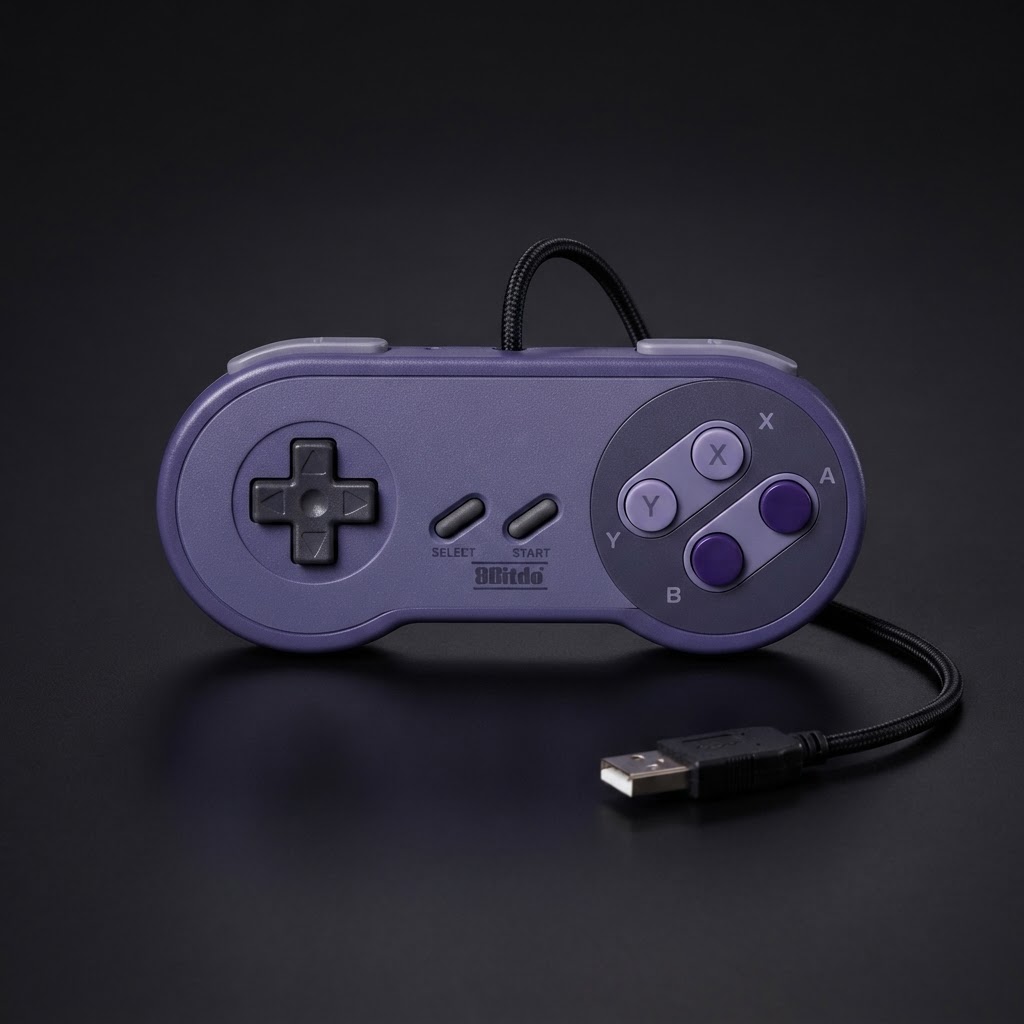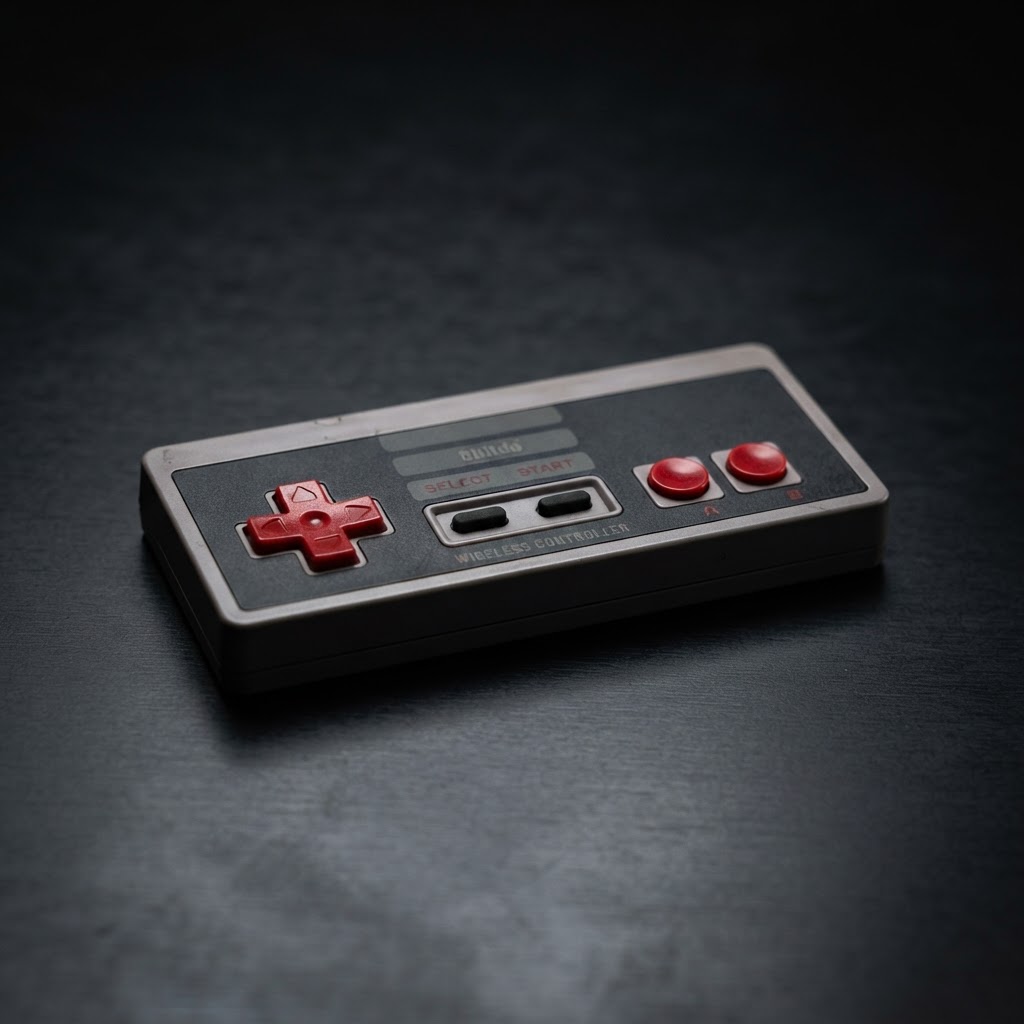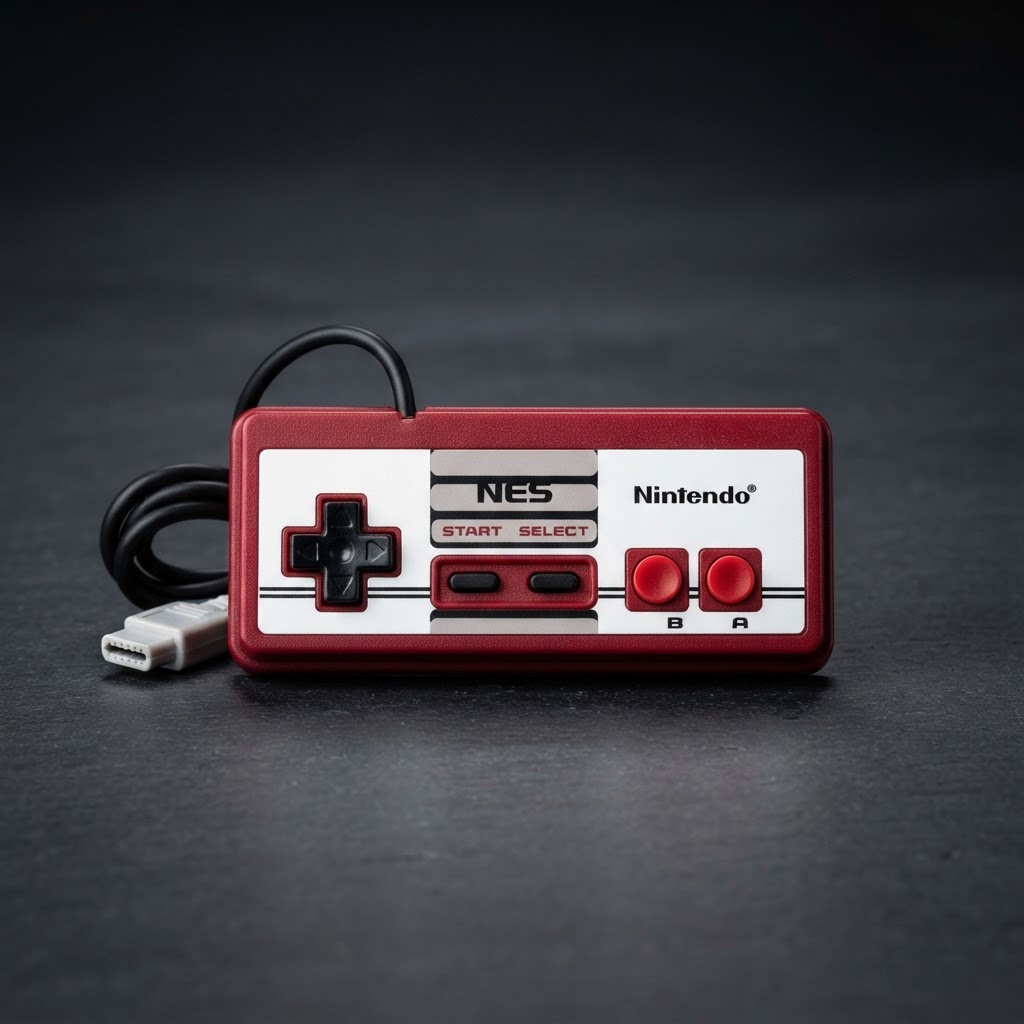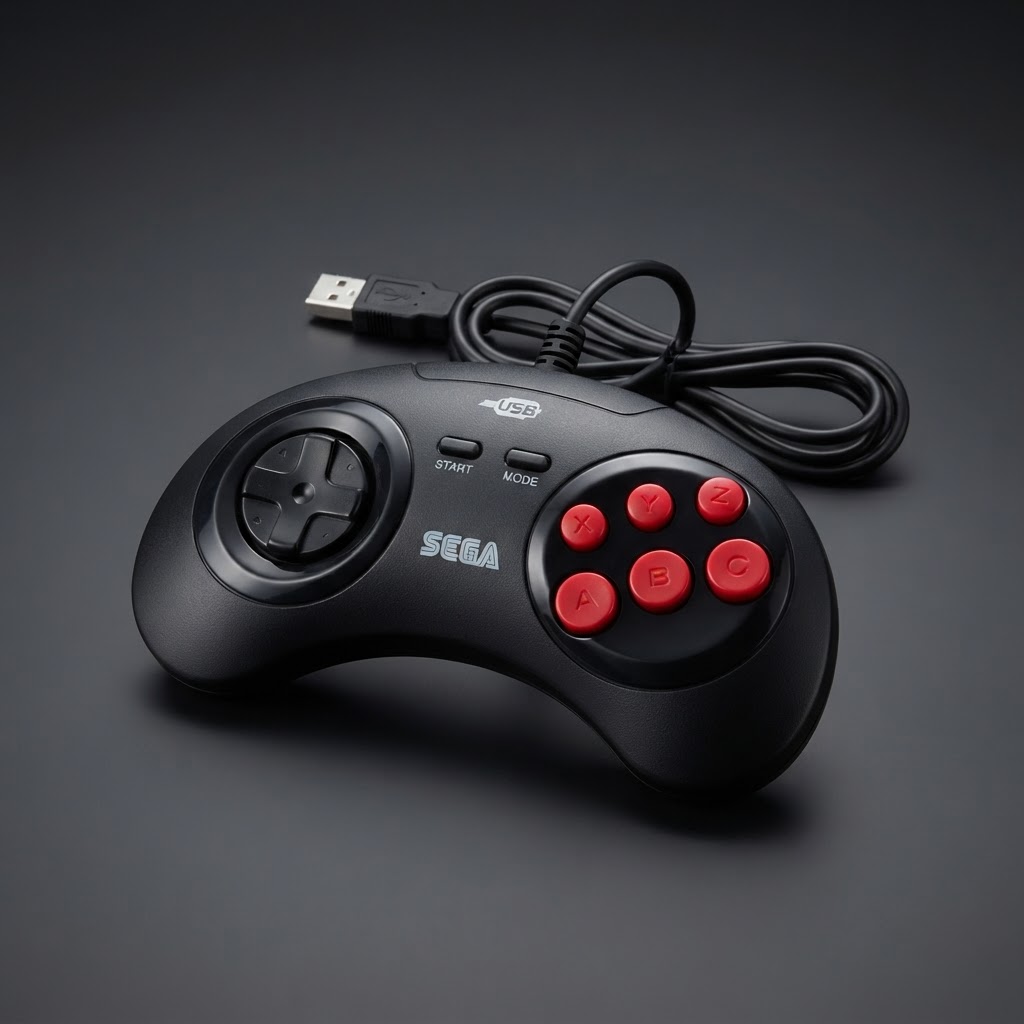
The 16-Bit Battleground: Nintendo vs. Sega
For kids growing up in the early 90s, the "Console Wars" were as heated as any sports rivalry. You were either a Nintendo loyalist, armed with the SNES and the promise of Mario and Zelda, or a Sega Genesis devotee, living for the "blast processing" speed of Sonic the Hedgehog.
But as we look back, the hardware—the grey plastic of the Super Nintendo and the sleek, black curves of the Sega Genesis—represented more than just corporate competition. They represented an era of build quality that modern tech often lacks. These consoles weren't designed to be disposable; they were built to survive spilled soda, intense button-mashing, and decades of storage.
The Sustainable Path: Why Restore Instead of Replace?
In an age of subscription services and cloud gaming, there is a profound, grounding satisfaction in plugging a real cartridge into a real console. However, age takes its toll. Capacitors leak, controllers lose their spring, and oxidation builds up on pin connectors.
Rather than tossing a "broken" console into a landfill, modern retro enthusiasts are turning to preservation. Restoring a vintage system is an act of defiance against planned obsolescence. If your SNES is struggling to read games, the issue is often just a dirty connector or a loose solder joint. Investing in a high-quality Retro Console Restoration Tool Kit is the first step toward becoming a steward of gaming history. With the right security bits and cleaning supplies, you can bring a neglected system back to full health, keeping it out of the trash and on your gaming shelf for another thirty years.
Managing Your Museum: Displaying with Purpose
Once you’ve successfully restored your vintage gear, the challenge becomes integration. Who wants to hide their history in a drawer? Many collectors are now curating their own home "museums." By utilizing an RGB LED Console Display Stand, you can highlight the aesthetic beauty of your restored consoles, turning them into the centerpiece of your office or living room.
Restoration isn't just about internal components; it’s about the display. When you treat your hardware with respect, it transforms from "old junk" into a functioning piece of interactive art.
The Practical Side of Preservation
While preserving the original hardware is the gold standard, we understand that living with multiple consoles can be a cable-management nightmare. Many enthusiasts find that using a Multi-Console AV Switch Box is the best way to keep your setup clean and sustainable. By centralizing your connections, you reduce wear and tear on the ports of your consoles, as you’re no longer constantly plugging and unplugging cables. It keeps the "console war" ceasefire peaceful and organized.
Celebrating the Legacy
The rivalry between Nintendo and Sega gave us some of the greatest titles in history. The beauty of these games is that they don't lose their luster. Whether you are replaying Super Metroid or Streets of Rage 2, you are experiencing the same design genius that defined the medium.
If you want to keep the spirit of the era alive even when you’re away from the screen, consider adding some retro flair to your workspace. Whether you're wearing a Retro Gaming T-Shirt to show your allegiance or relaxing with a Retro Gaming Puzzle Set during a weekend recharge, there are plenty of ways to keep the culture of the 90s thriving.
Conclusion: Join the Preservation Movement
The "Console Wars" may have ended decades ago, but the mission to preserve the consoles that shaped our childhoods is just getting started. Every console you repair and every system you properly display is a victory for gaming history.
Don't let your collection fade away. Grab a Retro Console Restoration Tool Kit today and start the rewarding journey of breathing new life into the legends of the 16-bit era.