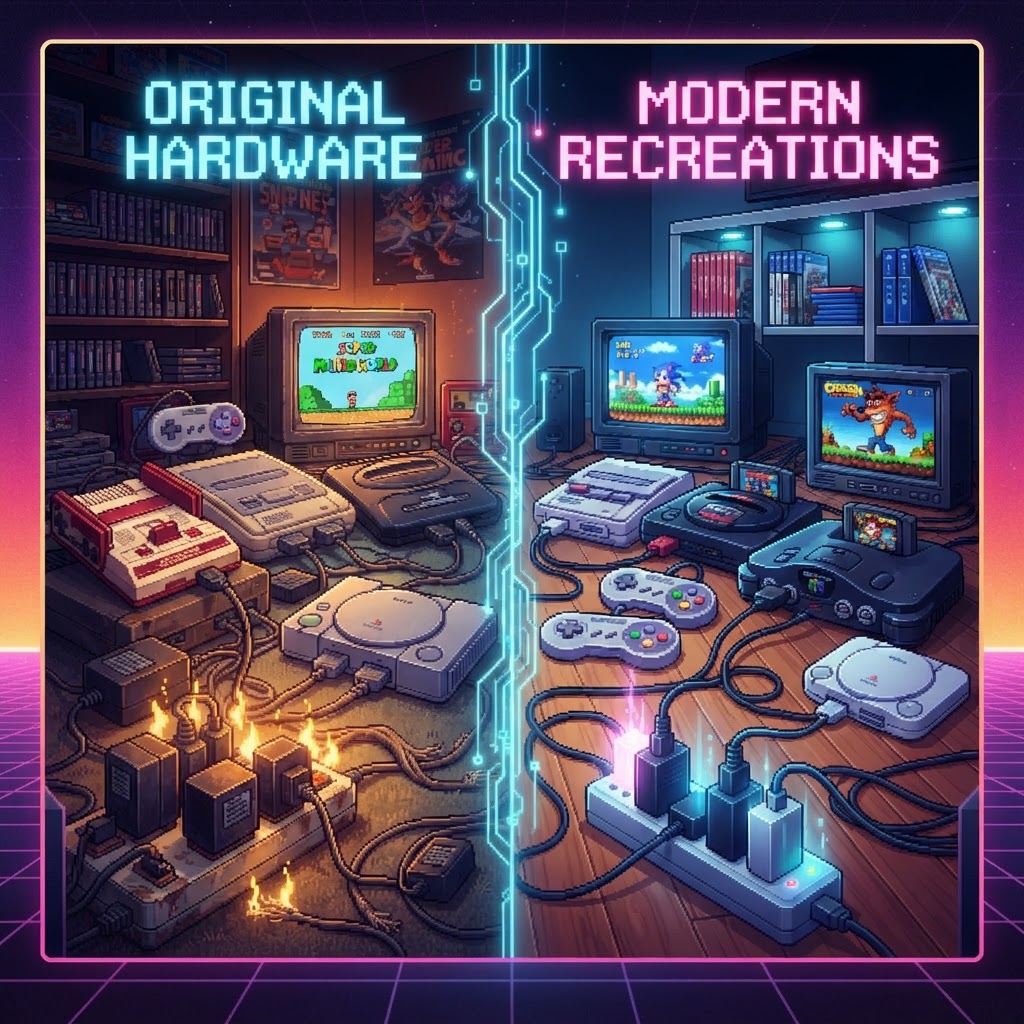
Why Your Power Supply Decision Matters More Than You Think
Ask any seasoned retro collector what single component has destroyed the most vintage hardware over the decades, and the answer is almost always the same: the power supply. Capacitors age, voltage regulators drift, and what once delivered clean, stable power can become a silent killer lurking inside an otherwise pristine Sega Genesis or NES.
Yet the power supply conversation is oddly absent from most retro gaming guides. Everyone talks about HDMI upscalers, controller alternatives, and display options — and for good reason, since pairing your console with a Multi-Console RF to HDMI Adapter is a genuine game-changer for picture quality. But if your PSU is silently pumping out unstable voltage, none of that matters.
This guide cuts through the noise with a direct comparison: original vintage power supplies versus modern recreations. We'll tell you what to test, what to avoid, and what to buy.
Understanding What Vintage Consoles Actually Need
Before choosing a power supply, you need to understand what your console demands. Voltage and current requirements vary significantly:
| Console | Voltage | Current Draw | |---|---|---| | NES | 9V DC | ~1.3A | | SNES (NA) | 10V AC | ~850mA | | Sega Genesis (Model 1) | 10V AC | ~1.2A | | Sega Genesis (Model 2) | 9V DC | ~1.3A | | Atari 2600 | 9V DC | ~500mA | | Game Boy Advance | 3V DC | ~300mA |
The most dangerous misconception is that "close enough" works. It doesn't. Feeding a console higher voltage than rated — even briefly — can burn out voltage regulators and damage chips that haven't been manufactured in thirty years. Underpowering causes resets, graphical glitches, and corrupted saves.
Original Vintage Power Supplies: The Case For and Against
The Appeal of Going Original
There's a romantic logic to using original hardware. The PSU that shipped with your Super Nintendo was engineered specifically for it. The tolerances, the connector pinout, the cable length — all designed as a complete system.
For certain purists and collectors, keeping everything period-correct is non-negotiable. An original PSU also holds collector value in its own right, particularly for boxed complete (CIB) sets.
The Serious Risks You Cannot Ignore
Here's the hard truth: most original power supplies from the 1980s and 1990s are now 30–40 years old. The electrolytic capacitors inside have a lifespan of roughly 20–25 years under normal use. Many of these units are operating on borrowed time.
The most notorious example is the original NES power supply, which is linear rather than switching — meaning it runs hot, ages poorly, and when it fails, it often fails catastrophically with a voltage spike rather than simply shutting off. Countless NES motherboards have been lost to this exact failure mode.
The original Sega Genesis Model 1 PSU is another repeat offender. Its AC output creates unique risks if mistakenly used on a Model 2 unit expecting DC — a common and expensive mistake for newcomers.
Verdict on originals: Unless you've had the unit recapped and tested recently, or you're sourcing from a trusted seller with documentation, using an untested original PSU is genuinely risky.
Modern Replacement Power Supplies: What's Available and What's Good
Switching PSUs vs Linear PSUs
Modern third-party power supplies for retro consoles almost universally use switching regulator technology. This is actually a significant upgrade over the linear designs of the 1980s — switching PSUs:
- Run cooler
- Are more energy efficient
- Deliver tighter voltage regulation
- Include overvoltage and short-circuit protection
Brands like Retro-Bit, Hyperkin, and specialist makers like MyLifeInGaming have produced well-regarded replacement units for the NES, SNES, Genesis, and more. The aftermarket has matured considerably.
What to Look for in a Modern Replacement
When shopping for a modern retro PSU, verify these specs before buying:
- Correct voltage and polarity — center-positive vs center-negative matters
- Adequate current rating — always meet or slightly exceed the original spec
- Regulation quality — cheap unregulated PSUs can still damage consoles
- Protection features — overvoltage cutoff is essential
- Connector compatibility — barrel jack sizes vary (5.5mm/2.1mm is common but not universal)
If Your Console Needs a Repair First
Sometimes a failing PSU has already caused damage. If you suspect component damage on your board, a Retro Console Repair Soldering Kit is worth having on hand to replace damaged capacitors or voltage regulators before committing to a new power supply. Pairing a fresh PSU with a freshly recapped board is the gold standard approach.
Modern Recreation vs Original: The Definitive Verdict
| Factor | Original PSU | Modern Recreation | |---|---|---| | Age-related risk | High | Low | | Voltage stability | Unpredictable (aged) | Consistent | | Overvoltage protection | None | Usually included | | Collector authenticity | Perfect | Not original | | Long-term reliability | Poor | Good | | Cost | Variable (eBay lottery) | Predictable |
For daily players: Modern replacements win clearly. The safety advantages are not trivial — we're talking about protecting hardware you cannot easily replace.
For display/CIB collectors: Keep your original PSU stored safely and use a modern replacement for actual gameplay. Never power on unverified original PSUs without testing first.
Building a Safe, Complete Retro Gaming Setup
A great power supply is just one part of a reliable vintage gaming station. Once you've sorted your PSU situation, consider these complementary upgrades:
- Display: Pair your console with a Portable CRT-Style Retro Monitor for that authentic scanline aesthetic without hunting down a bulky tube television.
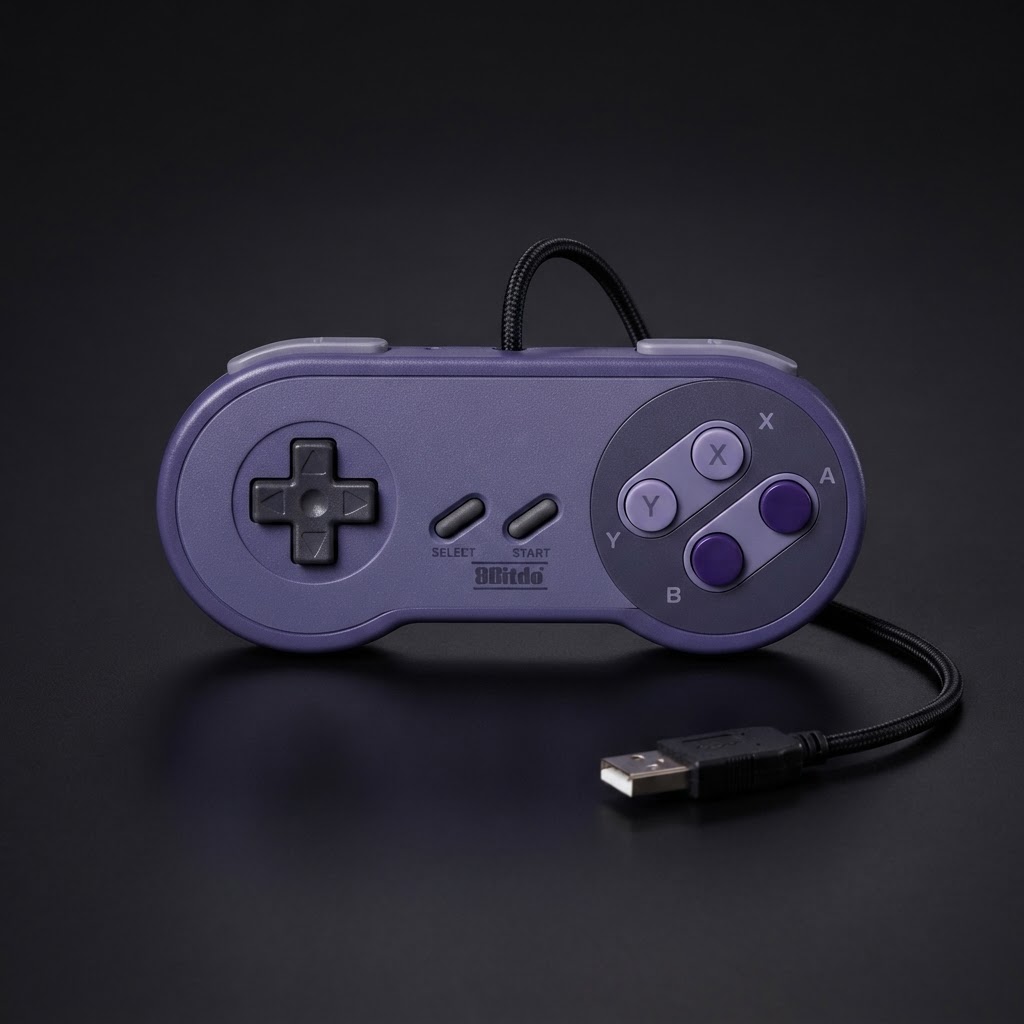
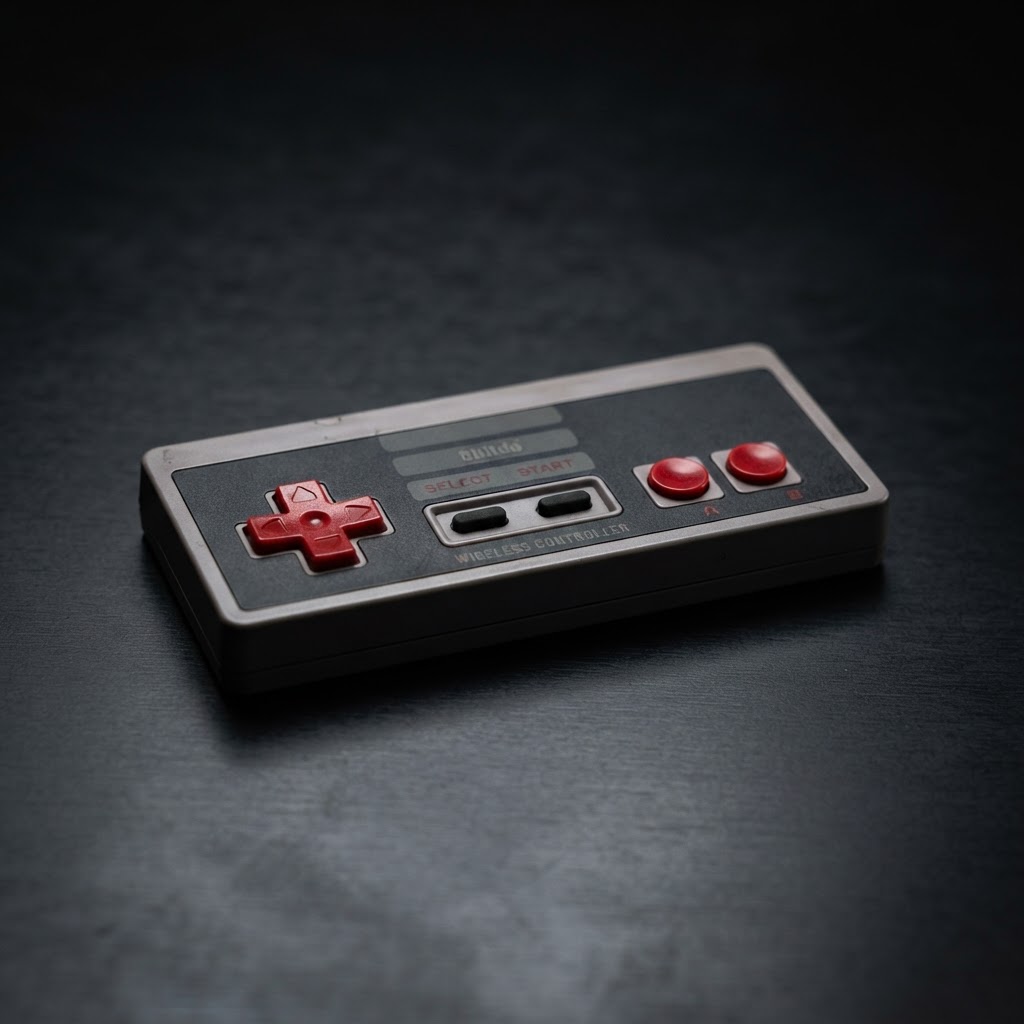
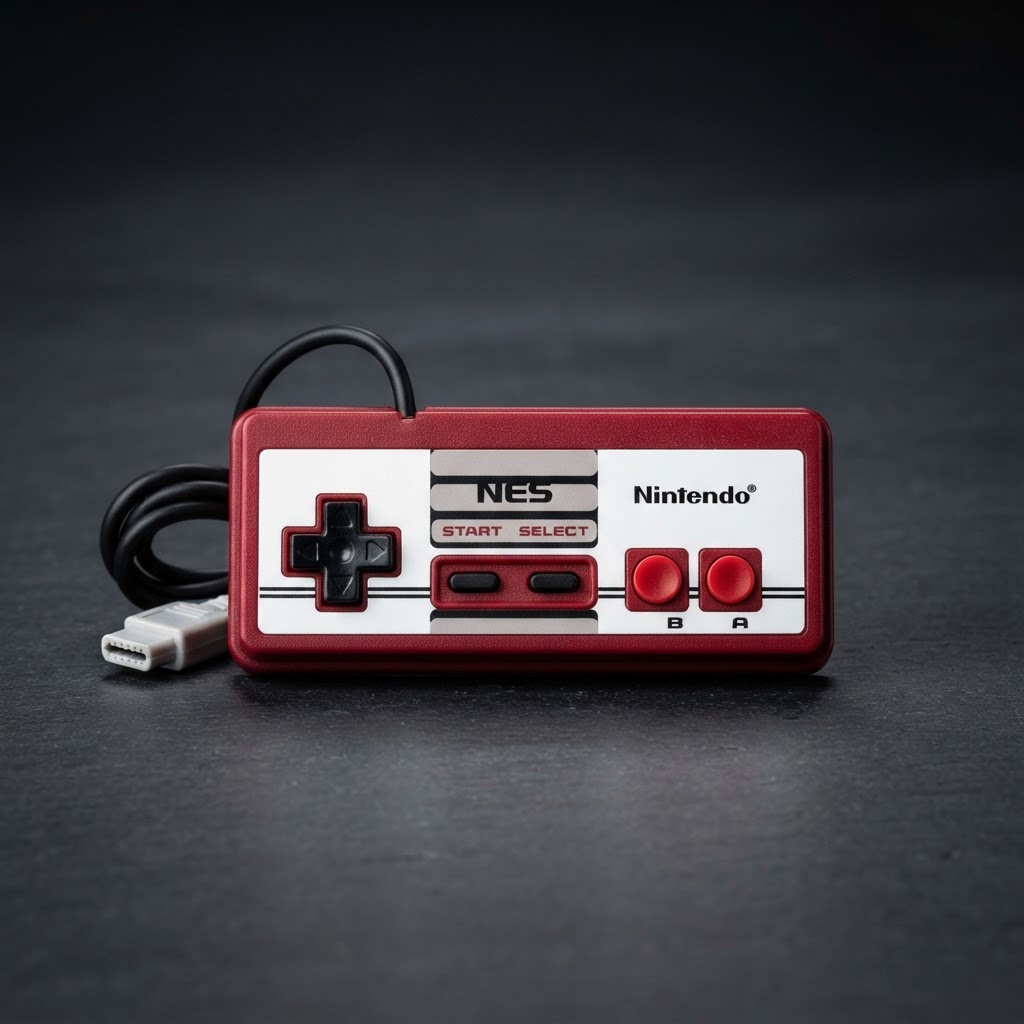
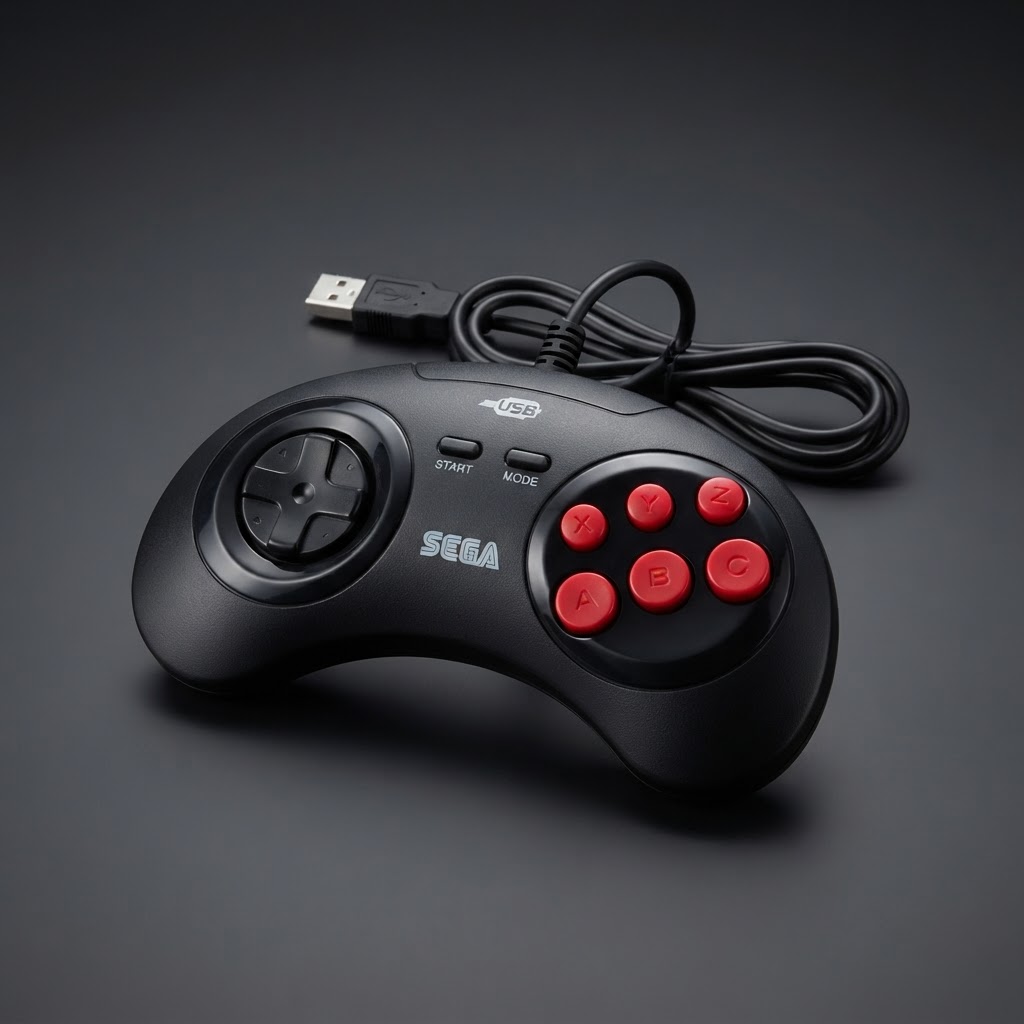
- Controls: Worn-out controllers undermine the experience. A Retro Arcade Joystick is an excellent upgrade for fighting games and arcade ports.
- Cable management: Retro setups accumulate cables fast. A Cable Organizer Box keeps your PSU cables, AV leads, and controller cords from becoming a tangled fire hazard on the shelf.
Quick Reference: PSU Recommendations by Console
- NES: Avoid original PSUs entirely unless professionally recapped. Use a dedicated modern NES replacement.
- SNES (North America): Original PSUs are more reliable than NES units but still worth replacing. Modern switching replacements are widely available.
- Sega Genesis Model 1: Be extremely cautious — the AC output is unusual. Verify specs meticulously on any replacement.
- Sega Genesis Model 2/3: Standard 9V DC; modern replacements are plentiful and safe.
- Atari 2600: Linear 9V DC; original units are often still functional but benefit from testing with a multimeter before use.
- Game Boy / GBA: Battery-powered — less of a concern, but avoid cheap third-party rechargeable battery packs with no protection circuitry.
Conclusion: Don't Gamble With Irreplaceable Hardware
The retro gaming hobby is built on preservation. Every console that gets fried by a failing PSU is one fewer piece of gaming history in the world. The good news is that modern replacement power supplies have never been better — safer, more reliable, and more affordable than ever.
Our clear recommendation: replace aging original PSUs on any console you plan to actually play, and invest in quality modern replacements with regulated output and protection circuitry. Save your originals for display.
Ready to protect your collection? Start with a Retro Console Repair Soldering Kit to address any existing board damage, then pair your freshly powered console with a Portable CRT-Style Retro Monitor for the full authentic experience. Your hardware — and your future self — will thank you.