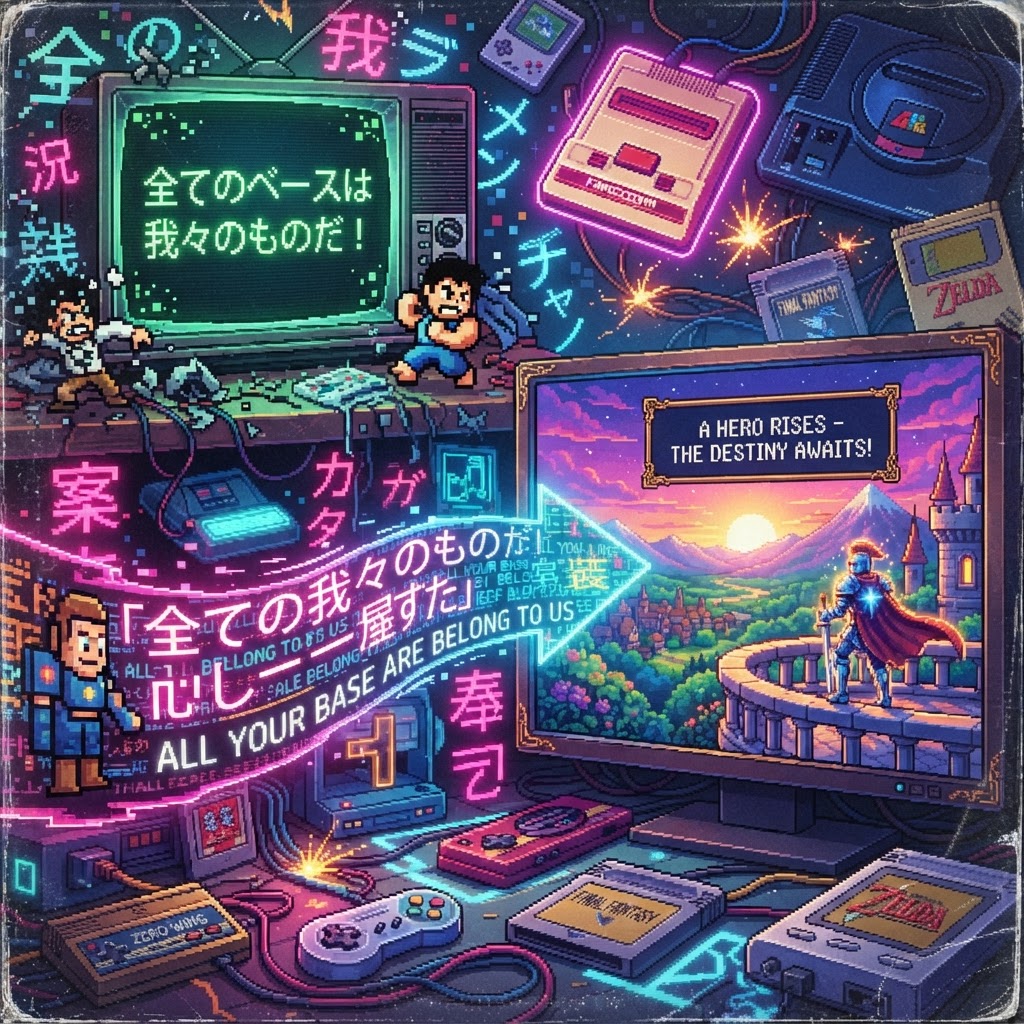
The history of retro gaming is littered with bizarre dialogue, cryptic instructions, and the occasional unintentional comedy. Who could forget the legendary "All your base are belong to us" from Zero Wing? For years, gamers simply accepted that Japanese games were "lost in translation." But as we revisit these classics, we have to ask: does the charm of the original broken English hold up, or is the modern, localized experience superior?
The "Wild West" Era of Localization
In the 80s and early 90s, localization wasn’t about cultural nuance; it was about squeezing Japanese text into tiny memory chips. Developers were working with severe character limits, often leading to cut-down scripts that lacked the emotional depth of the original Japanese versions.
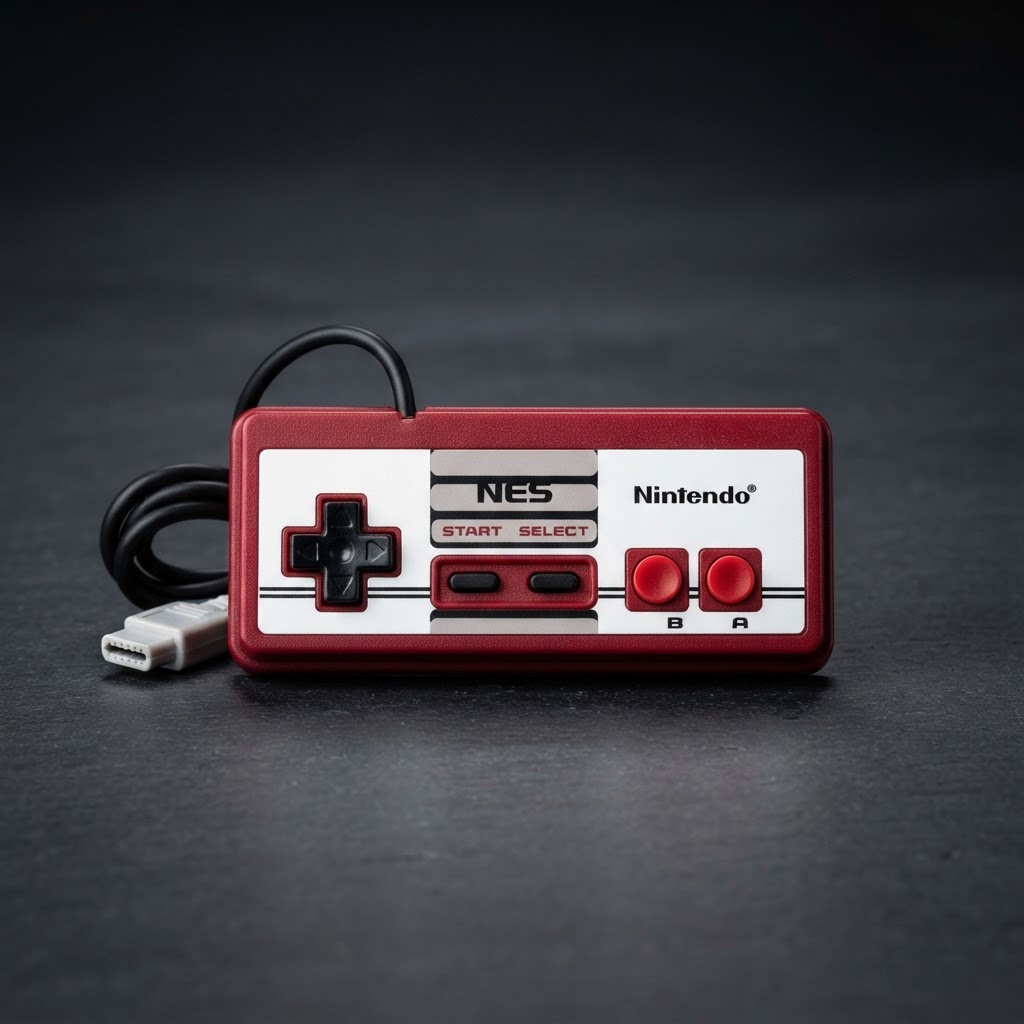
Translators were frequently programmers rather than linguists, leading to literal, clunky translations. This wasn't just a technical hurdle—it was a design constraint. When you play these games today, those quirks are part of the history. To get the most out of that classic feel, you need the right signal chain. If you are dusting off your childhood console, don’t settle for a blurry picture; a fresh SNES/NES Composite AV Cable can make a world of difference in clarity while maintaining that CRT-era warmth.
Original Hardware vs. Modern Recreations
The debate between playing on vintage hardware versus modern ports is the ultimate retro gamer's dilemma.
The Case for Vintage Hardware
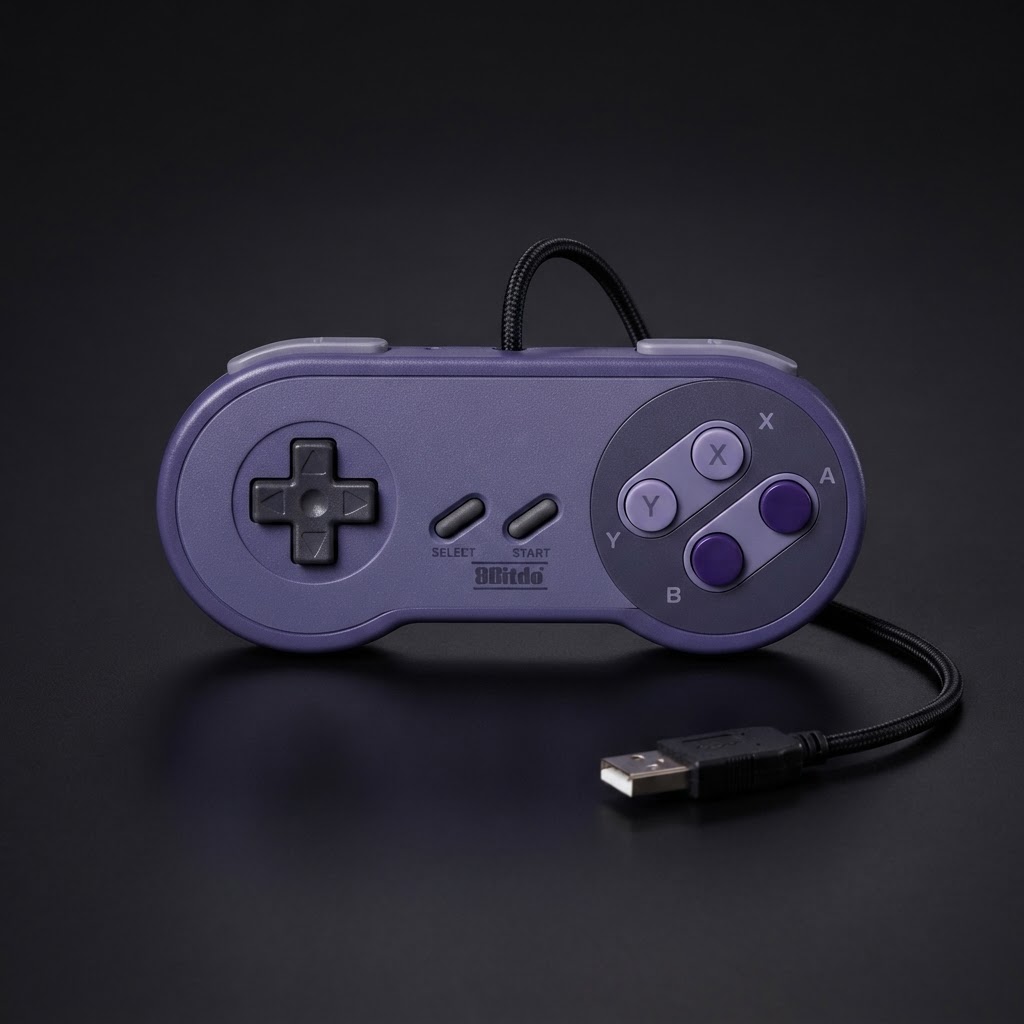
There is a tactile, spiritual connection to the original machine that emulators simply cannot replicate. The hum of the cooling fan, the specific resistance of the cartridge slot, and the distinct look of a game designed for a CRT monitor offer a story-driven experience that modern polished remasters often strip away. When you’re settled in for a long session of translation-heavy RPGs, having the right setup matters. You can keep your controller organized and ready for action with a Universal Game Controller Wall Mount, ensuring your space looks as professional as it feels nostalgic.
The Case for Modern Localization
Modern remakes and digital ports have the luxury of "fan-translations" that have been polished to perfection. Companies like Square Enix or Nintendo now employ professional localization teams that ensure the jokes land, the lore makes sense, and the emotional beats hit just as hard as they did in the original language.
Why We Still Love the "Broken" Classics
Despite the superiority of modern translations, there is something inherently human about the imperfections of a 1990s localization. Those awkward lines of dialogue created a shared culture of discovery among gamers in the playground. We weren't just playing a game; we were deciphering a puzzle.
The evolution of localization is a testament to how gaming has matured. We went from "Congratulation! This story is happy ending" to sprawling, award-winning scripts. Yet, we return to the original hardware because we miss the simplicity of that era.
Elevating Your Retro Setup
Whether you prefer the raw, unpolished charm of the original 8-bit translations or the sleek, localized versions found on modern consoles, your environment sets the tone. If you’re truly dedicated to the craft of retro gaming, you know that immersion is key.
For those long nights spent reading through retro dialogue, make sure you have your favorite beverage in a high-quality Retro Gaming Mug nearby. It’s the small details that transform a living room into a sanctuary for gaming history.
The Bottom Line
Localization has evolved from a technical necessity into an art form. While modern recreations provide a smoother path through complex narratives, nothing can replace the authentic feeling of original hardware. The "broken" English of our childhoods gave these games a unique, surreal identity that modern scripts often lack.
If you want to preserve your collection in a way that pays homage to the history of the industry, consider picking up a RGB LED Console Display Stand to show off the very hardware that started this localization revolution. Every console has a story, and it’s up to us to keep those stories alive, even the ones that come with a few typos.