You've Heard the Pitch. Now Let's Get Real.
If you've been collecting for more than a few years, you've already sat through a dozen Reddit threads debating FPGA versus software emulation. You know the talking points. What you probably haven't found is a clear-eyed breakdown written for someone who already owns original hardware, has a CRT in the living room, and isn't easily impressed by marketing language like "pixel-perfect accuracy."
This guide skips the basics and goes straight to the questions that matter for a serious collector: How accurate is FPGA really? Where does it fall short? And is it a complement to your collection, a replacement for part of it, or an expensive novelty?
What FPGA Actually Does (Beyond the Marketing)
FPGA stands for Field-Programmable Gate Array. Unlike software emulation — which interprets console behavior through code running on a general-purpose CPU — an FPGA physically reconfigures its logic gates to replicate the hardware behavior of the original chip. That means timing, bus behavior, and edge-case quirks are reproduced at a silicon level, not approximated.
The practical result: games that had bugs, glitches, or undocumented behavior on original hardware will exhibit that same behavior on an FPGA core. Shadow of the Beast's parallax scrolling on the Mega Drive, the Blast Processing marketing (and its real, partial effects), the Super FX chip's frame pacing in Star Fox — all reproduced with a fidelity that software emulation still struggles to match in edge cases.
Where FPGA has limits:
- Core completeness varies wildly. A mature core like MiSTer's SNES core is exceptionally accurate. A newer, community-built core for an obscure system may have timing errors, missing audio channels, or save state instability.
- Analog output isn't always native. Some FPGA devices output digital signals that are then converted. For purists using RGB SCART or component into a PVM, the signal chain still matters.
- Latency is near-zero but not zero. FPGA typically adds 0–1 frame of latency, far better than most software solutions, but understanding your display chain is still critical.
The Analogue Ecosystem: Premium Price, Premium Results
Analogue has become the standard-bearer for consumer FPGA consoles, and for good reason. Their approach — dedicated hardware per system, official licensing work, high-quality cartridge slots — produces some of the cleanest implementations available outside of custom MiSTer builds.
The Analogue 3D FPGA Console is their most ambitious project to date, targeting the Nintendo 64 with cycle-accurate FPGA implementation. For collectors, this is significant: the N64 is notoriously difficult to emulate accurately in software due to its RCP (Reality Co-Processor), and original hardware has capacitor aging issues that affect video output. An FPGA solution that plays your original cartridges with zero-latency output to 4K is genuinely compelling.
Collector insight: If you run your FPGA console through a high-quality display rather than a CRT, output quality matters enormously. Pairing a device like the Analogue 3D with a 4K Retro Gaming Projector creates a large-format, low-latency setup that showcases upscaled pixel art in a way a flat panel simply cannot replicate — especially in a dedicated gaming room environment.
MiSTer FPGA: The Power User's Choice
For collectors who want maximum flexibility, the MiSTer FPGA platform (built on the DE10-Nano development board) is the deeper rabbit hole. It supports hundreds of cores spanning arcade hardware, home consoles, and computers — from the Atari 2600 to the PlayStation 1, PC Engine CD, and Neo Geo.
Why MiSTer beats Analogue for advanced users:
- Open-source cores updated continuously by the community
- Simultaneous multi-system support (swap cores in seconds)
- Direct HDMI and analog output (with the right I/O board)
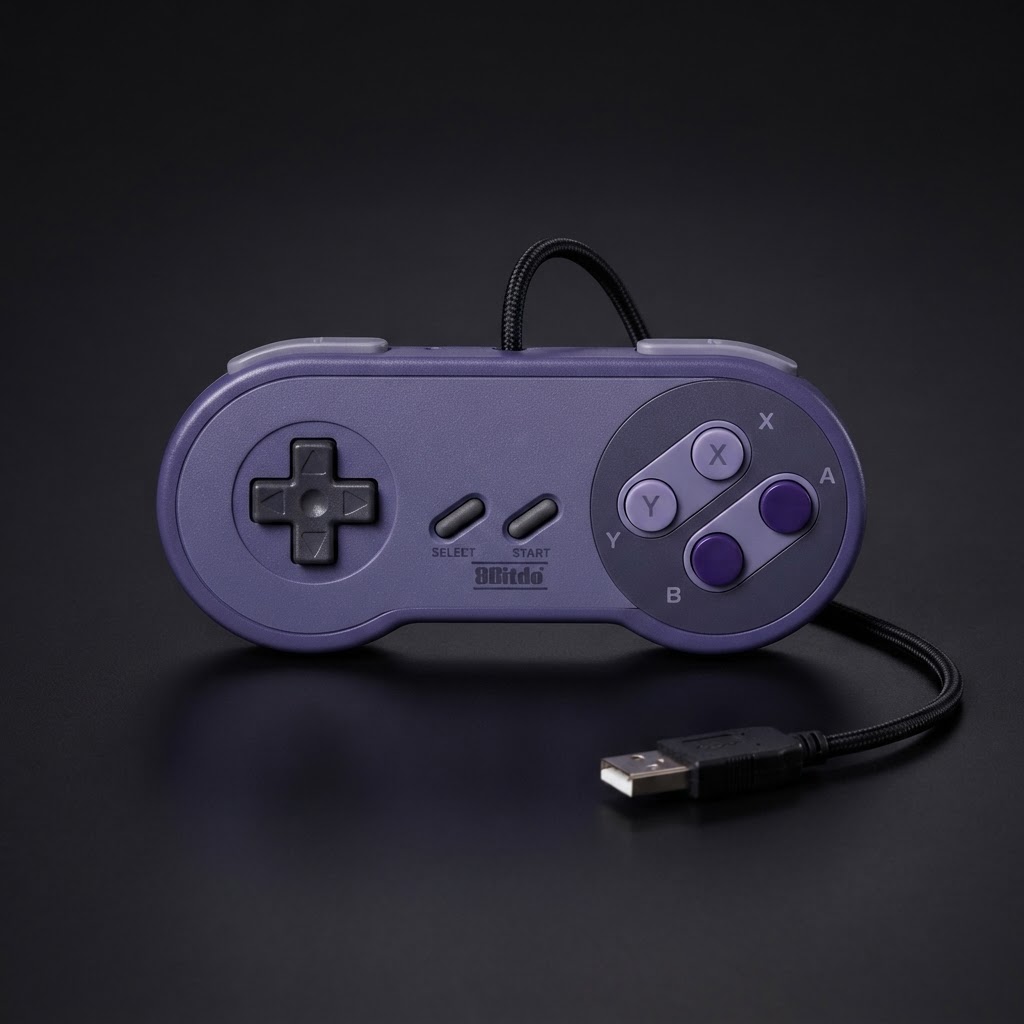
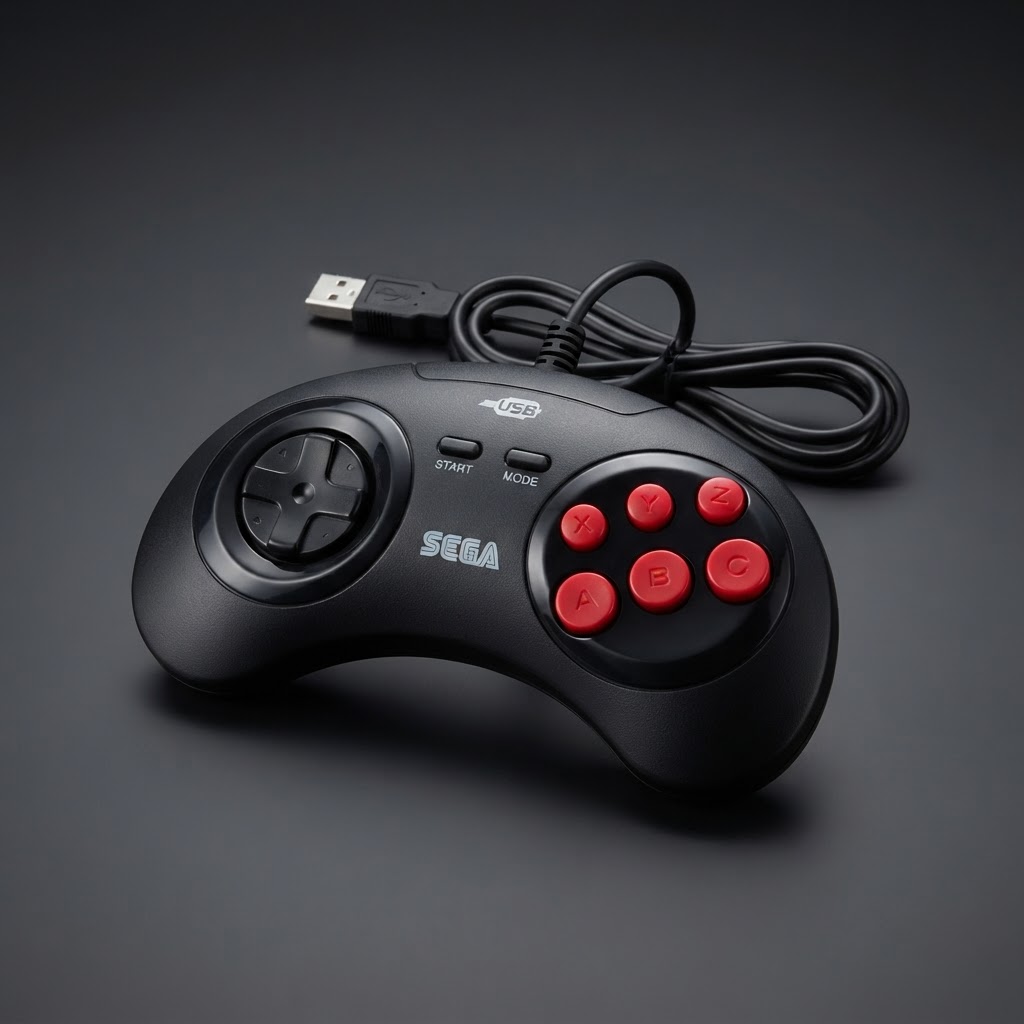
- Supports original controllers via USB or direct DB9 adapters
The real hidden cost: MiSTer requires assembly, configuration, and ongoing tinkering. It is not a plug-and-play device. For collectors comfortable with Linux command lines and willing to follow community wikis, it's extraordinary. For everyone else, it can be a frustrating money pit.
A practical tip most guides skip: MiSTer's arcade cores are often more accurate than its console cores for certain systems. The CPS2 and Neo Geo cores are among the best implementations available anywhere. If your collection skews toward arcade PCBs and you want a low-maintenance way to run those libraries without pulling boards, MiSTer earns its price immediately.
Protecting and Displaying Your Physical Collection Alongside FPGA
Here's where experienced collectors often get caught flat-footed: adopting FPGA doesn't mean retiring your cartridge collection. In fact, most serious FPGA users still play original carts. That makes proper storage more important, not less — you're handling cartridges more frequently, not less.
A quality Multi-Game Cartridge Storage Case keeps your most-played carts accessible without exposing them to dust or contact damage. For collectors running handheld FPGA devices like the Analogue Pocket, adding a Handheld Console Screen Protector is a non-negotiable — the Pocket's display is stunning, and it scratches more easily than most people expect.
Is the Price Justified? An Honest Cost-Benefit Analysis
Let's put real numbers on the table:
| Device | Approx. Price | Best Use Case | |---|---|---| | Analogue Pocket | ~$220 | Game Boy / handheld library | | Analogue 3D | ~$249+ | N64 with original carts | | MiSTer (full build) | ~$200–$350 | Multi-system power users | | Analogue Mega Sg | ~$190 | Mega Drive / Genesis library |
For a collector already spending $300–$500 on a single CIB SNES title, these prices are modest. The honest calculus:
- FPGA is worth it if you want zero-latency, scanline-accurate output on a modern display, play original media, and want your original hardware preserved in storage or on display.
- FPGA is not worth it if you're already happy with a well-configured RetroArch setup, don't notice the differences, or primarily collect for display rather than play.
The middle ground most guides miss: FPGA and original hardware are complementary. Use FPGA for daily play, keep original hardware for authenticity and value. Your CIBs stay pristine, your FPGA unit takes the wear.
To finish off a dedicated retro setup, consider adding a Premium Surround Sound Gaming Soundbar — FPGA cores reproduce audio chip behavior accurately, and the difference between compressed emulator audio and a proper FPGA audio output through quality speakers is immediately audible on systems like the SNES or FM-sound Mega Drive.
Conclusion: FPGA Earns Its Place in a Serious Collection
For experienced collectors, FPGA consoles aren't a replacement for original hardware — they're the most intelligent tool for preserving playability while keeping your physical collection intact. The technology is mature enough now that core accuracy on major systems is no longer a debate; it's settled.
If you're ready to invest, start with the Analogue 3D FPGA Console for a premium, no-compromise N64 experience that will make your cartridge shelf earn its keep all over again.