In the world of retro gaming, headlines often scream about multi-million dollar sales of Super Mario Bros. or The Legend of Zelda. While it’s fascinating to imagine a mint-condition, sealed plastic box sitting in a vault, it’s a reality far removed from what retro gaming is actually about: the sound of a cartridge clicking into place and the flicker of a CRT monitor. If you’ve ever felt priced out of the hobby, I have good news: the most expensive games in history are usually the ones you’d never want to open anyway.
The Myth of the Million-Dollar Cartridge
When we talk about the most expensive retro games ever sold, we are rarely talking about software—we are talking about alternative assets. A $2 million copy of Super Mario Bros. isn't a game; it’s a time capsule. For the average enthusiast, these records represent the "investment-grade" side of the hobby, which often has nothing to do with gaming culture.
If you want to understand the history of these rare items, I highly recommend picking up a Classic Games Collector Reference Book. It’s an essential tool for identifying which games are worth keeping an eye out for at flea markets and which ones are just hype.
How to Build a "High-Value" Collection on a Budget
You don't need a six-figure salary to have a legendary setup. Most of the joy in retro gaming comes from the "hunt." Here is how you can build a massive library of high-quality experiences without bankrupting yourself:
1. Focus on Playable Cartridges, Not Sealed Boxes
Collectors prize "WATA-graded" or sealed games, but those are display pieces. If you want to play, look for "loose" cartridges. They are significantly cheaper and offer the exact same gameplay experience. If your loose carts look a little tired, you can easily revitalize your collection with some Game Cartridge Labels & Stickers, giving them a professional, fresh look on your shelf.
2. Modernize Your Setup for Less
The biggest hurdle for many new collectors is hardware compatibility. Connecting vintage consoles to modern 4K TVs can be a headache. Rather than spending thousands on vintage monitors, a Multi-Console RF to HDMI Adapter allows you to bridge the gap between 1990s technology and modern display standards easily.
3. Embrace "Hidden Gems"
The games that break auction records are almost always the "Big Hits." However, the true value of retro gaming lies in the library that nobody talks about—the sleeper hits on the Sega Genesis, the SNES, or the TurboGrafx-16. By avoiding the "Top 10 Most Expensive" lists, you open yourself up to thousands of incredible titles that cost a fraction of the price.
Optimizing Your Gaming Space
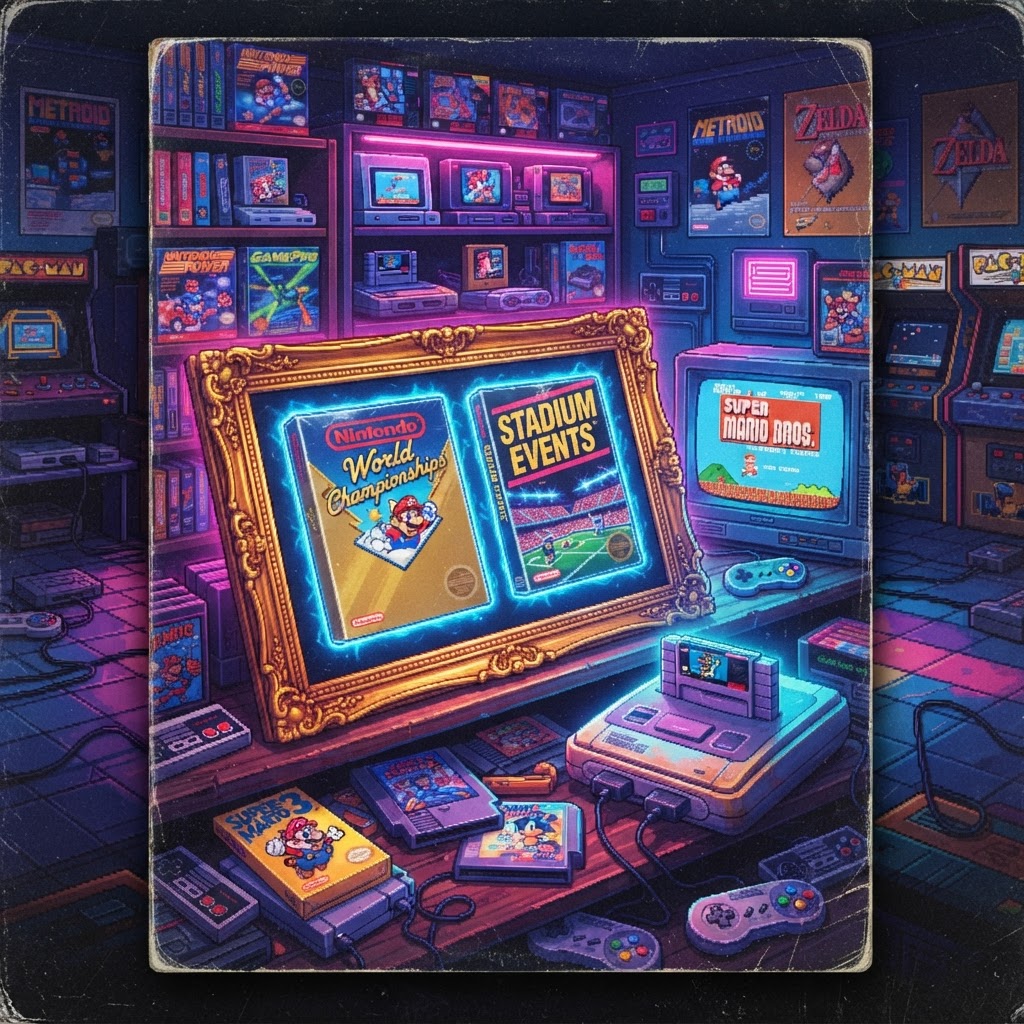
Once you’ve started hunting for games, the next step is creating a space that feels like a true "vault." You don't need a million dollars to look the part. Transforming your room into a dedicated sanctuary is easy when you have the right gear. Whether you are aiming for a classic neon aesthetic or a clean, modern retro-hybrid look, investing in an RGB Retro Gaming Desk Setup Bundle can bring your collection to life, making your games feel like the centerpieces they deserve to be.
Why Your Collection Matters
At the end of the day, a game is meant to be played. The most expensive games ever sold are effectively "dead" in their plastic cages. Your collection, however, is alive. It’s a library of experiences that defined generations. By avoiding the trap of chasing "investment-grade" auctions, you can afford to collect games that actually bring you joy.
So, don't let the headlines discourage you. Go out there, hit the local garage sales, check the used game shops, and fill your shelves with the titles that shaped your childhood. If you're ready to get started, grab your Classic Games Collector Reference Book today and start your journey toward a collection that’s built for fun, not just for show.