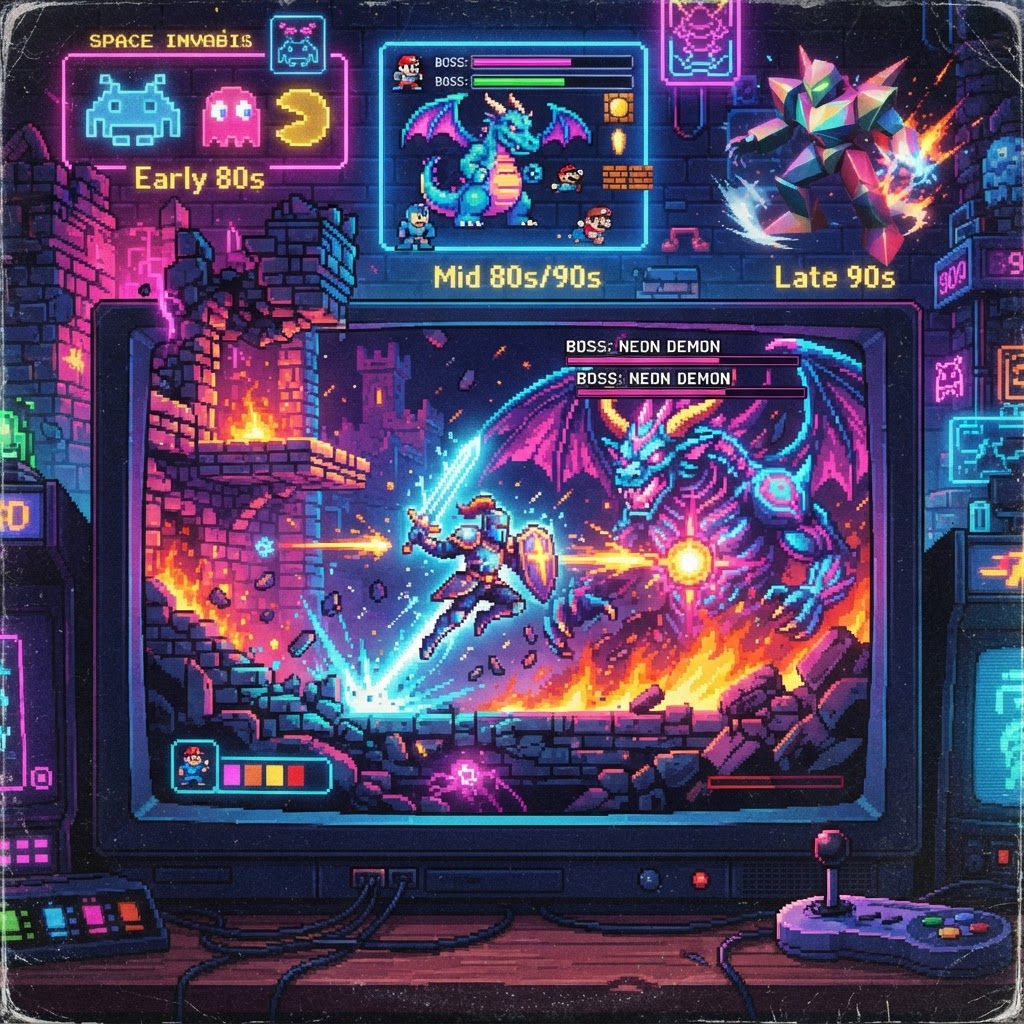
The boss battle is the heartbeat of retro gaming. Whether it was the rhythmic terror of Bowser’s fire-breath in Super Mario Bros. or the nerve-wracking bullet hell of Contra, these encounters defined our childhoods. But beyond the nostalgia, boss battles are a masterclass in game design evolution—from simple A.I. loops in the 8-bit era to the multi-phase tactical endurance tests of the 16-bit and 32-bit generations.
The 8-Bit Era: Pattern Recognition as Survival
In the early days of the NES and Master System, boss battles were essentially puzzles wrapped in sprites. The technology was limited; memory constraints meant bosses couldn't "think." Instead, they relied on fixed patterns. If you could memorize the timing of a boss’s movement, you could win.
However, many players struggled not because they lacked skill, but because of hardware frustration. If your console is overheating or your cartridges are dirty, that frame-perfect jump might stutter right when it counts. Before you attempt another "no-damage" run of Mega Man, ensure your hardware is in top shape. Using an Anti-Static Cartridge Cleaning Brush can resolve those annoying graphical hitches that turn a fair fight into a luck-based nightmare.
The 16-Bit Leap: Multi-Phase Evolution
The jump to the SNES and Sega Genesis changed the rules. With more processing power, developers introduced "multi-phase" bosses. No longer were they static; they changed behavior halfway through the fight. Think of the climactic encounter with Kraid in Super Metroid. The screen space became a weapon itself.
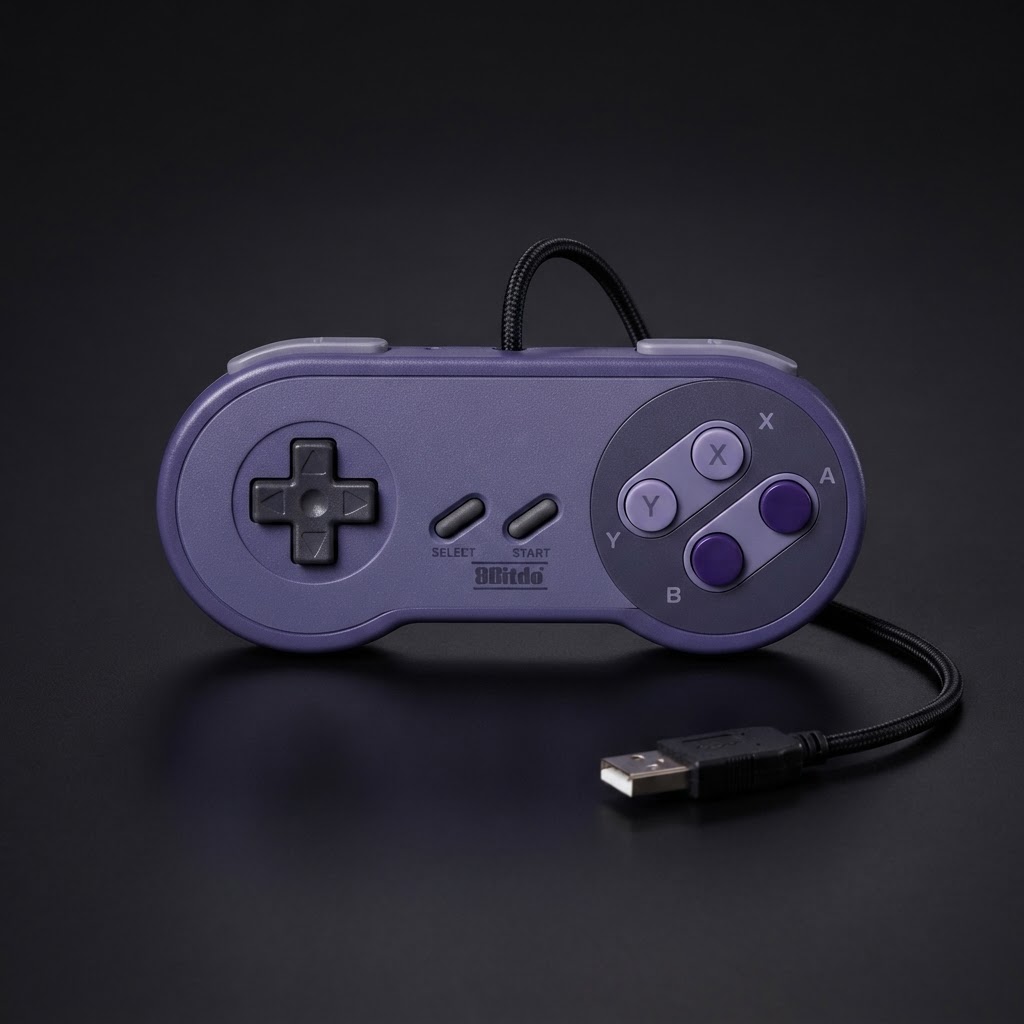
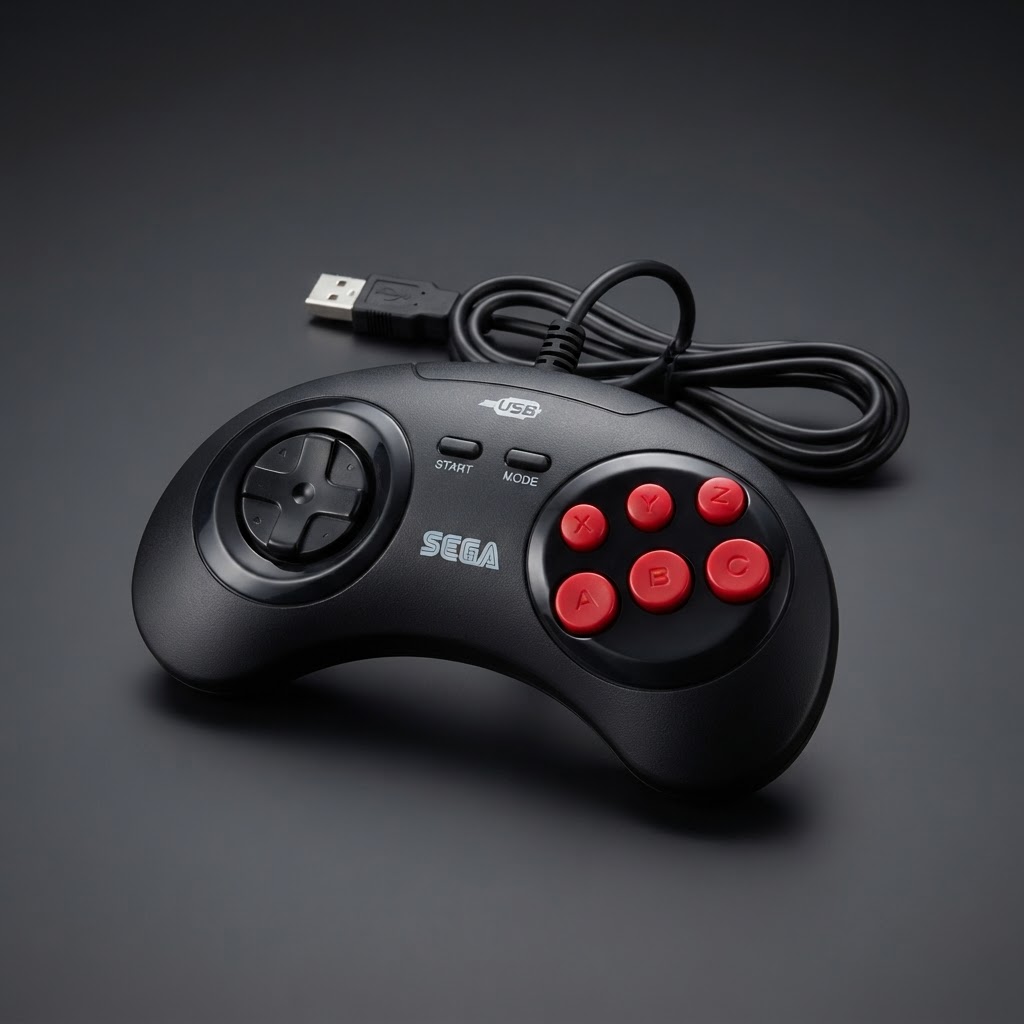
This era also demanded more from our controllers. If you find that your classic pads are feeling "mushy" or unresponsive, it might be time for some maintenance. Opening up a controller to clean the contact pads requires precision, and using the right tools is essential. A Console Screw Bit Repair Tool Set will save your vintage hardware from being stripped or damaged during deep cleans, ensuring your input delay remains at zero when you’re frame-counting a boss’s vulnerability window.
The "AI" Revolution: Why Bosses Started Feeling Smarter
As we moved into the 32-bit era, boss battles shifted from pure pattern recognition to semi-reactive AI. Bosses started tracking the player's movement, forcing us to adapt on the fly. This "discovery-focused" design—where you learn the boss's weaknesses by experimenting rather than just rote memorization—defined the late 90s.
Today, preserving that experience is more important than ever. Whether you are playing on original hardware or opting for a high-end experience like the Analogue Pocket FPGA Handheld, the goal is the same: experiencing the game as the developers intended, free from emulation lag or hardware failure.
Troubleshooting Your Retro Gaming Setup
If you’re finding that boss battles are suddenly harder than they were twenty years ago, don't blame your reflexes just yet. Often, environmental factors are at play:
- Input Latency: Modern TVs are the enemy of retro gaming. Ensure your display is in "Game Mode" or consider using dedicated hardware to minimize signal processing time.
- Thermal Throttling: If you’re playing on original consoles for extended sessions, heat can actually cause signal degradation. A Retro Console Cooling Fan can help keep those vintage chips from "sweating" during intense, screen-filling boss fights.
- Cartridge Oxidation: If a boss keeps resetting or the game crashes during a cutscene, the pins are likely oxidized. Regular cleaning is the easiest fix.
Final Thoughts: Tracking Your Progress
Mastering boss battles is a journey of personal growth. Many of the best players keep a Retro Gaming Journal & Notebook to record boss patterns, secret weaknesses, and personal best times. It’s not just about winning; it’s about understanding the craft behind these digital gatekeepers.
If you are ready to take your boss-slaying skills to the next level, start by giving your setup the maintenance it deserves. Grab a Console Screw Bit Repair Tool Set today and ensure your hardware is as legendary as the games you play.