From Flat Bricks to Ergonomic Masterpieces: A Brief History of Controller Design
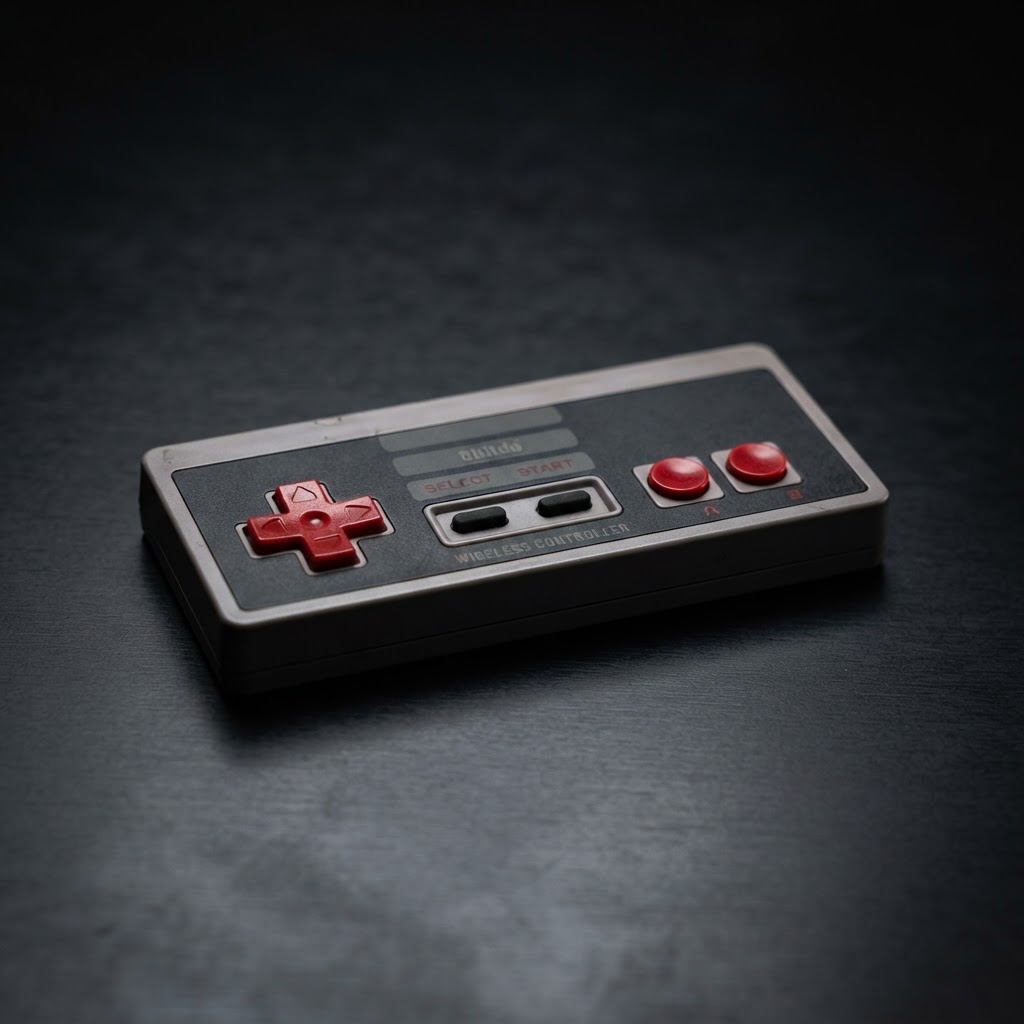
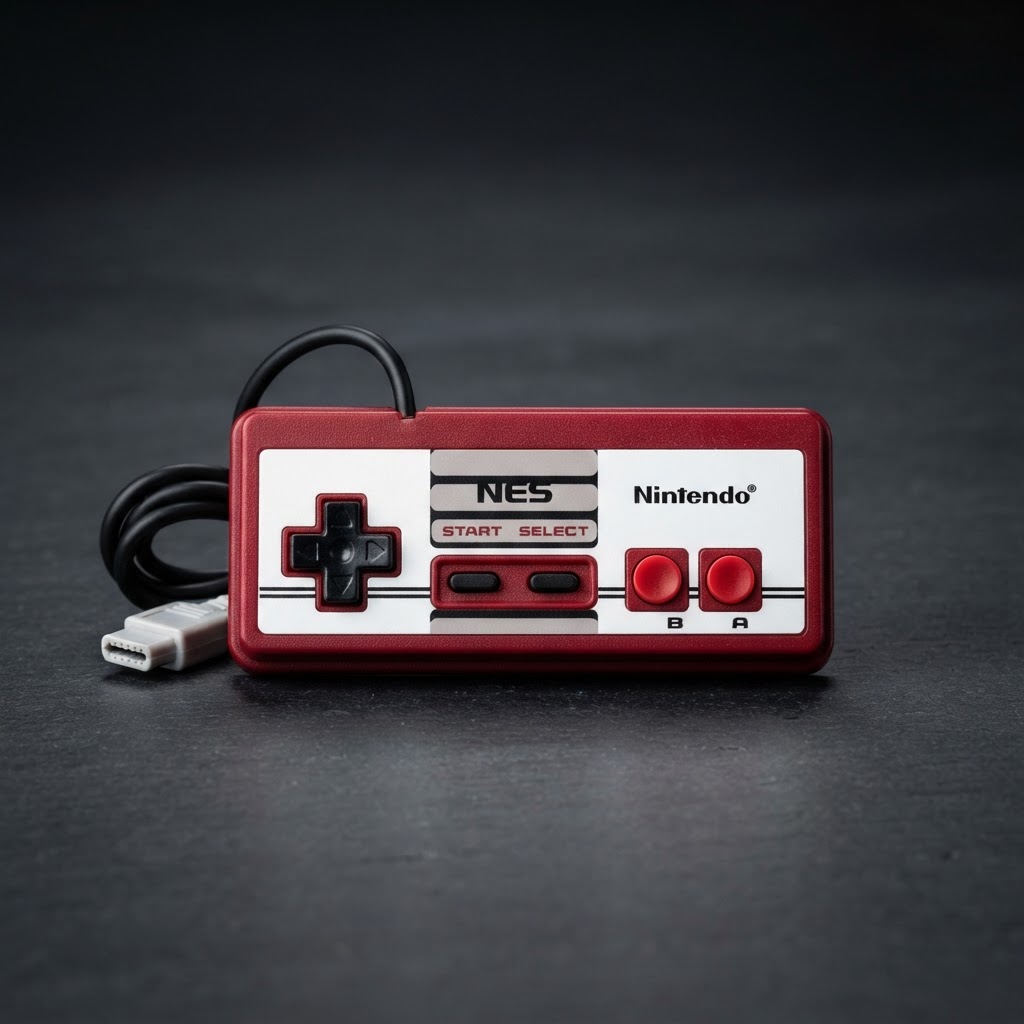
Cast your mind back to 1983. The NES launched in North America with a rectangular, almost credit-card-flat controller that felt revolutionary at the time — but only because there was nothing better to compare it to. Nintendo's designers prioritized simplicity and cost over comfort. The result was a functional but unforgiving slab of plastic that left a generation of gamers nursing sore thumbs after hours of Super Mario Bros.
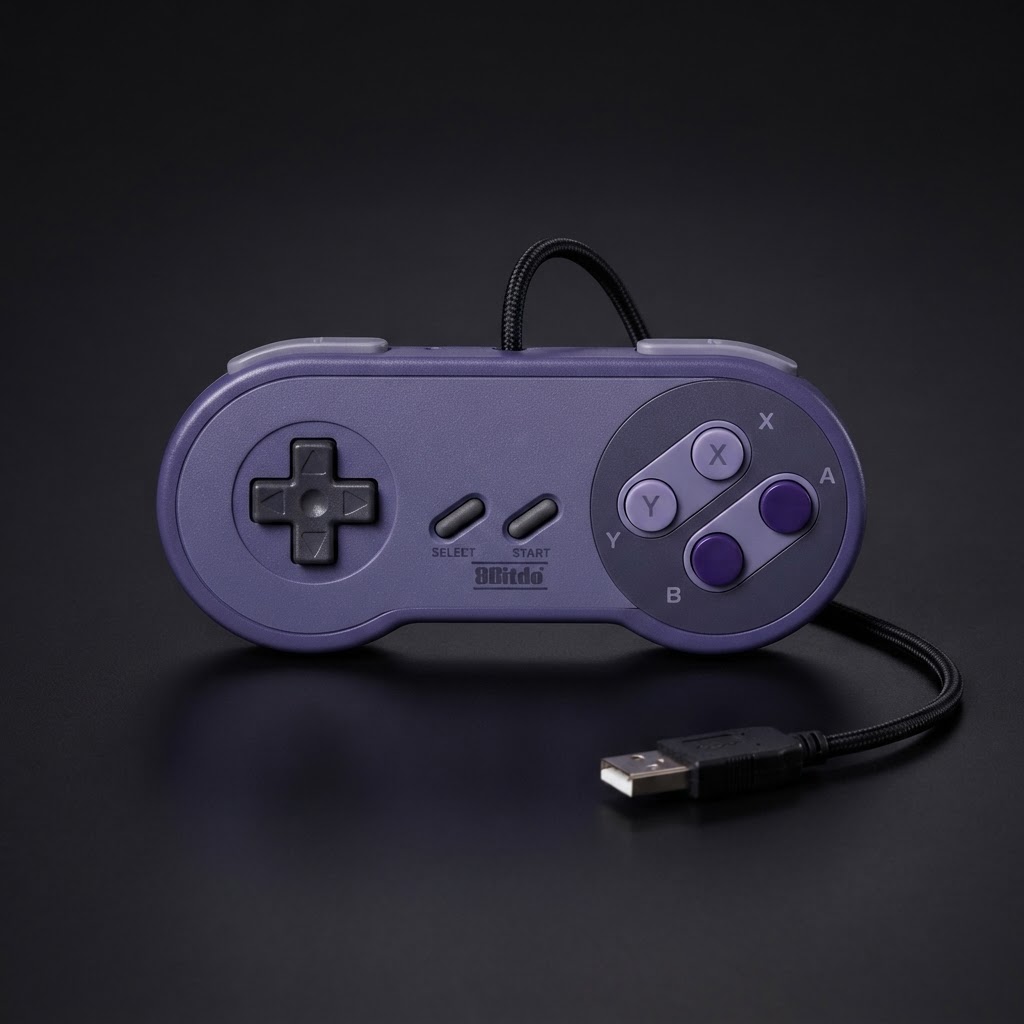
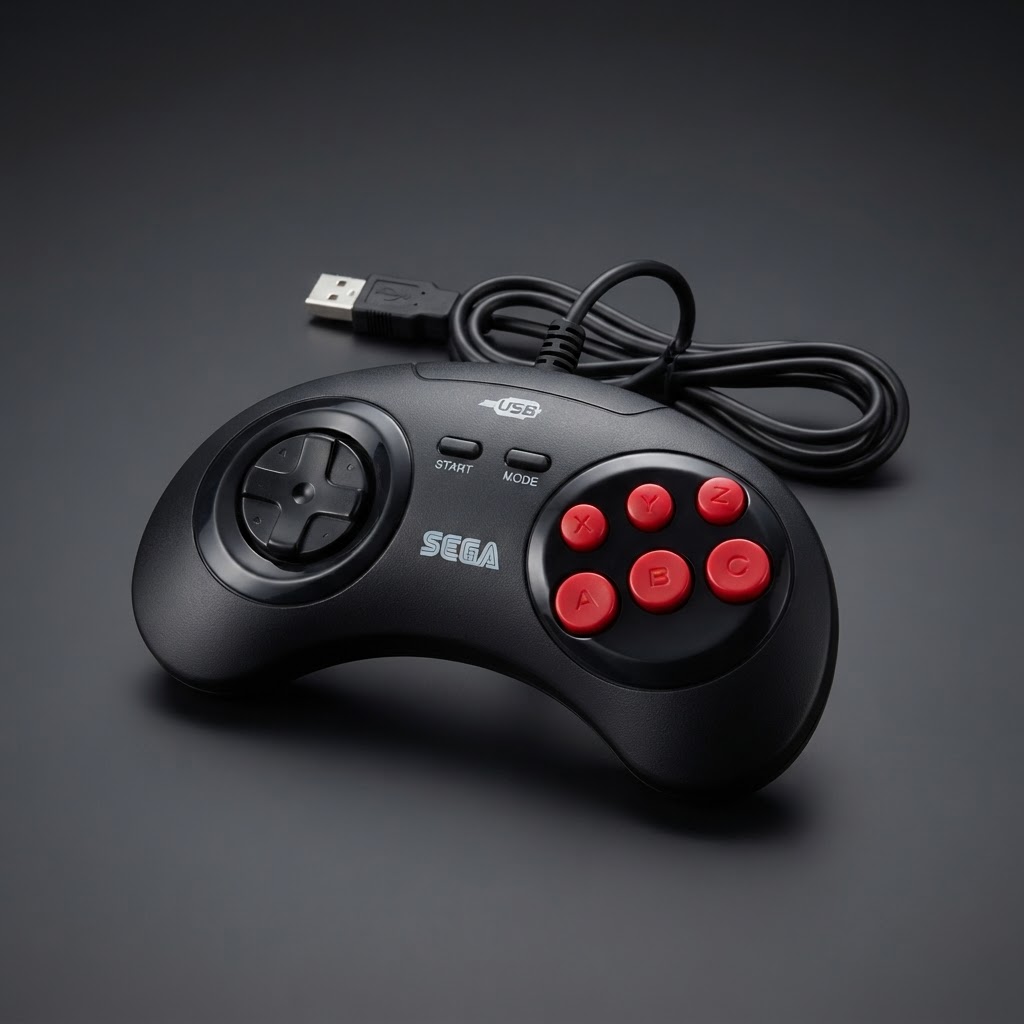
The industry began to wake up in the early 1990s. Sega's six-button Genesis controller introduced a more rounded form factor. Then came the watershed moment: Sony's PlayStation DualShock in 1997, which essentially invented the ergonomic gamepad template that every major controller follows to this day — offset analog sticks, sculpted grips, and a shape that fits the human hand like it was always meant to.
The problem? If you're gaming on original retro hardware, emulators, or mini consoles in 2024, you're often stuck choosing between using historically authentic but uncomfortable original controllers, or finding modern alternatives that don't sacrifice the retro experience. That's exactly what this guide solves.
Why Ergonomics Matter More for Retro Gaming Than You Think
Modern gamers rarely think about controller ergonomics because the work was done for them decades ago. Retro gamers don't have that luxury. Consider that the average retro gaming session — especially on an emulator setup or a MiSTer FPGA — can last two to four hours. Using a flat NES-style controller for that duration puts repetitive strain on the flexor tendons of your fingers and the ulnar nerve in your wrist.
Physical therapists have flagged "gamer's thumb" and carpal tunnel flare-ups as increasingly common complaints among retro gaming enthusiasts, largely because old-school controllers force unnatural wrist pronation. The good news: the market has responded with a wave of ergonomically redesigned retro-style controllers that give you the authentic button layout and feel without the physical punishment.
What to Look for in an Ergonomic Retro Controller
Hand Size and Grip Shape
Controllers come in three general grip profiles: flat (original NES/SNES style), curved (Genesis evolution), and deep-grip (modern ergonomic). If you have larger hands, deep-grip controllers are almost always more comfortable. Smaller hands often do well with a mid-size curved design.
Button Layout Authenticity
True retro enthusiasts care deeply about button placement. A D-pad that's even 2mm off can throw off muscle memory built over decades. Look for controllers that replicate the exact button spacing of the original hardware while adding ergonomic improvements to the body shape itself.
Thumbstick Grips and Tactile Feel
Even on controllers designed primarily for D-pad use, analog sticks are often included for emulator versatility. Worn or slippery thumbstick caps are a comfort and precision killer. Investing in a set of Controller Thumbstick Grips is one of the cheapest upgrades you can make — they add texture, raise the contact point slightly, and reduce the thumb tension needed to maintain precise control during long sessions.
Wired vs. Wireless
Wireless controllers reduce desk clutter and eliminate cable drag, which subtly affects wrist positioning. However, input latency — even at 1ms — matters to competitive retro gamers. For casual play, wireless is fine. For precision platformers or fighting games, wired is still king.
Top Ergonomic Controller Options for Retro Gamers
Best for Sega Fans: Sega Genesis Style USB Controllers
The Genesis six-button layout is widely regarded as one of the best fighting game controller designs ever made, and modern USB recreations have improved on the original's ergonomics significantly. A quality Sega Genesis Style USB Controller gives you that iconic concave button feel, a responsive D-pad, and — crucially — a slightly deeper, more curved grip than the original 1989 hardware. These plug directly into PC, Raspberry Pi, and MiSTer setups, making them incredibly versatile.
Why it's ergonomic: The rounder body reduces ulnar deviation (the awkward inward bending of the wrist) compared to the flat original.
Best for NES Purists: Modern NES Mini-Style Controllers
If your heart belongs to Nintendo's 8-bit era, a modern take on the NES controller is your best bet. The NES Mini Classic Controller improves on the original with softer edges, slightly textured grip surfaces, and a D-pad that registers diagonal inputs more reliably. Compatibility is broad — most versions work with PC via USB, and some support Switch or official NES Mini hardware.
Pro tip: Pair it with Controller Thumbstick Grips on any included analog additions, and you've got a setup that respects the original aesthetic while genuinely protecting your hands.
Building the Full Ergonomic Retro Gaming Setup
Ergonomics isn't just about the controller in your hands — your entire gaming environment contributes to physical comfort and session sustainability.
Display Height and Distance
Hunching toward a small screen is a fast track to neck and shoulder strain. Pairing your retro setup with a Premium CRT-Style Gaming Monitor placed at eye level on a proper stand dramatically reduces postural strain. These monitors also recreate the scanline aesthetic that makes retro games look their best — so you're winning on two fronts.
Handheld Console Ergonomics
Handheld retro gaming — Game Boy, Game Gear, Lynx — presents its own ergonomic challenges. Holding a device at an upward angle for extended periods strains both wrists and shoulders. A Handheld Console Stand lets you prop your device at an optimal viewing angle while using a separate Bluetooth or USB controller, completely eliminating handheld strain on longer sessions.
Lighting and Eye Fatigue
Eye strain compounds physical discomfort during long retro sessions. Installing LED Strip Lights for Gaming Room behind your display provides bias lighting — a soft ambient glow that reduces the contrast between your bright screen and dark room, measurably reducing eye fatigue over multi-hour sessions.
Quick Ergonomic Tips for Any Retro Controller
- Take a break every 45 minutes. Set a timer. Stretch your fingers, roll your wrists.
- Keep elbows at 90 degrees. Rest your forearms on a surface rather than holding them suspended.
- Grip lightly. Most controller-related strain comes from gripping too hard, especially during tense gameplay moments.
- Use thumb grips. As mentioned above, Controller Thumbstick Grips reduce the pressure needed for precise input.
- Consider controller weight. Heavier controllers cause more arm fatigue. Lightweight designs are better for marathon sessions.
Conclusion: Play Longer, Play Better
Retro gaming is a hobby worth protecting — and so are your hands. The original controllers of the '80s and '90s were engineering products of their time, constrained by manufacturing costs and a limited understanding of repetitive strain injury. Today, you have no excuse to suffer through uncomfortable hardware when excellent ergonomic alternatives exist that honor the spirit of classic gaming while keeping you physically comfortable for the long haul.
Start with a Sega Genesis Style USB Controller or a NES Mini Classic Controller depending on your platform of choice, grab some Controller Thumbstick Grips, and build out the rest of your ergonomic setup from there. Your future self — and your tendons — will thank you.