Why Experienced Collectors Should Care About Subscription Services
Most "best retro gaming subscription" articles are written for newcomers who just discovered that the SNES existed. This one isn't. If you already own a FPGA Retro Console (Analogue-Style) and argue passionately about scanline filters, you understand that subscriptions serve a different purpose for you than for casual players.
For collectors, subscription services are discovery engines, gap-fillers, and research tools. They let you play obscure titles before committing to a $200+ cartridge purchase, verify a game's quality before hunting the physical copy, and access platform-exclusive titles that simply can't be owned physically. Used strategically, they're worth every penny. Used passively, they're expensive background noise.
The Contenders: A No-Fluff Breakdown
Nintendo Switch Online + Expansion Pack
Best for: Verifying physical purchase candidates on Nintendo platforms
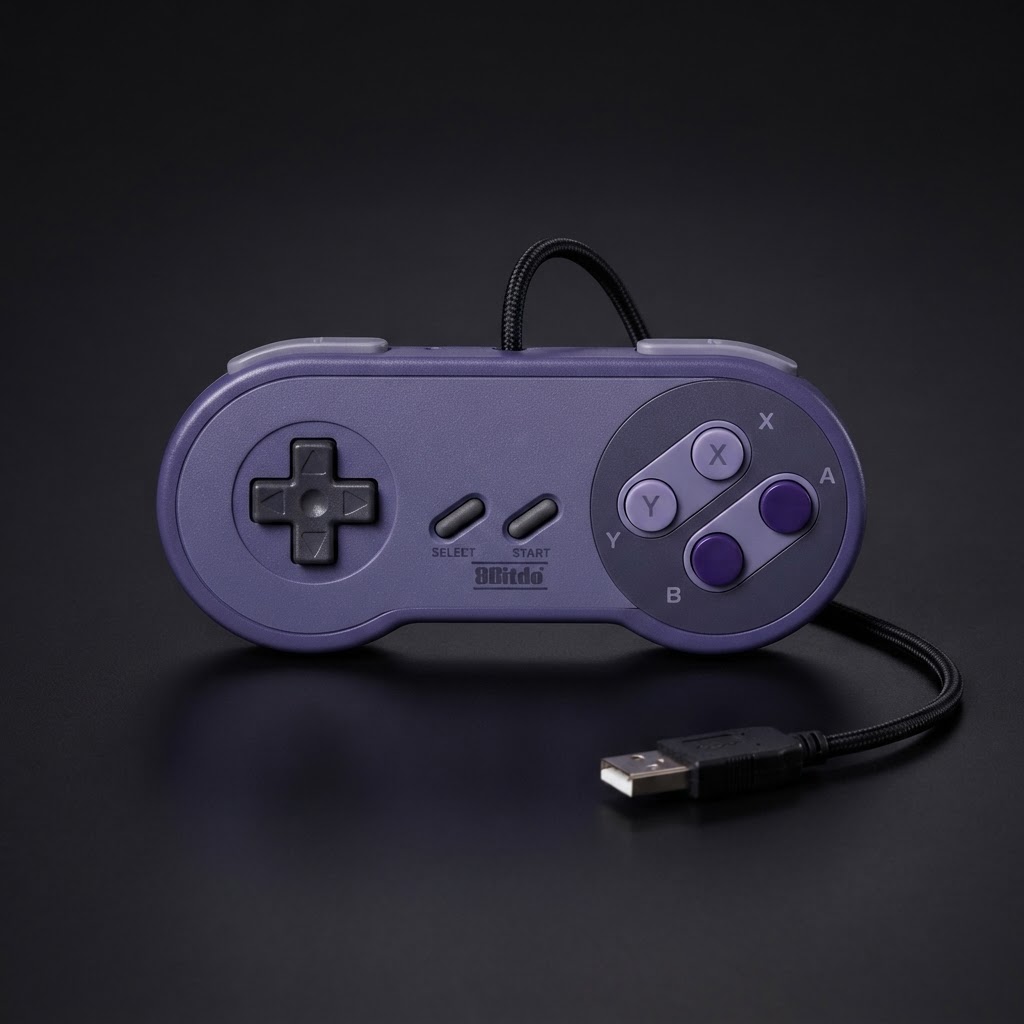
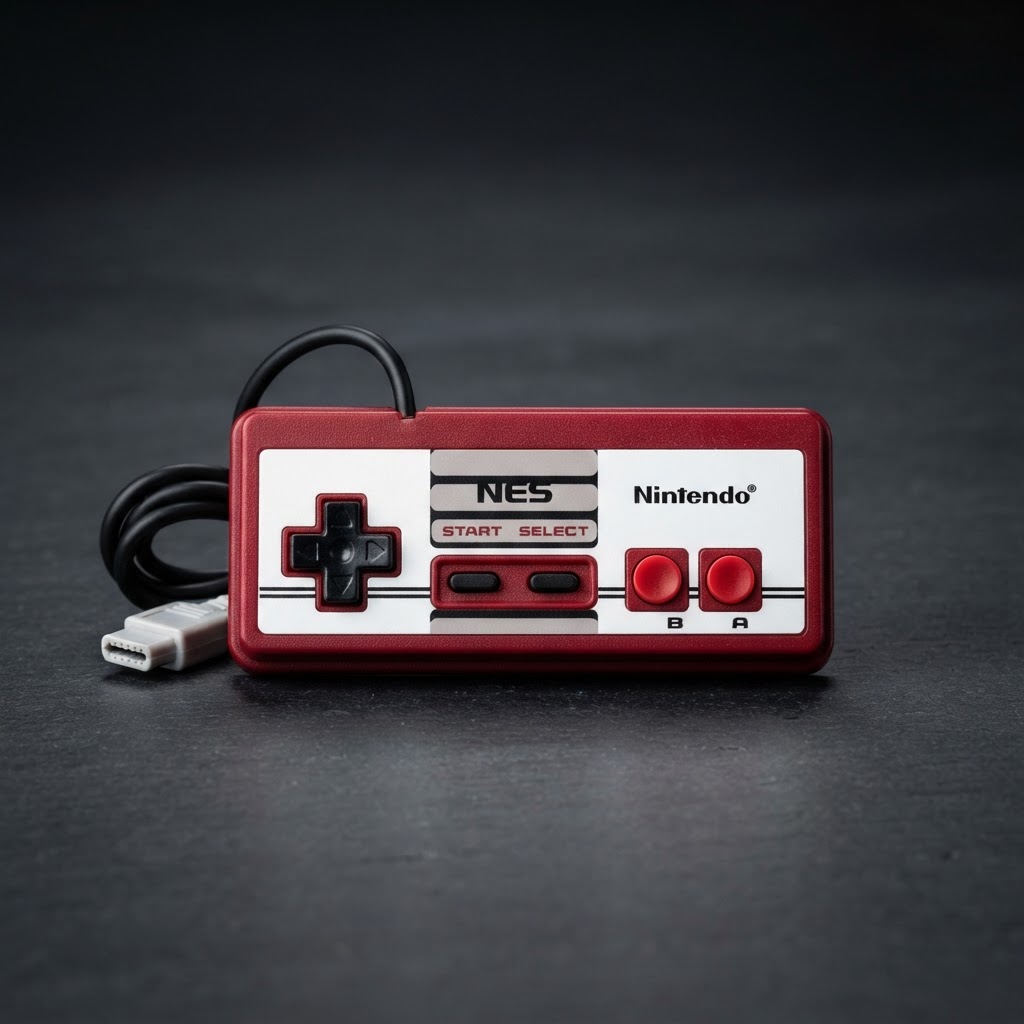
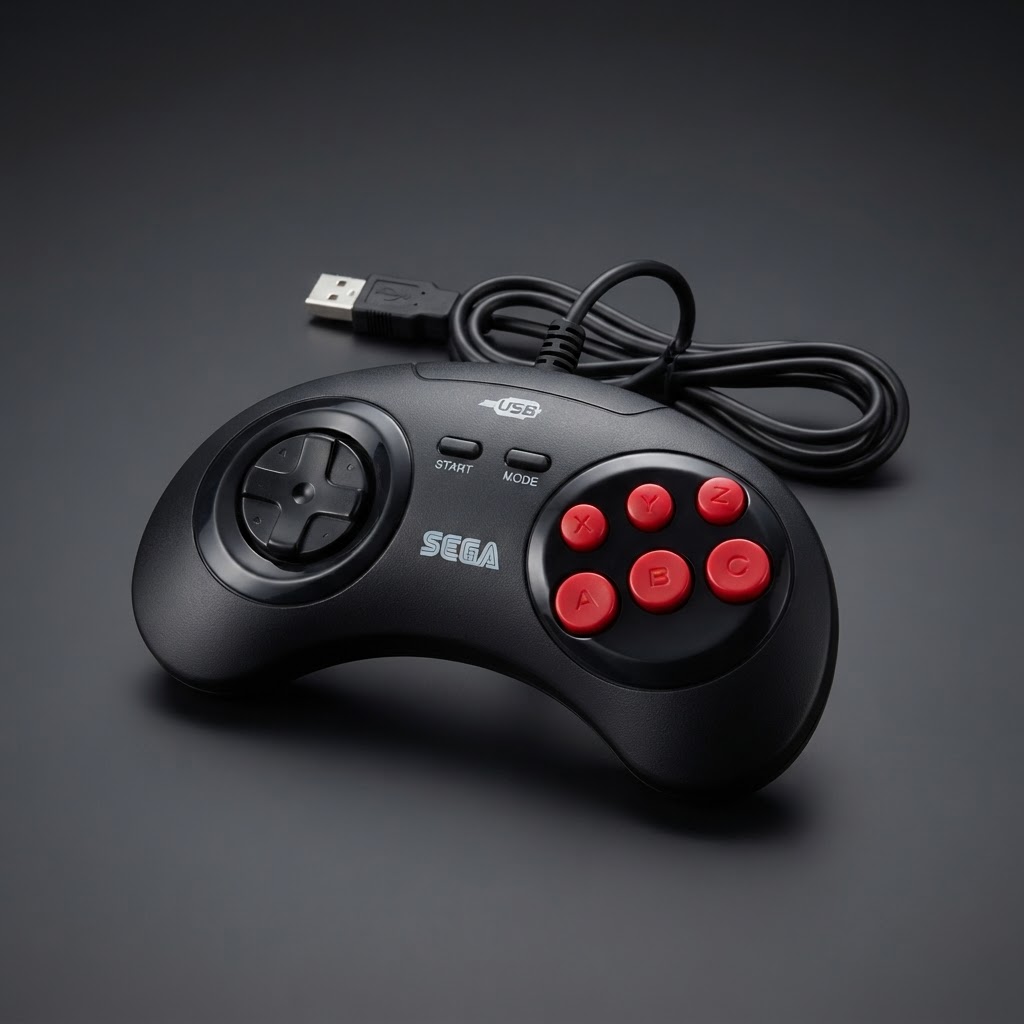
Nintendo's service is simultaneously the most criticized and most essential for serious collectors. The base tier ($3.99/month) gives you NES and SNES libraries. The Expansion Pack ($4.99/month on top, or ~$49.99/year for a family plan) adds Nintendo 64, Game Boy, Game Boy Color, Game Boy Advance, and—crucially—Genesis/Mega Drive titles.
The advanced angle most reviewers miss: Nintendo's emulation quality is frequently inconsistent, and that's actually useful data for collectors. When a title runs poorly on NSO, it often signals unusual hardware behavior in the original cartridge—handy knowledge before you buy. The N64 library, despite the notorious emulation complaints at launch (since partially addressed), includes titles like Banjo-Tooie and Paper Mario that remain expensive in the wild.
Library gaps to note: No Famicom Disk System beyond a handful of titles, no Super Famicom exclusives, no Game Boy Pocket or Color rarities. The curation is conservative and Western-focused.
PlayStation Plus Premium
Best for: Deep PlayStation 1 and PSP library research
Sony's highest tier (~$17.99/month or $119.99/year) is where experienced collectors find genuinely surprising value. The PS1 catalog includes titles running through Sony's proprietary emulator with rewind and save-state features—but more importantly, it includes Japanese-region games with English subtitles that were never localized, like select Armored Core entries and obscure RPGs.
The PSP section is criminally underrated. Titles like Tactics Ogre: Let Us Cling Together (the original PSP version, before the HD remaster changed the mechanics) and Jeanne d'Arc appear here. For collectors, this is a price-discovery tool: if you play a PSP title on Premium and love it, you know whether the $40–$80 physical UMD is worth pursuing.
Collector tip: PlayStation Premium also includes game trials of modern titles, which has zero value to you. Focus the cost-benefit math purely on the classic catalog depth.
Xbox Game Pass Ultimate (with Rare Replay and Backwards Compatibility)
Best for: Rare and Acclaim-era titles; pairing with a portable emulation setup
At ~$14.99/month, Game Pass Ultimate includes Rare Replay—a 30-game compilation covering titles from Jetpac through Banjo-Kazooie—at no extra cost. For collectors, this is the most honest value proposition in the subscription space: a single package that covers an entire publisher's legacy catalog.
The backwards compatibility library (now frozen, with Microsoft no longer adding titles) is still substantial. Collectors will find it valuable for testing OG Xbox and Xbox 360 titles that have spiked in physical price, including original Ninja Gaiden, Panzer Dragoon Orta, and several Treasure-developed titles.
Pairing recommendation: If you're traveling to conventions or swap meets and want a portable research tool, a Steam Deck Handheld Gaming PC running the Xbox app (via cloud streaming) or a standalone emulation build gives you access to your Game Pass library anywhere. The Steam Deck is arguably the most collector-friendly portable device available today for this exact use case.
Antstream Arcade
Best for: Arcade-original research and pre-purchase verification on obscure coin-ops
This is the one most roundups skip entirely, and it's the most niche-appropriate for serious collectors. Antstream (~$9.99/month or $69.99/year) streams over 1,300 classic arcade titles and home computer games—including Amiga, Atari ST, ZX Spectrum, and Commodore 64 titles that appear nowhere else in a legal subscription context.
For collectors focused on Amiga or European home computer software (a growing and expensive segment), Antstream is nearly irreplaceable. You can assess whether a boxed Amiga title is worth its $30–$100+ price tag before buying. The streaming-based delivery means occasional input lag, which matters for fast-action titles but is acceptable for strategy, adventure, and RPG genres.
Evercade VS Subscription Model (Evercade Cartridge Collections)
Best for: Collectors who want physical ownership built into the subscription concept
Evercade isn't a traditional subscription, but it deserves mention here because it's reframing how collectors think about curation. Blaze Entertainment's Evercade cartridges (sold individually, $15–$30 each) function as physical, legally licensed collections of 10–30 games per cart. Atari, Data East, Jaleco, Technōs—many publishers that exist nowhere else in legal modern form appear here.
Why it matters strategically: Owning an Evercade cart is physical ownership of licensed software. For a collector, that has archival and resale implications that a subscription never does. Pairing your Evercade library with a proper Retro Game Cartridge Storage Case keeps your growing cart library organized and protected—especially if you're buying multiple volumes.
Advanced Setup: Maximizing Your Subscription Stack
The experienced collector's optimal stack looks like this:
- NSO Expansion Pack for Nintendo verification and GB/GBA deep dives
- PS Premium for PS1/PSP research
- Antstream for arcade and European home computer access
That's roughly $35–$40/month total, which is less than the price of a single mid-tier cartridge. If you're running any of these through a Custom Retro Gaming PC Build connected to a proper display setup, the experience is significantly better than the out-of-box console versions.
Protecting Your Physical Collection Alongside Your Digital Strategy
Subscription services research new acquisitions; your physical collection is still the core. If you're adding to it, don't neglect maintenance. Replacing aging shells with Retro Game Case Replacement Shells keeps your display-worthy pieces looking sharp, and a good CRT Screen Cleaning Kit is essential if you're still running authentic hardware for the real experience these subscriptions can't fully replicate.
Conclusion: Subscriptions as Collector Intelligence, Not Replacements
The mistake most collectors make is treating subscription services as all-or-nothing propositions. The smarter move is using them as an intelligence layer—a way to audit, research, and enjoy titles in the gaps between physical acquisitions. No subscription gives you the tactile satisfaction of a complete-in-box cartridge on your shelf, but the right stack dramatically sharpens your purchasing decisions.
Start by auditing which platforms in your collection have the most gaps, then subscribe accordingly. And when you're ready to invest in the hardware to run all of this properly, a Steam Deck Handheld Gaming PC is the single most versatile tool for a collector who wants both flexibility and fidelity.