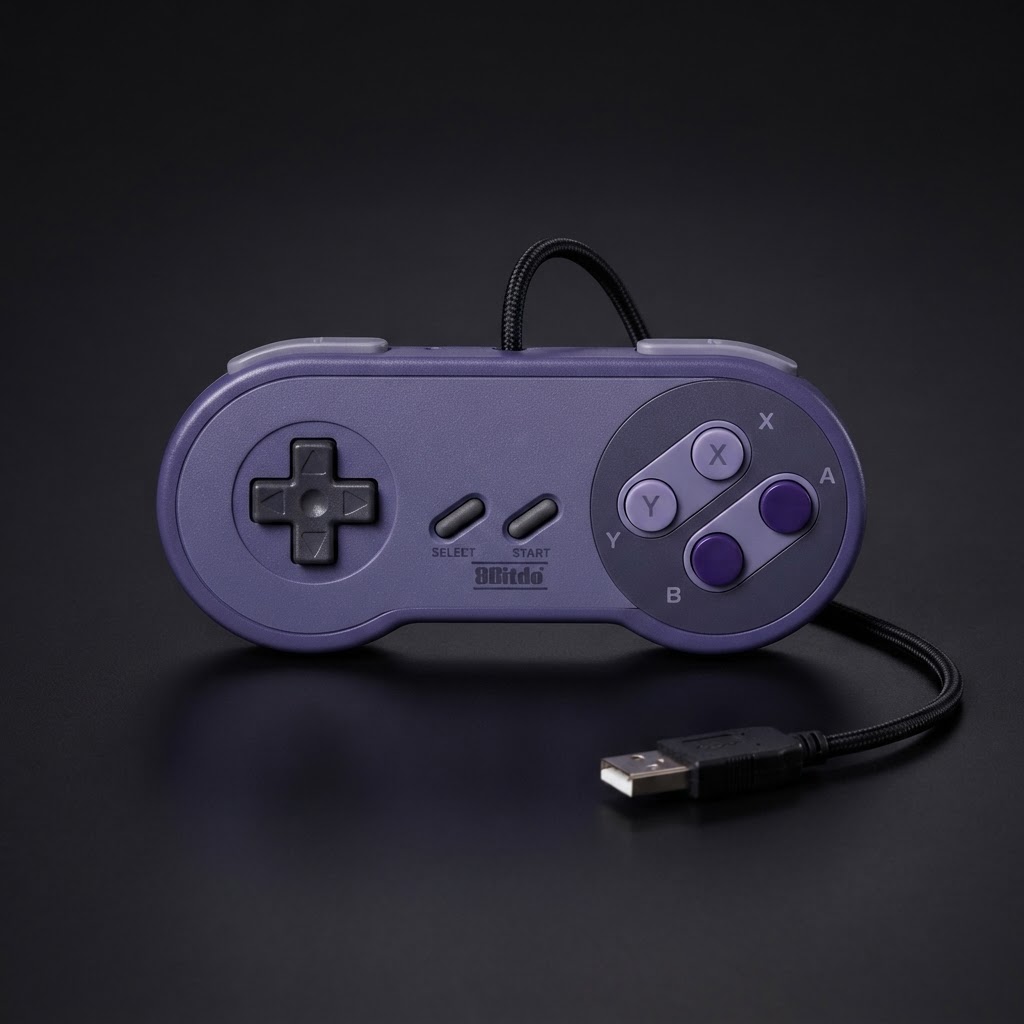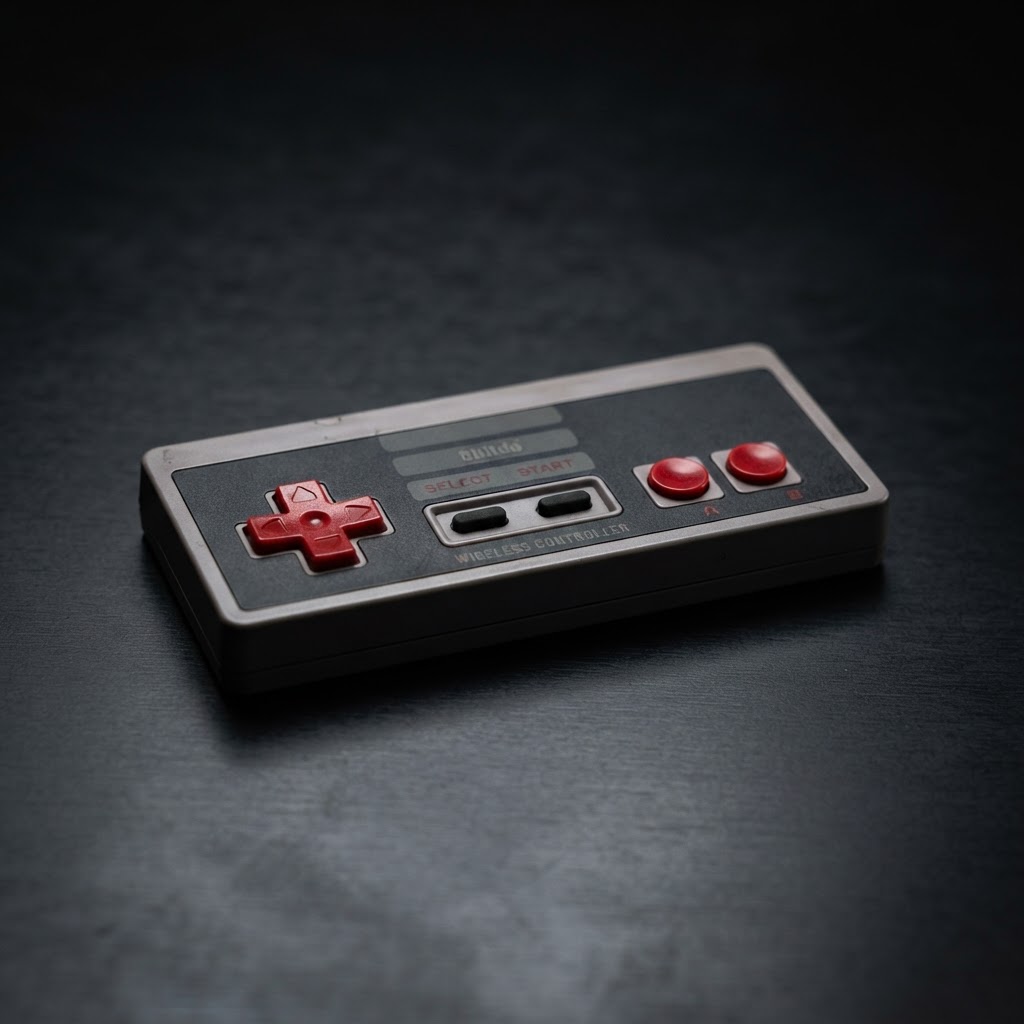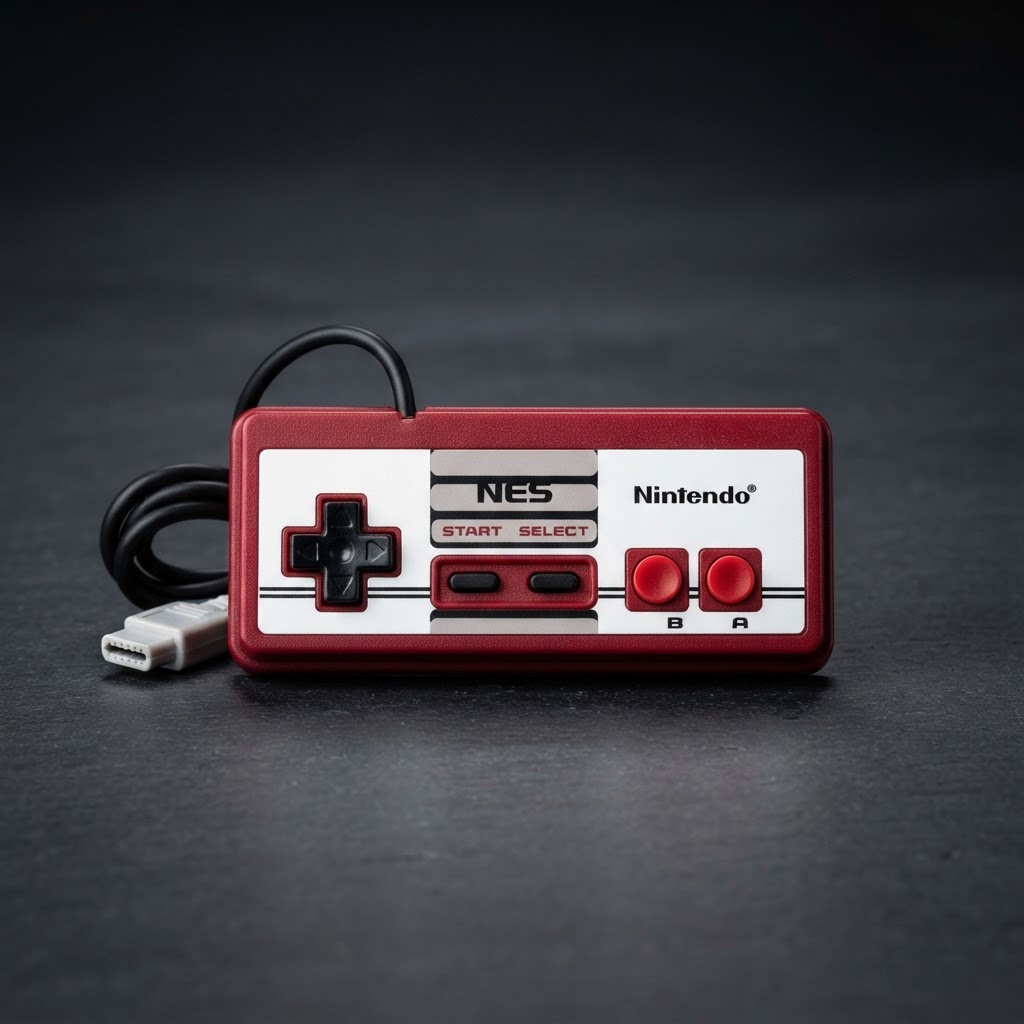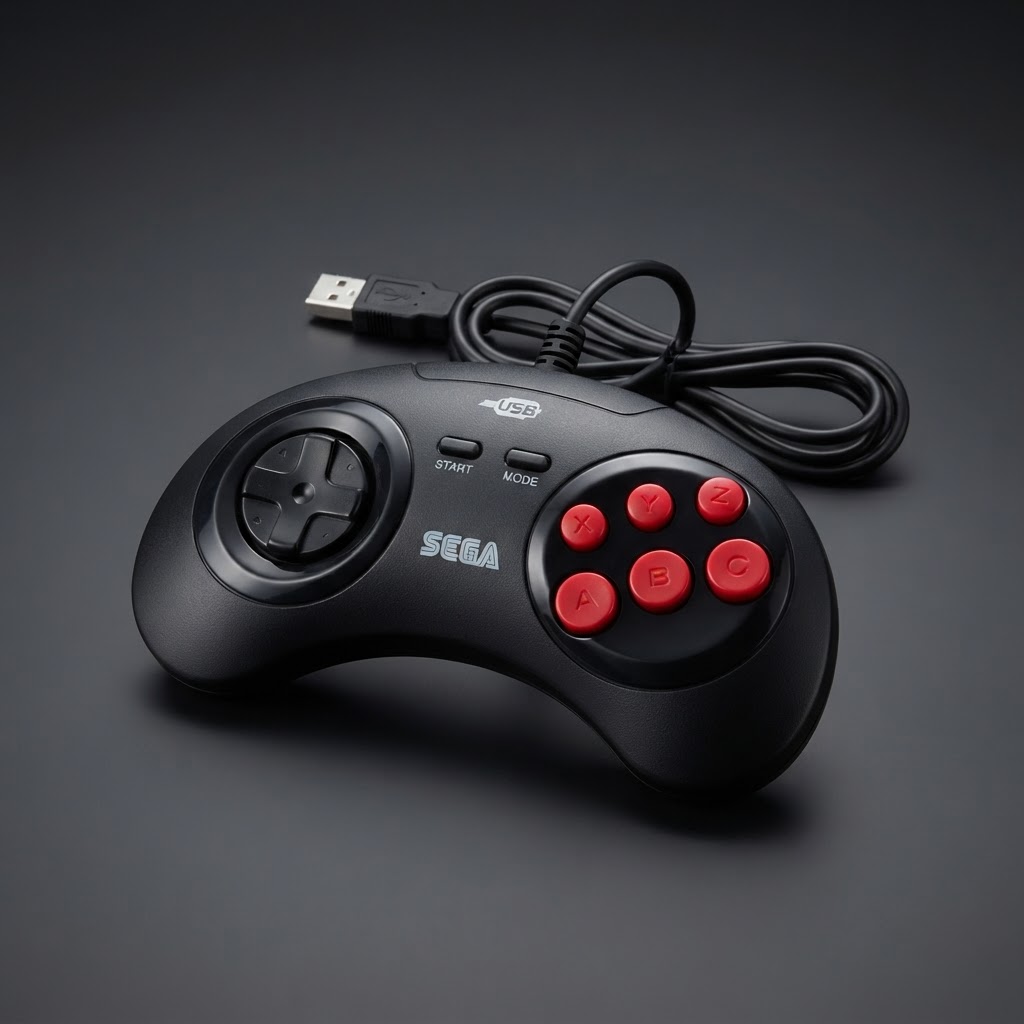
Remember the specific glow of a CRT television at 10 PM on a Friday? Or the tactile click of a cartridge slotting into a console? For a long time, we thought retro gaming was a fleeting phase—a brief moment of nostalgia before we all moved on to photorealistic, cloud-based gaming. But here we are in 2026, and retro gaming is not just surviving; it is thriving, larger and more influential than at any point in history.
The reason isn’t just nostalgia. It is the democratization of hardware and the explosion of the "small-batch" indie scene.
The Shift: From Mainstream Giants to Indie Craftsmanship
In the past, retro gaming was dominated by massive corporations re-releasing "Mini" consoles. Today, the movement has shifted toward modular, open-source, and boutique hardware. Players no longer want a plastic, mass-produced experience; they want precision, customization, and authenticity.
This shift is fueled by a community that treats gaming consoles like fine instruments. We are seeing a boom in hardware modding, where individual creators design parts that surpass original OEM specifications. If you’re refurbishing a classic controller, you don’t just swap in a generic part; you grab a high-quality Replacement Controller Buttons Kit to give your gear that "factory fresh" feel while adding custom color schemes.
Why 2026 is the Peak for Hardware Enthusiasts
The biggest hurdle for retro gaming used to be display technology. Playing a 240p signal on a 4K OLED panel usually results in a blurry, laggy mess. That changed with the rise of affordable, high-end signal processing. Tools like the Open Source Scan Converter (OSSC) have become standard for purists, allowing us to pipe pure, lag-free retro signals into modern displays without losing the crispness that defined the 8-bit and 16-bit eras.
Simultaneously, the "prosumer" market is booming. Gamers are no longer hiding their consoles in drawers. We are seeing a wave of aesthetic-focused gear designed to turn a living room into a shrine. It’s common to see a setup illuminated by an RGB LED Console Display Stand, highlighting the design lineage of classic hardware like the NES, Genesis, or Dreamcast.
The Convergence: Handhelds Meet History
Perhaps the most fascinating trend of 2026 is how we play on the go. The industry has finally realized that players want a unified experience. Handheld gaming PCs, most notably the Steam Deck Handheld Gaming PC, have become the ultimate "retro-in-a-box" solutions. Through the power of emulation and community-driven frontends, enthusiasts are now carrying their entire childhood library in their backpack, effectively killing the divide between "retro" and "modern" hardware.
Building Your Own "Vault"
If you’re looking to join the retro movement in 2026, the barrier to entry is lower, but the ceiling for quality is higher than ever. You don’t need a massive budget to participate; you just need to curate your space with intention.
Start by organizing your physical library properly. Nothing beats the feeling of a tactile shelf, and keeping your collection protected is key to longevity. A dedicated Multi-Game Cartridge Storage Case keeps your physical media safe from dust and damage, ensuring that those classic games survive for the next generation.
The Future is Analog
Why is retro gaming bigger than ever? Because it provides something modern, service-based gaming often lacks: ownership and simplicity. In an era of digital-only licenses and constant updates, retro gaming offers a static, permanent experience that you can hold in your hands.
As we look toward the rest of 2026, expect even more community-led innovation. Whether it’s 3D-printed hardware, custom firmware, or the ongoing quest for the perfect display, the retro community is proving that you don’t need the latest high-fidelity graphics to have the best time. You just need a bit of passion and the right gear to bring those memories to life.
Ready to level up your gaming den? Start by organizing your physical library and protecting your investments with a Multi-Game Cartridge Storage Case.