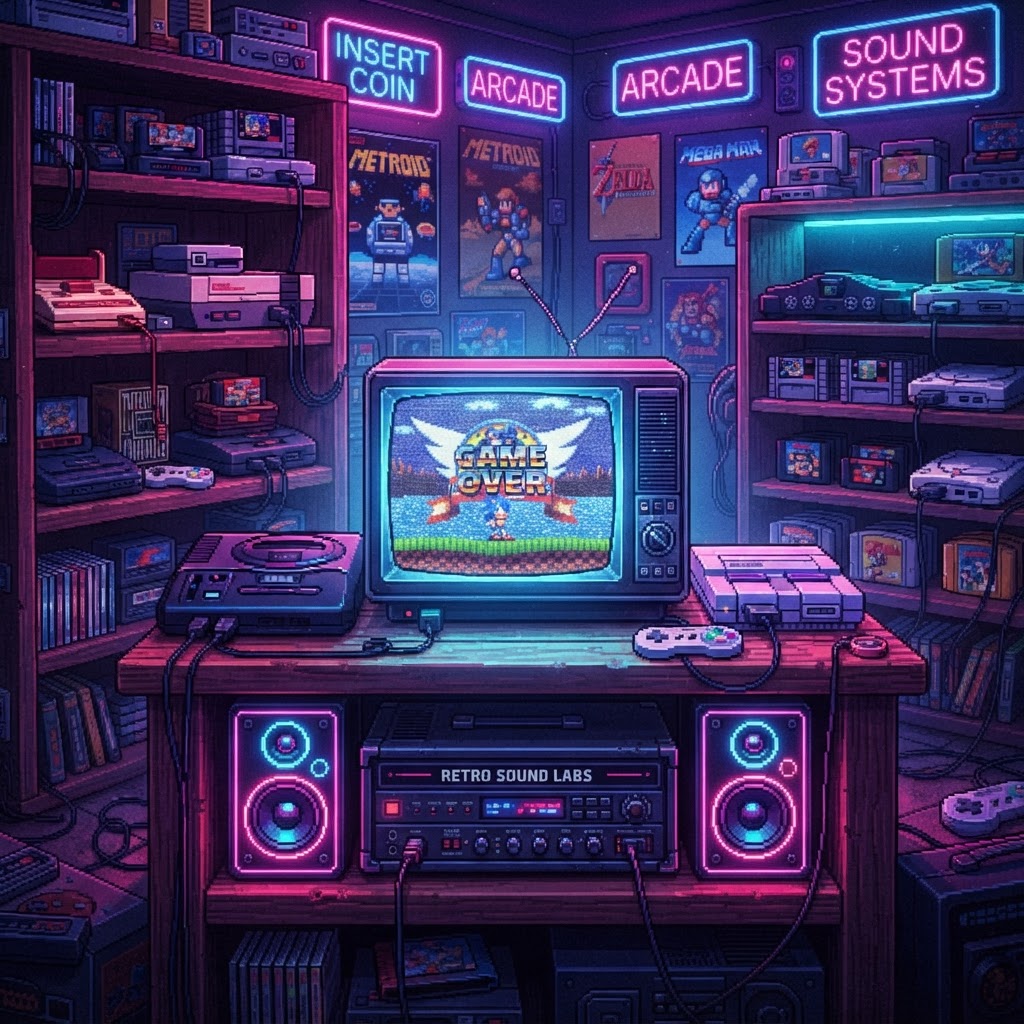
Why Retro Gaming Audio Deserves a Serious Investment
Most retro gaming enthusiasts pour hundreds — sometimes thousands — of dollars into display solutions, console libraries, and accessories. Yet audio is almost always the afterthought. That's a mistake, and an increasingly expensive one to correct later.
The truth is that retro game audio design was extraordinarily sophisticated for its era. Composers like Koji Kondo (Super Mario Bros.), Nobuo Uematsu (Final Fantasy), and Yuzo Koshiro (Streets of Rage) crafted soundtracks that were engineered around specific hardware sound chips — the Ricoh 2A03, the Yamaha YM2612, the SPC700. These aren't "lo-fi" experiences to be tolerated; they're precision-engineered sonic signatures that deserve a sound system capable of rendering them faithfully.
A great speaker setup amplifies that experience. A mediocre one flattens it into noise.
More importantly, investing in high-quality, durable audio gear now pays dividends for 10–20 years, just like investing in quality shelving, proper storage solutions, or a RetroTINK 4K Video Upscaler for your video chain. Your sound system should be built to last.
What Makes a Speaker System Worth Buying for Retro Gaming?
Frequency Response That Honors Chip Tunes
Retro game audio sits primarily in the mid-range (200Hz–5kHz), with punchy bass hits and crisp high-pitched synthesis. You need a system with honest mid-range reproduction, not a heavily bass-boosted consumer speaker that muddies the chip-tune clarity.
Look for:
- Flat or near-flat frequency response (within ±3dB from 60Hz–20kHz)
- Tweeter quality for crisp synthesis tones
- A subwoofer that handles discrete bass events without bleeding into the mids
Build Quality and Longevity
Here's where the investment argument gets concrete. Budget speakers use paper cones, cheap amplifier boards, and plastic cabinets that warp over time. A speaker system built with MDF cabinets, woven fiber or Kevlar drivers, and Class-D or Class-AB amplification will outlast three generations of cheap alternatives.
Brands consistently praised for durability in the audiophile and gaming communities include:
- Audioengine A2+ — Compact, all-wood cabinets, 15W RMS per channel, built-in DAC
- Klipsch ProMedia 2.1 — Legendary longevity record, powerful satellite + subwoofer system
- Edifier R1280DB — Exceptional value-to-durability ratio with optical/coaxial inputs
- Swan D1080-IV — Hi-fi grade near-field monitors at a consumer price point
- Bose Companion 2 Series III — Consistent stereo imaging, known to run for 10+ years with regular use
Connectivity for a Multi-Console Setup
A premium sound investment also needs versatility. If you're running a SNES, Genesis, and PlayStation simultaneously through a switcher, your speakers need multiple input options. Optical, RCA, and 3.5mm inputs are essential.
If you're using a Multi-Console AV Switch Box to manage multiple retro systems, make sure your speakers or receiver can accept the analog output that flows from it. Many collectors route their consoles through an AV switch into a stereo receiver, giving them volume control and input selection in one place — a setup that scales beautifully as your collection grows.
The Best Retro Gaming Speaker Configurations by Setup Type
The Compact Desk Setup (1–2 Consoles, Limited Space)
Best pick: Audioengine A2+ or Edifier R1280DB
For a focused desk setup — a single CRT or small flat panel monitor with one or two consoles — a quality 2.0 powered bookshelf speaker pair is the ideal investment. The Audioengine A2+ in particular has a cult following among both audiophiles and retro gamers for its accuracy and durability.
Pair this with a Retro Console HDMI Converter to route your vintage console's signal cleanly to a modern display, and you have a compact setup with zero compromises.
Investment note: The Audioengine A2+ has held its resale value remarkably well on the used market for over a decade. Buying quality here means you can recoup significant value if you ever upgrade.
The Dedicated Retro Gaming Room (3+ Consoles, Larger Space)
Best pick: Klipsch ProMedia 2.1 or a stereo receiver + bookshelf speaker pairing
The Klipsch ProMedia 2.1 is one of the most historically durable PC/gaming speaker systems ever made. Units from the mid-2000s are still in active daily use — that's real-world proof of longevity. The subwoofer handles Genesis bass lines and SNES percussion with authority, while the satellites maintain crisp separation.
For a larger dedicated room, consider stepping up to a stereo AV receiver (Yamaha, Denon, or Onkyo mid-range models) paired with bookshelf speakers from Klipsch, ELAC, or Polk. This configuration gives you 5–7 input channels, tone controls, and the ability to add a turntable later if you expand into vinyl game soundtracks.
The Arcade-Authentic Setup
For collectors building a genuine arcade feel — MAME cabinets, candy cabs, or a cocktail cabinet setup — the audio goal shifts to accurate reproduction of arcade board sound chips (YM2151, CPS2, etc.). Here, small full-range speakers like the Tang Band W3-1878 full-range drivers in custom-built enclosures are used by serious builders. Pair with a Lepai or Sure Electronics Class-D amplifier board for clean, period-appropriate power.
Maximizing Your Setup: Accessories That Protect Your Investment
A sound system investment doesn't exist in isolation. Your entire retro setup deserves the same long-term thinking.
If you're running original cartridges, regular maintenance is non-negotiable. A Game Cartridge Cleaning Kit keeps your carts reading correctly, preventing the audio dropout and corruption issues that come from dirty contacts — because silence during a boss fight isn't a speaker problem, it's a cartridge problem.
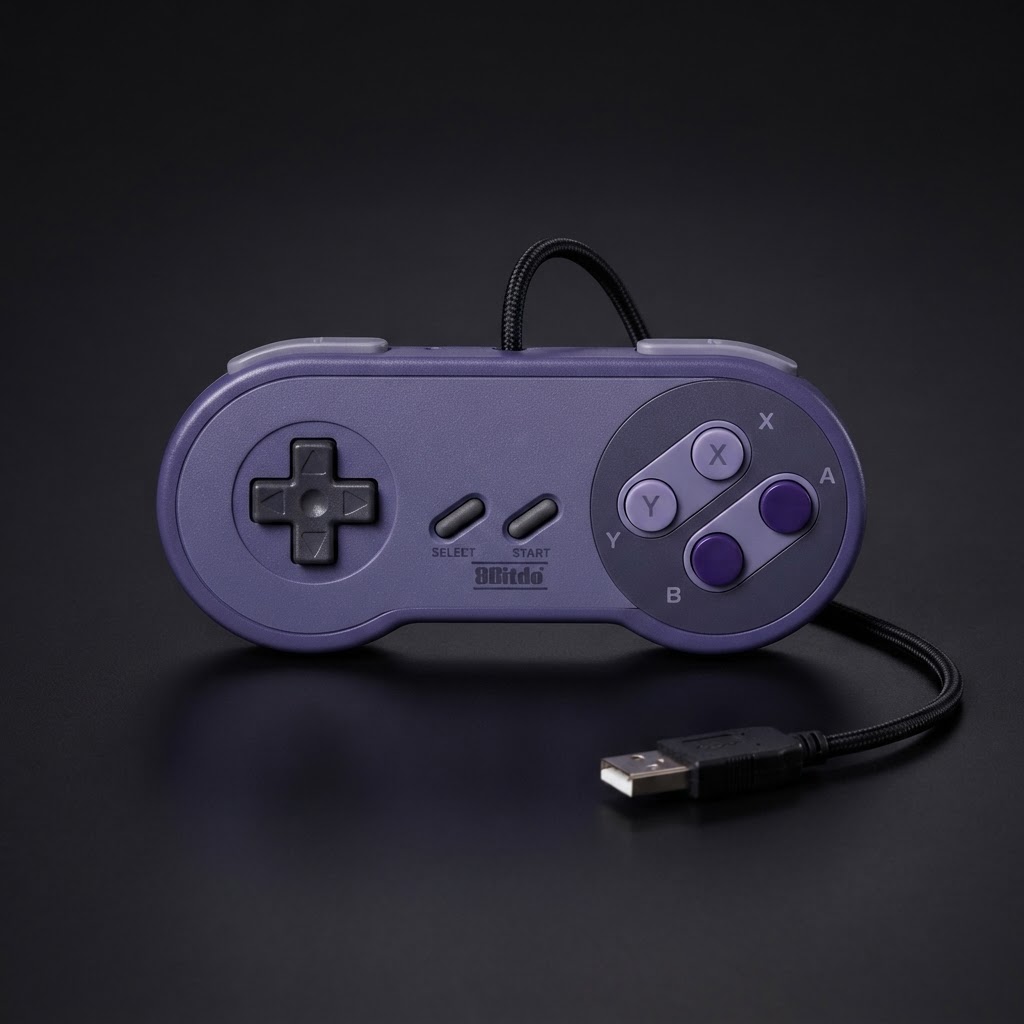
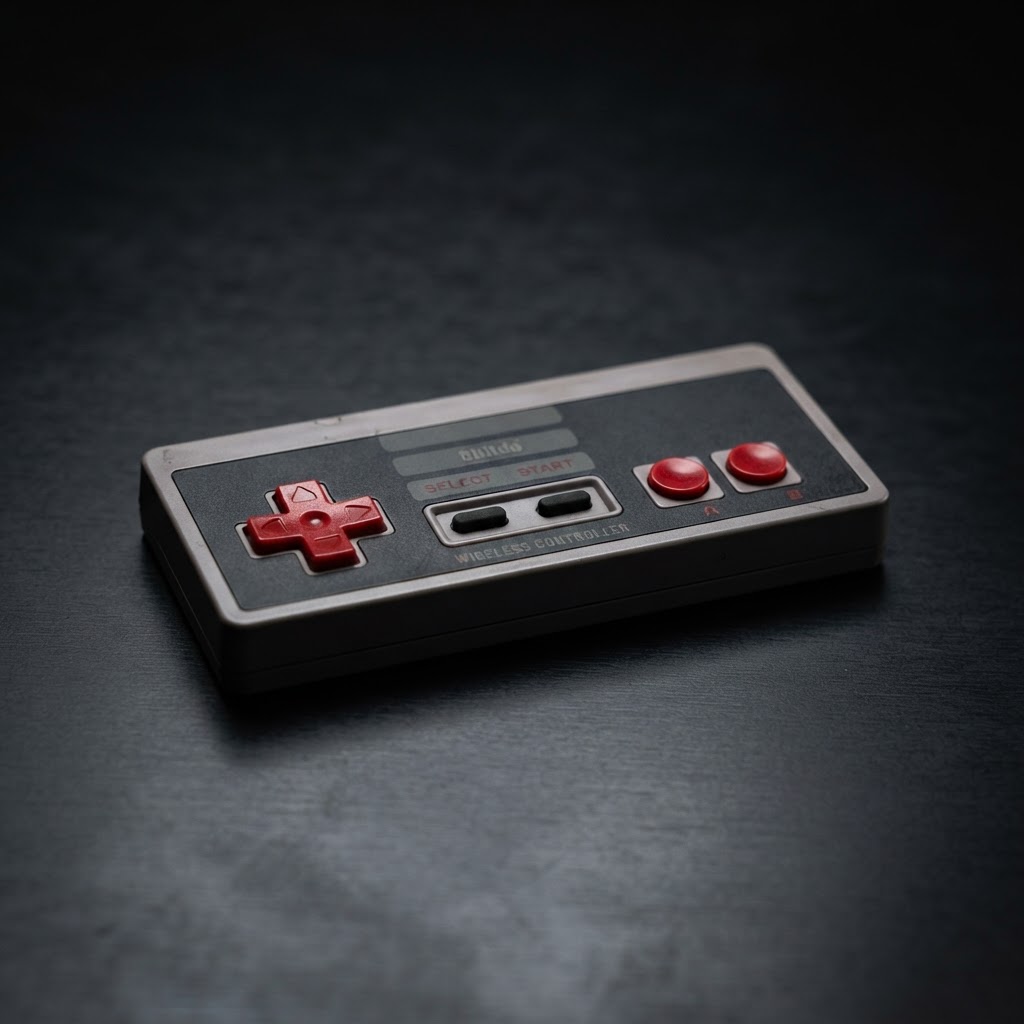
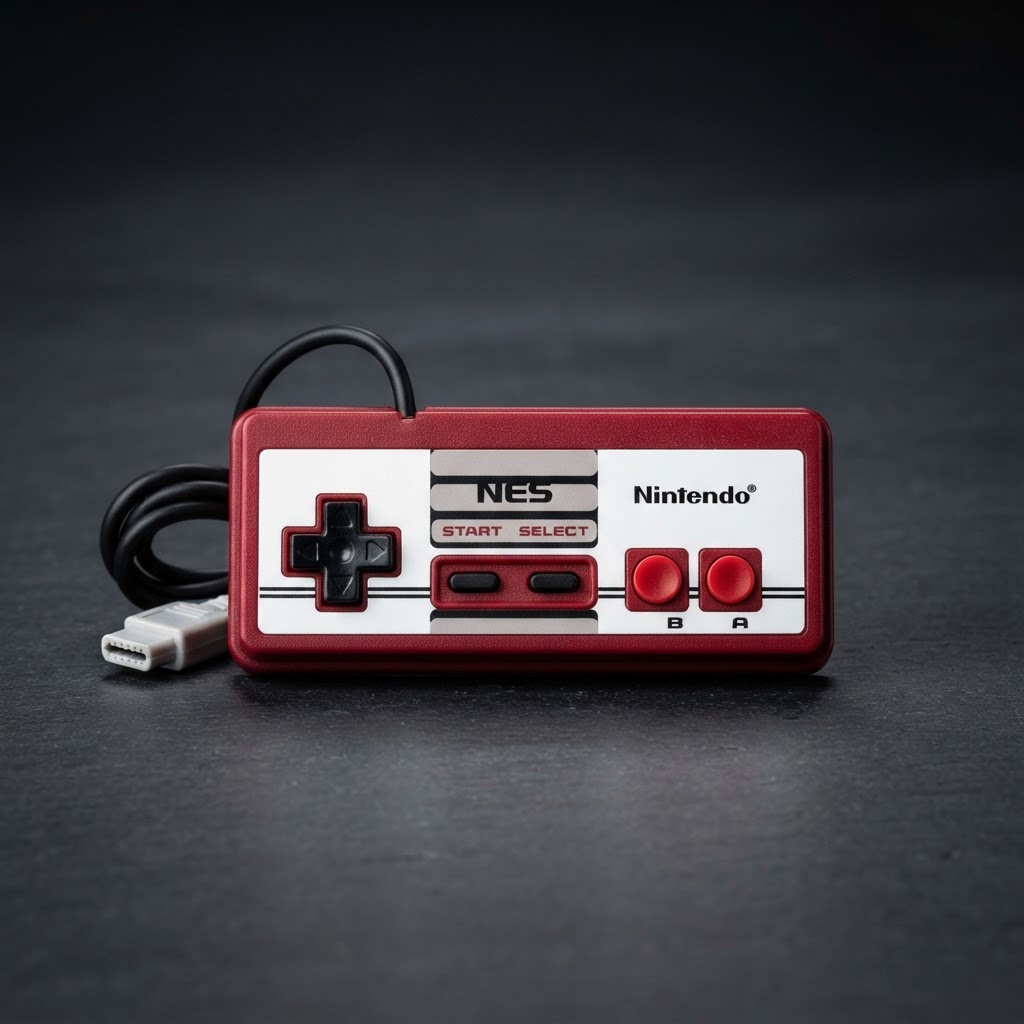
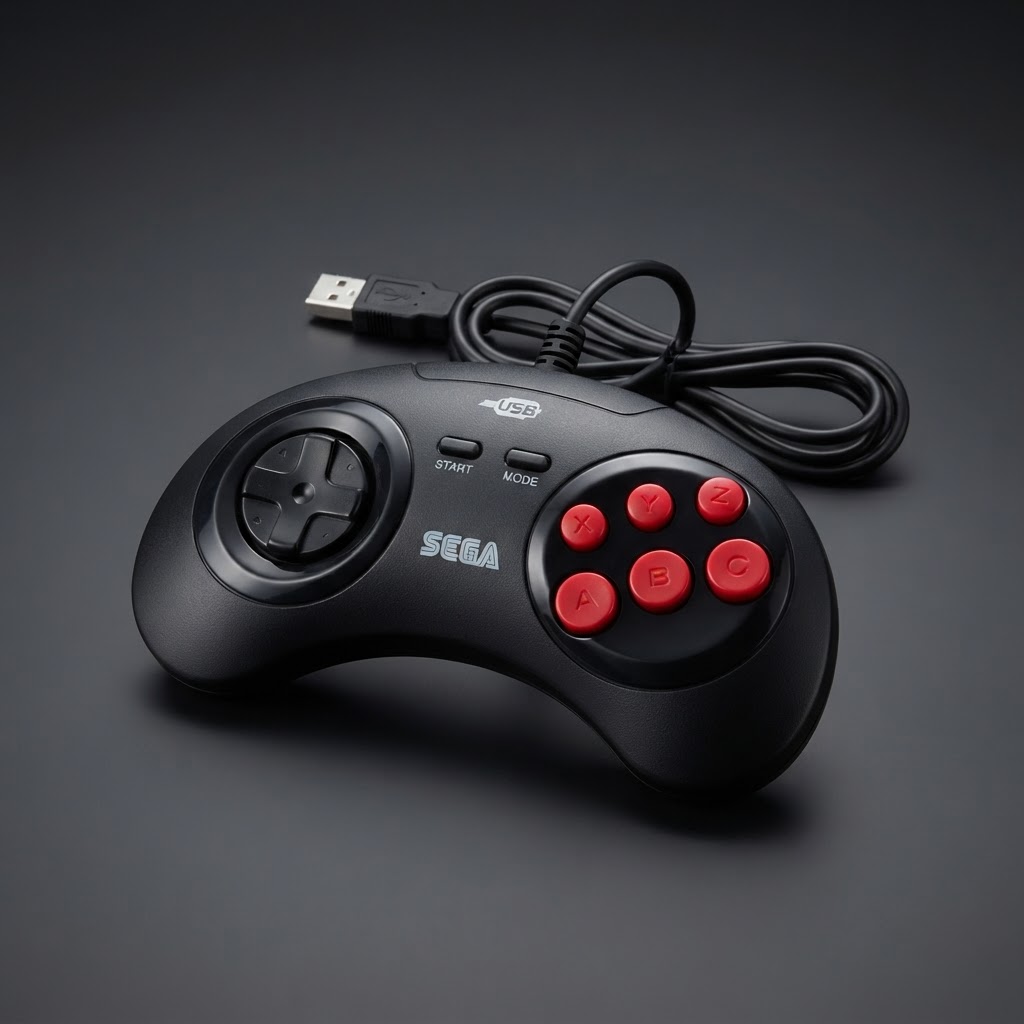
For collectors who transport gear to events, retro gaming meetups, or simply between rooms, a Gamepad Carrying Case protects the controllers that inevitably get thrown in a bag alongside speaker cables. Protecting the full ecosystem extends the life of every component.
How to Evaluate Long-Term Audio Value: A Checklist
Before purchasing any speaker system for your retro setup, ask:
- Driver materials — Woven fiber, aluminum, or Kevlar cones outlast paper by years
- Cabinet construction — MDF or solid wood beats plastic for acoustic integrity and durability
- Amplifier class — Class-D runs cooler and longer; Class-AB offers warmer sound
- Parts availability — Can you replace tweeters or drivers in 10 years? Brands like Klipsch and Audioengine have strong replacement part ecosystems
- Resale value — Check completed eBay listings; durable audio gear holds value remarkably well
- Input flexibility — Optical, coaxial, and analog inputs future-proof the unit across multiple console generations
Conclusion: Invest Once, Play Authentically for Life
The best retro gaming sound system isn't the most expensive one — it's the one built to last, designed to honor the original audio intent of your favorite games, and versatile enough to grow with your collection. Whether you choose a tight desktop pairing or a full stereo receiver setup, buy with durability and longevity in mind.
Start by ensuring your video and audio chain are both optimized. Grab a RetroTINK 4K Video Upscaler for your display signal, and invest in speakers that will still be delivering those legendary chip-tune soundtracks in 2035. Your future self — and your collection — will thank you.