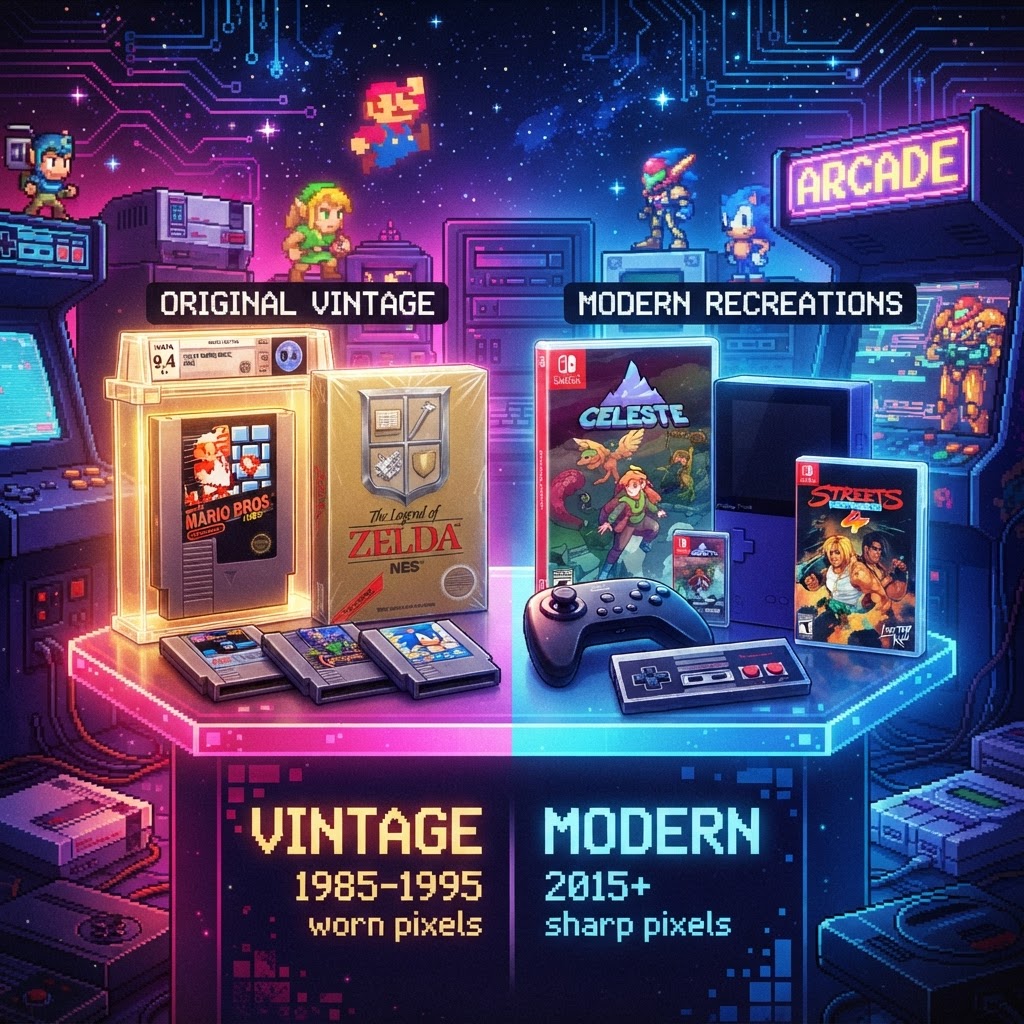
Why Game Grading and Sealed Collecting Have Exploded
The retro gaming collecting market has transformed from a niche hobby into a serious investment landscape. In 2021, a sealed copy of The Legend of Zelda sold for $870,000 at Heritage Auctions. That headline alone sent thousands of collectors scrambling to understand what makes a game "gradeable," how professional grading works, and — critically — whether the games they're eyeing are authentic originals or modern reproductions.
This guide answers all of that. But we're also tackling the question that doesn't get enough attention: when does it actually make sense to buy original vintage hardware and sealed games versus embracing high-quality modern recreations? The answer might surprise you.
Understanding Game Grading: The Basics
What Is Professional Game Grading?
Professional game grading is the process of having a third-party service evaluate and encapsulate a video game in a tamper-evident case with an assigned condition score. The two dominant graders are:
- Wata Games — Known for grading cartridges, discs, and boxed games with a numeric scale (0.5–10) and seal rating (A++, A+, A, B, C).
- VGA (Video Game Authority) — The original grader, using a 0–100 scale, widely respected for older submissions.
A graded game earns its score based on box condition, seal integrity (for sealed copies), cartridge/disc condition, and included inserts. Even a minor crease on a corner can drop a game from a 9.6 to an 8.5 — a difference that can represent thousands of dollars in value.
What Graders Actually Look For
Graders inspect:
- Box integrity — Corners, edges, and printing quality
- Seal condition — Original shrink wrap must be present and intact for sealed grades
- Cartridge or disc quality — Label condition is crucial here; even minor fading hurts the score
- Completeness — Manuals, inserts, registration cards, and posters add value
If you're building a collection that may eventually be graded, how you store your games today matters enormously. A Multi-Game Cartridge Storage Case keeps cartridges separated and protected from UV exposure, humidity, and the physical scuffs that tank grades.
Original Vintage Hardware vs. Modern Recreations: The Core Debate
This is where sealed collecting gets philosophically interesting. As a collector, you're constantly choosing between two worlds.
The Case for Original Vintage Hardware
Original hardware is irreplaceable. A 1985 Famicom Disk System, a factory-sealed Earthbound with its scratch-and-sniff inserts, or an original Game Boy with its original box — these are time capsules. Grading services exist specifically to certify their authenticity and preserve their condition.
Advantages of originals:
- Genuine investment and resale value
- Authentic historical provenance
- Gradeable by Wata or VGA
- Emotionally irreplaceable for serious collectors
Disadvantages:
- High and rapidly rising prices
- Risk of counterfeits (especially for sealed NES/SNES games)
- Degradation over time — original capacitors fail, batteries die, labels peel
For display-focused collectors who want their setup to look incredible, pairing graded games with a Retro Gaming Wall Art Poster Set creates a stunning museum-quality wall that honors both the games and the era.
The Case for Modern Recreations and Re-releases
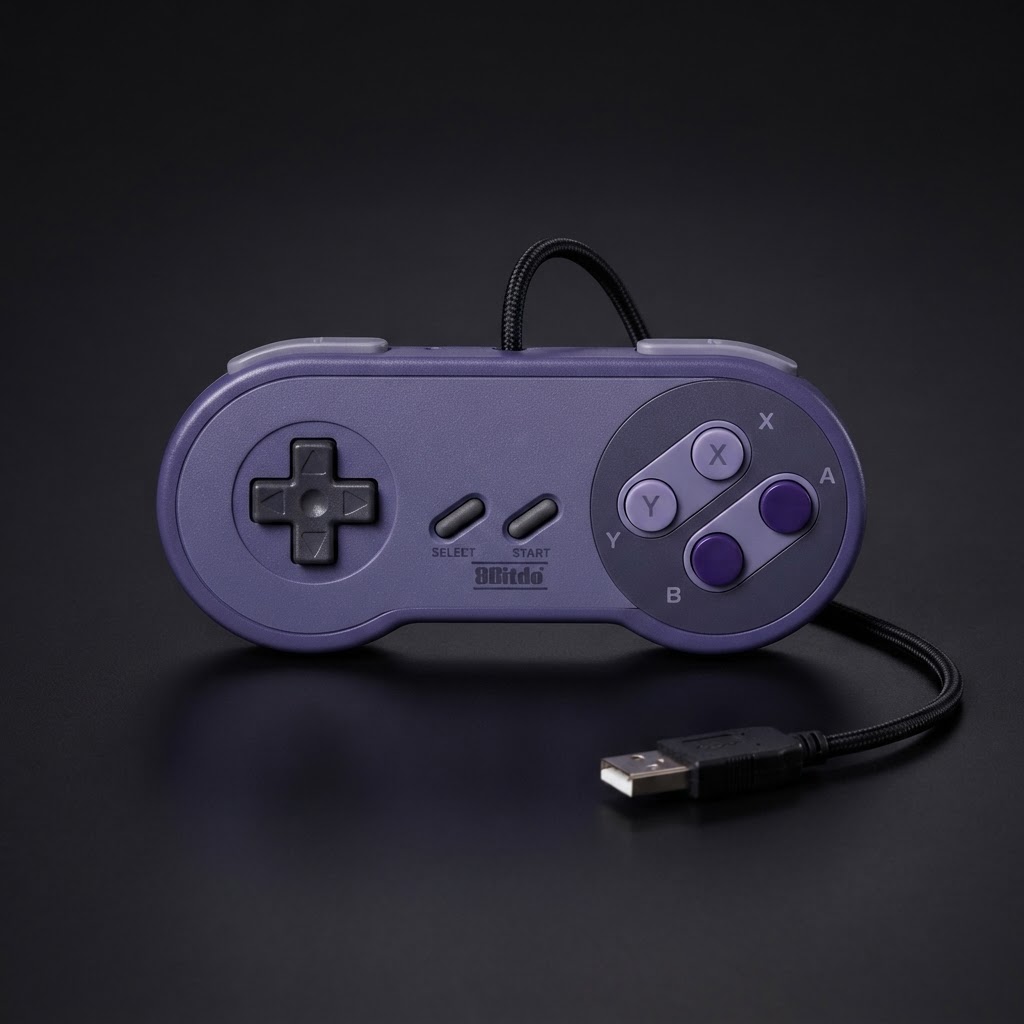
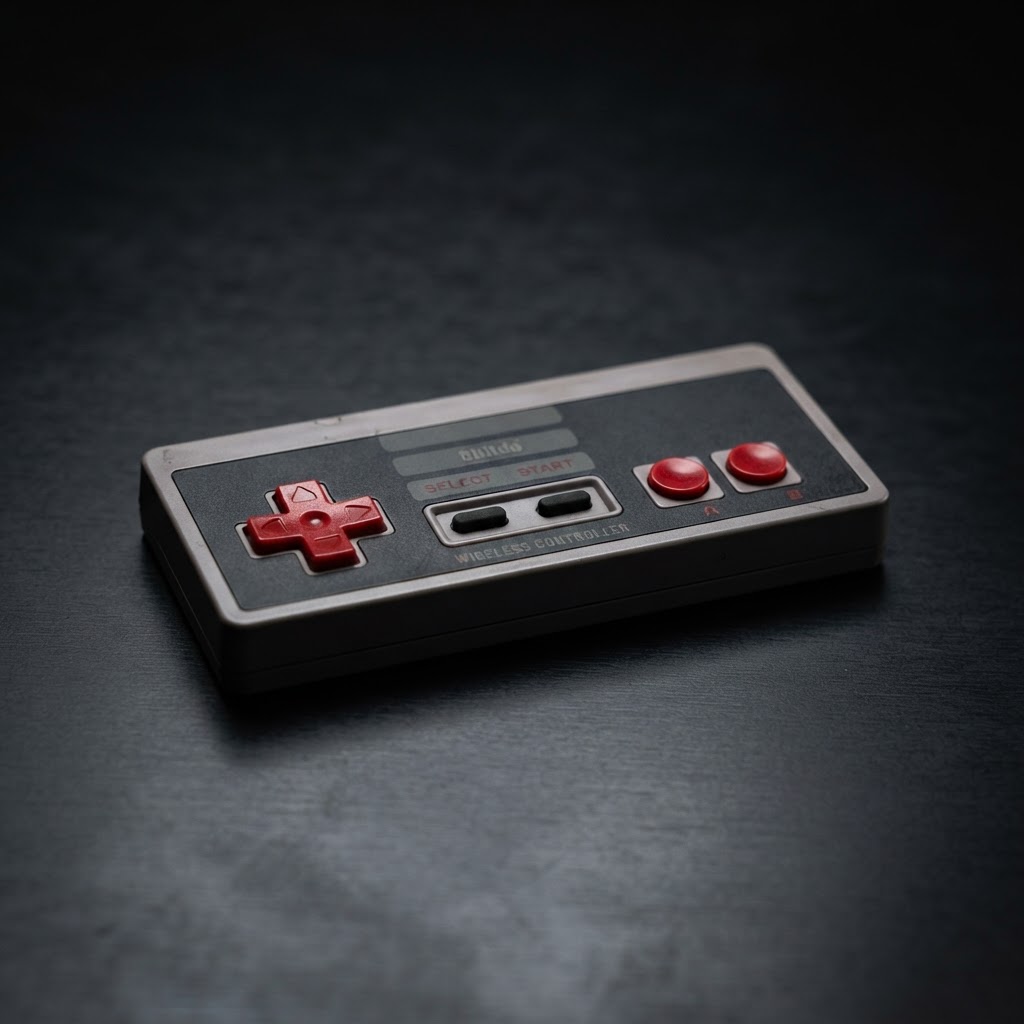
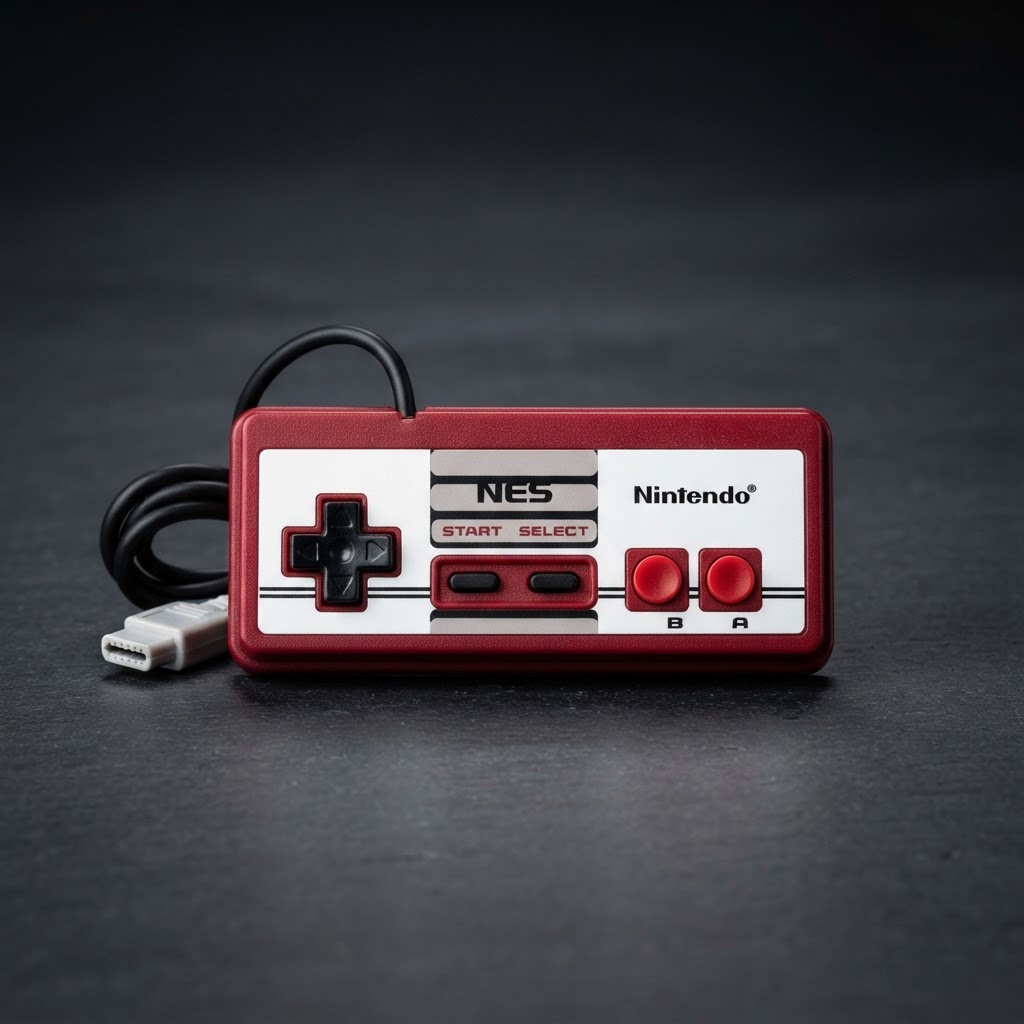
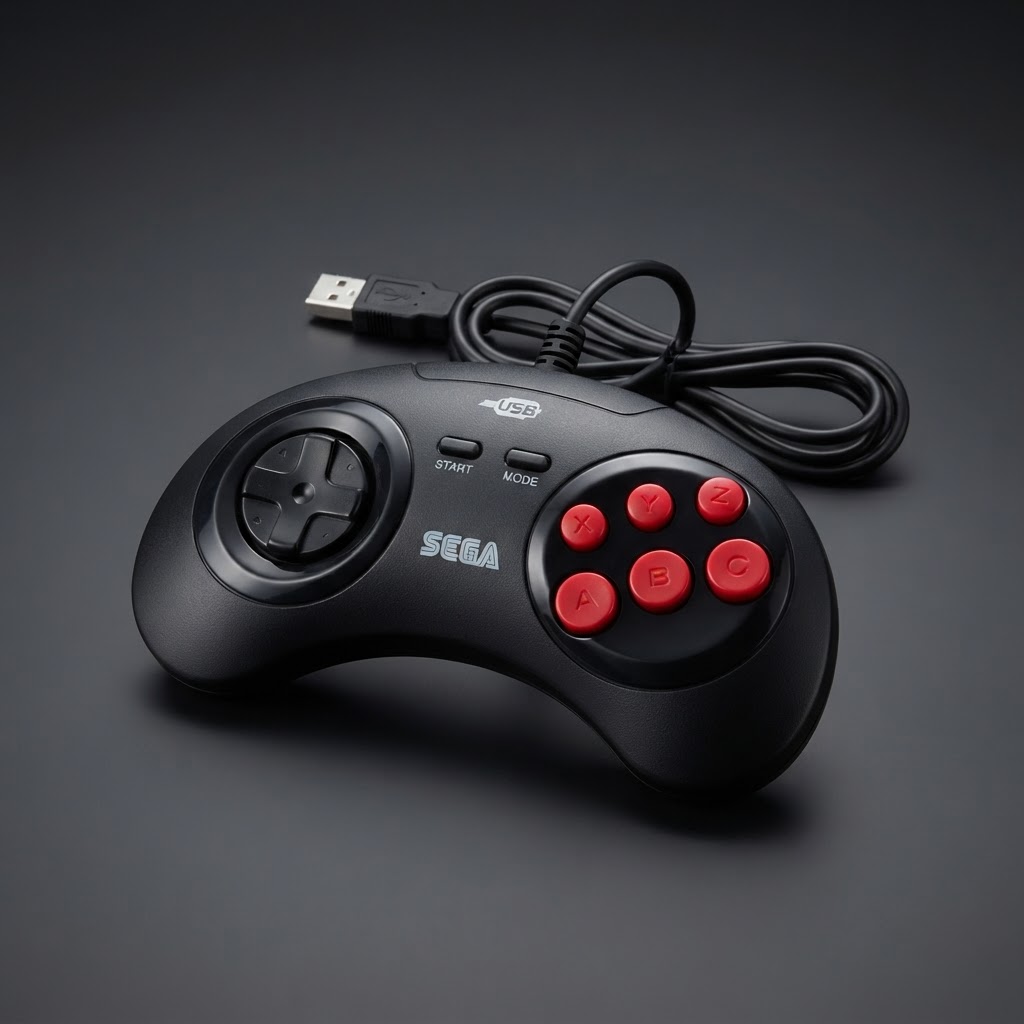
Modern recreations — think the Nintendo Switch Online library, the Analogue Pocket, MiSTer FPGA systems, or official mini consoles — offer something original hardware simply cannot: reliability, accessibility, and playability without risk.
Advantages of modern recreations:
- Zero risk of damaging a collectible
- HDMI output, save states, and modern convenience
- Far more affordable entry point
- Perfect for actual playing rather than display
Disadvantages:
- Zero grading or investment value
- May lack the tactile authenticity purists crave
- Software licensing can expire or change
The honest truth? For playing, modern recreations win. For collecting and investing, originals win. The smartest collectors do both — they play on modern hardware and collect sealed originals for the shelf.
If you're taking your retro setup on the road (to retro gaming expos, collector meetups, or a friend's place), a Retro Console Travel Bag keeps your gear protected whether you're carrying a classic SNES or a modern mini console.
How to Spot Counterfeit Sealed Games
Counterfeiting is the dark side of sealed collecting's rise. Here's what separates authentic sealed games from fakes:
Shrink Wrap Tells
- Original Nintendo shrink wrap has a distinctive pattern — it doesn't lay perfectly flat and shows minor wrinkling at corners
- Resealed games often have seams that are too clean or heat marks from a hobby sealer
- The H-seam (used by Nintendo) is different from a standard poly-wrap overlap
Label Authentication
Reproductions exist for cartridges too. Fake labels are often too bright, use incorrect fonts, or have slightly wrong logo proportions. If you're restoring a legitimate cartridge (not for grading purposes), Game Cartridge Labels & Stickers are widely available — but understand that installing reproduction labels on a cart you intend to grade will destroy its authenticity value.
Board Authenticity
For cartridge-based games, opening the shell (voiding grade potential) reveals the PCB date codes. A legitimate 1987 game has board manufacturing dates that match. Fake carts often use modern boards or mismatched dates.
Building a Graded Collection: Practical Strategy
Which Games Are Worth Grading?
Not every game warrants professional grading fees ($30–$100+ per submission). Focus on:
- Black box NES titles — especially early print variants
- Complete-in-box RPGs — Chrono Trigger, EarthBound, Final Fantasy III
- Sealed variants with regional exclusives
- Licensed tie-ins with limited production runs
Display Your Collection Properly
A graded slab is a conversation piece and an investment. Show it off correctly. Use a Universal Game Controller Wall Mount to display authentic controllers alongside your graded games, and add Retro Gaming Wall Decals to build a dedicated collector's room that respects the aesthetic of the era you're celebrating.
Should You Buy Graded Games or Grade Your Own?
Buying pre-graded games from reputable auction houses (Heritage, eBay's verified listings) offers immediate certification. Grading your own is slower but can unlock significant upside if you find undervalued sealed copies at estate sales, thrift shops, or storage unit auctions.
Final Verdict: Original Vintage or Modern Recreation?
Here's the bottom line for every type of collector:
- Investors and serious collectors → Pursue original sealed hardware. Grade everything potentially valuable. Store meticulously.
- Players who love the feel of retro → Modern recreations and mini consoles like the Limited Edition Retro Console Bundle offer the nostalgia without the anxiety of damaging a $500 cartridge.
- Hybrid collectors → Play on recreations, display originals. Best of both worlds.
The graded collecting market rewards patience, knowledge, and proper preservation. Whether you're just starting or upgrading your setup, the tools and knowledge to do it right are all within reach.
Start protecting your collection today — grab a Multi-Game Cartridge Storage Case and make sure everything you own is stored the way a future grader would want to see it.