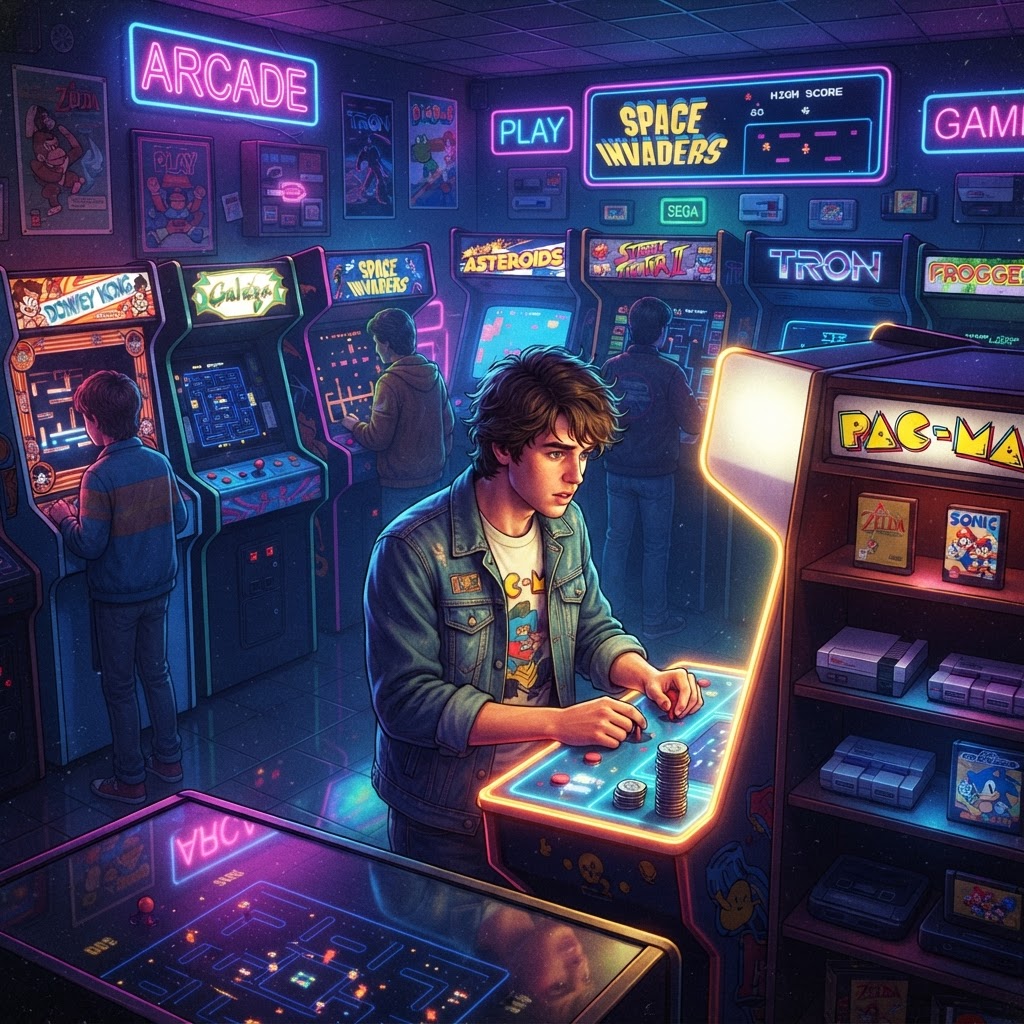
The air smelled like ozone and cheap pepperoni, the floor was sticky with spilled soda, and the only light in the room came from the mesmerizing glow of CRT monitors. If you were a kid in the early 1980s, the local arcade wasn't just a place to play—it was a pilgrimage. This was the Golden Age of Arcade Games, a period roughly spanning from 1978 to 1983 that transformed video games from a niche curiosity into a global obsession.
What Made the Golden Age Special?
The magic of the arcade wasn't just in the pixels; it was in the social stakes. Unlike today’s online multiplayer, where you sit in the safety of your own living room, the arcade was a performative space. When you stood behind someone playing Galaga or Pac-Man, your status was determined by how many quarters you could stack on the marquee.
Technological constraints actually fueled this creativity. Developers couldn't rely on cinematic cutscenes or massive open worlds; they had to build "gameplay loops" that were instantly understandable but infinitely deep. You had sixty seconds to prove your worth, or your game was over. This "easy to learn, impossible to master" philosophy is the bedrock of what makes retro gaming so enduringly satisfying today.
The Technological Vibe: Sound and Vision
Part of the reason we obsess over this era is the sensory experience. That iconic chiptune music didn't just sound like music; it sounded like the future. If you want to relive those sonic memories, grabbing a Premium Vinyl Game Soundtrack Box Set is the best way to bring that authentic, analog warmth into your home office or listening room.
Of course, the visuals were just as distinct. Those heavy, curved glass displays defined our childhoods. If you are lucky enough to still have an original setup, keeping those screens clear is vital for the visual experience; using a proper CRT Screen Cleaning Kit will ensure that the phosphors stay bright and the scanlines remain crisp for your next retro session.
Bringing the Arcade Experience Home
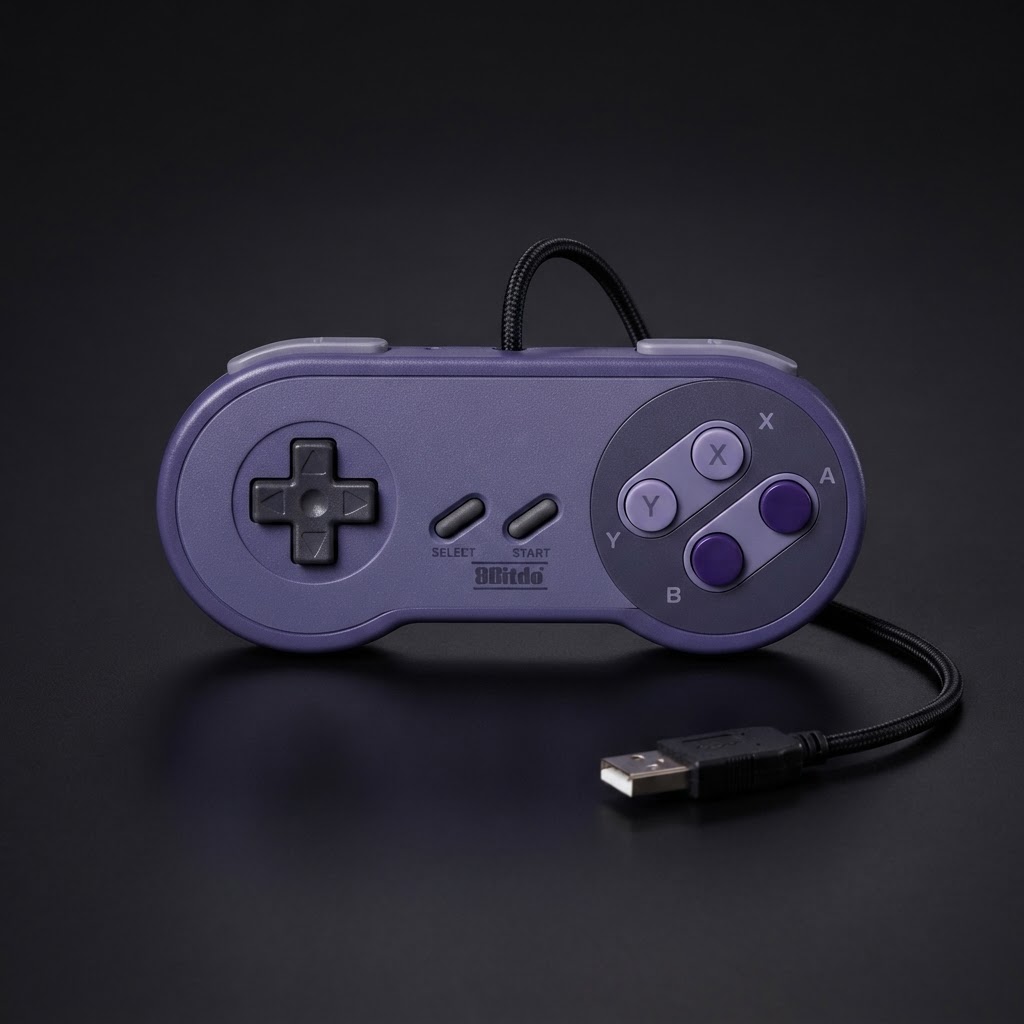
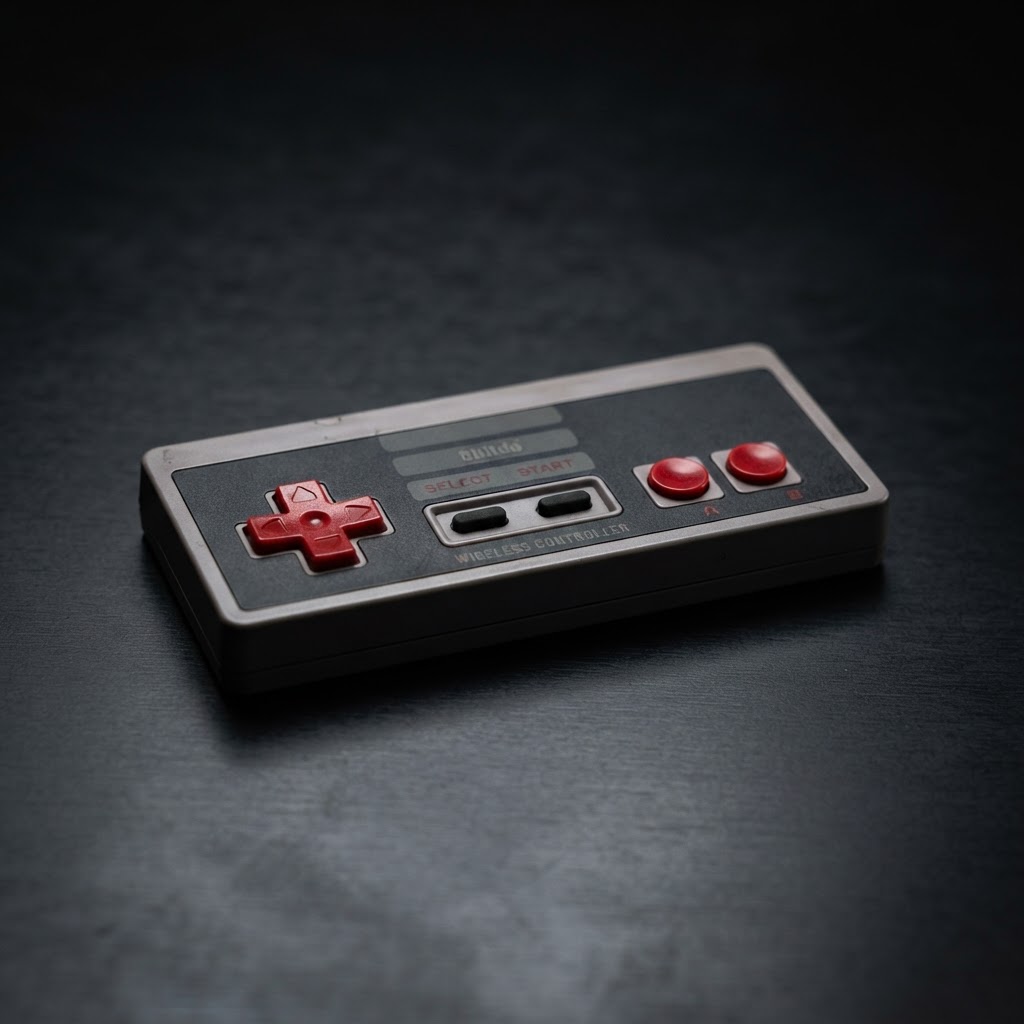
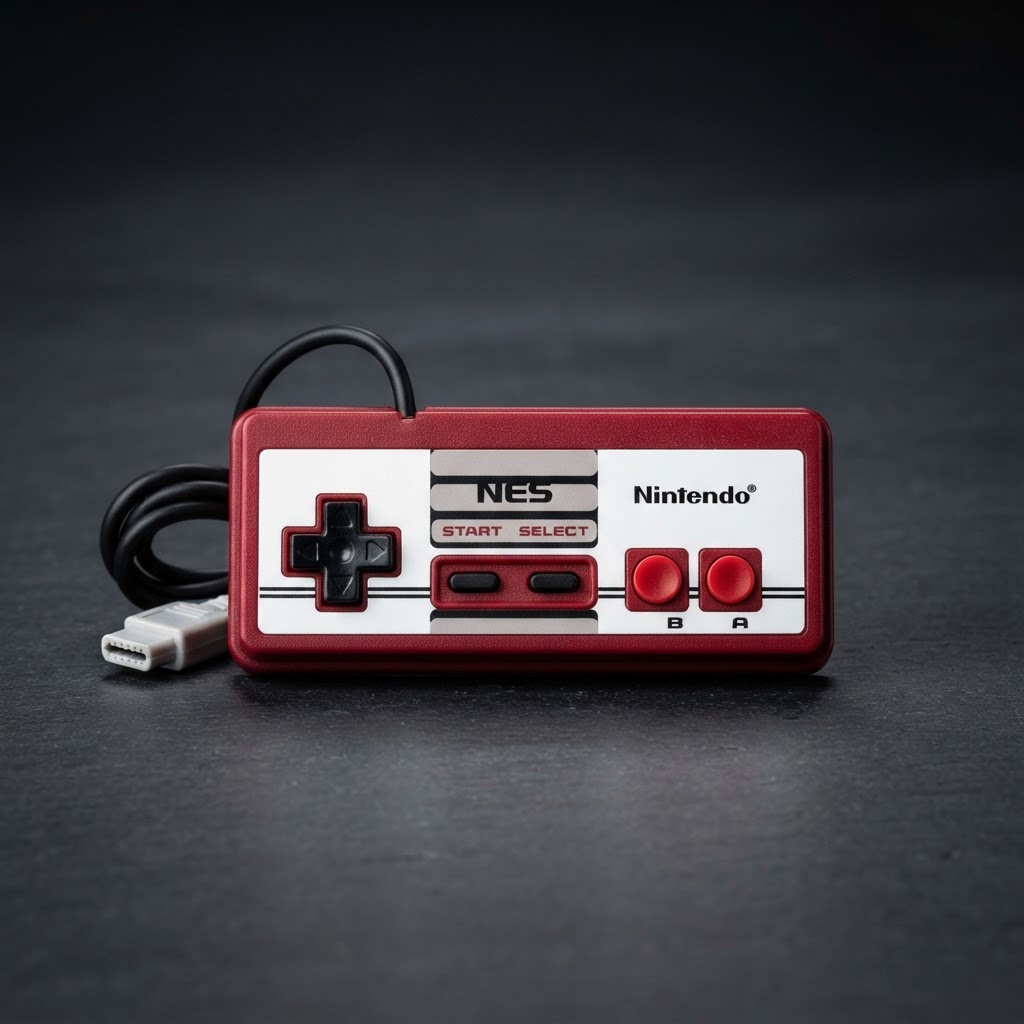
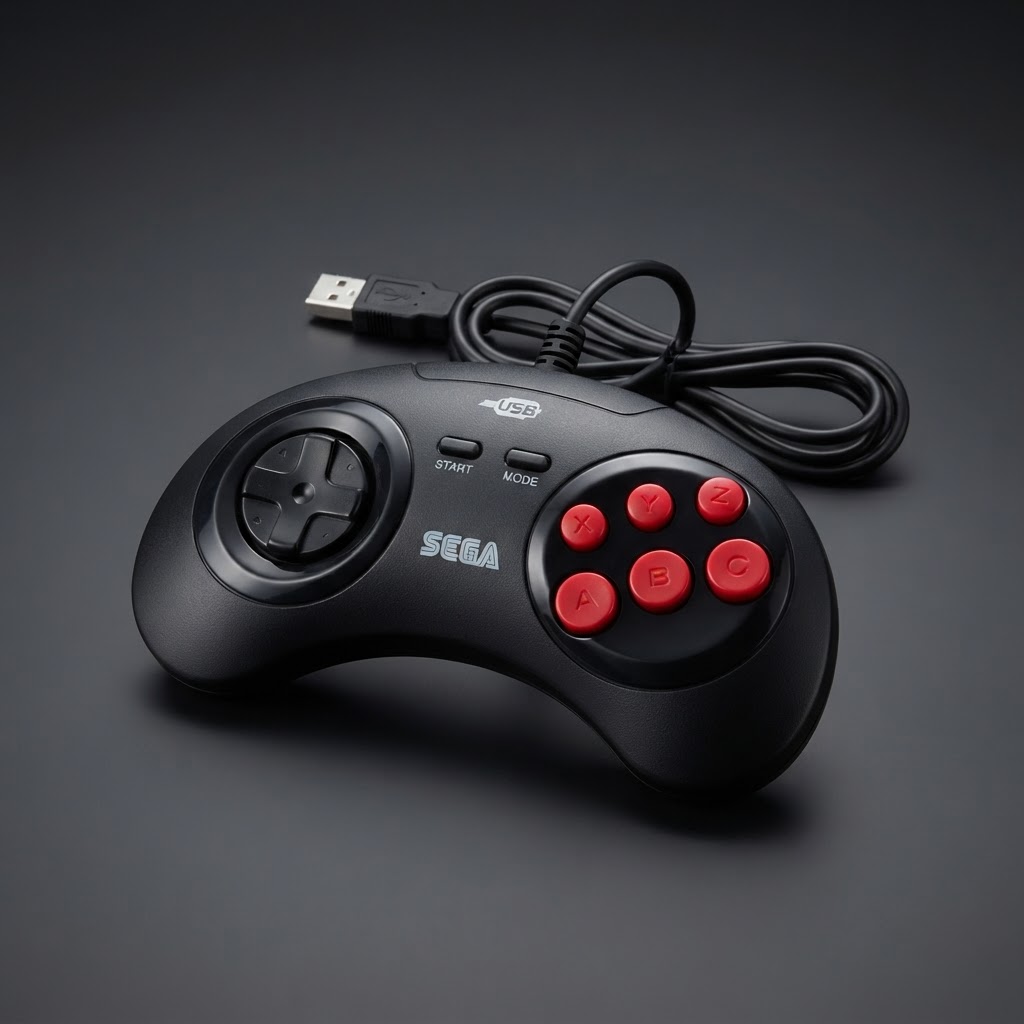
While nothing can truly replicate the atmosphere of a bustling 1980s arcade, modern hardware has made it easier than ever to recapture the "feel" of these classics. We no longer need to haul bulky cabinets into our homes to enjoy Street Fighter or Double Dragon.
Many retro enthusiasts are turning to systems like the Evercade VS Retro Console, which utilizes physical cartridges to mimic the tactile joy of collecting and swapping games. If you are setting up a dedicated retro station, don't forget to organize your peripherals. A Gaming Console Shelf Riser can help you display your collection proudly while keeping your setup ergonomic and clutter-free.
Why We Still Care
Why does a game from 1981 still hold our attention when we have 4K graphics and ray tracing? Because the Golden Age mastered the "flow state." In those days, there was no hand-holding. The game didn't tell you where to go or how to feel; it challenged you to survive.
Whether you are a seasoned veteran looking to reclaim your childhood high score or a newcomer curious about where the industry started, the lessons of the arcade remain relevant. It’s about the challenge, the camaraderie, and the pursuit of perfection. As the industry continues to evolve, we find ourselves circling back to these roots, reminding ourselves that at the end of the day, a game should be fun before it is anything else.
If you’re ready to dive back into the classics, make sure your setup is ready for the challenge. Whether you're playing on original hardware or modern emulators, start your journey into the past today by picking up an Evercade VS Retro Console and rediscovering the titles that started it all.