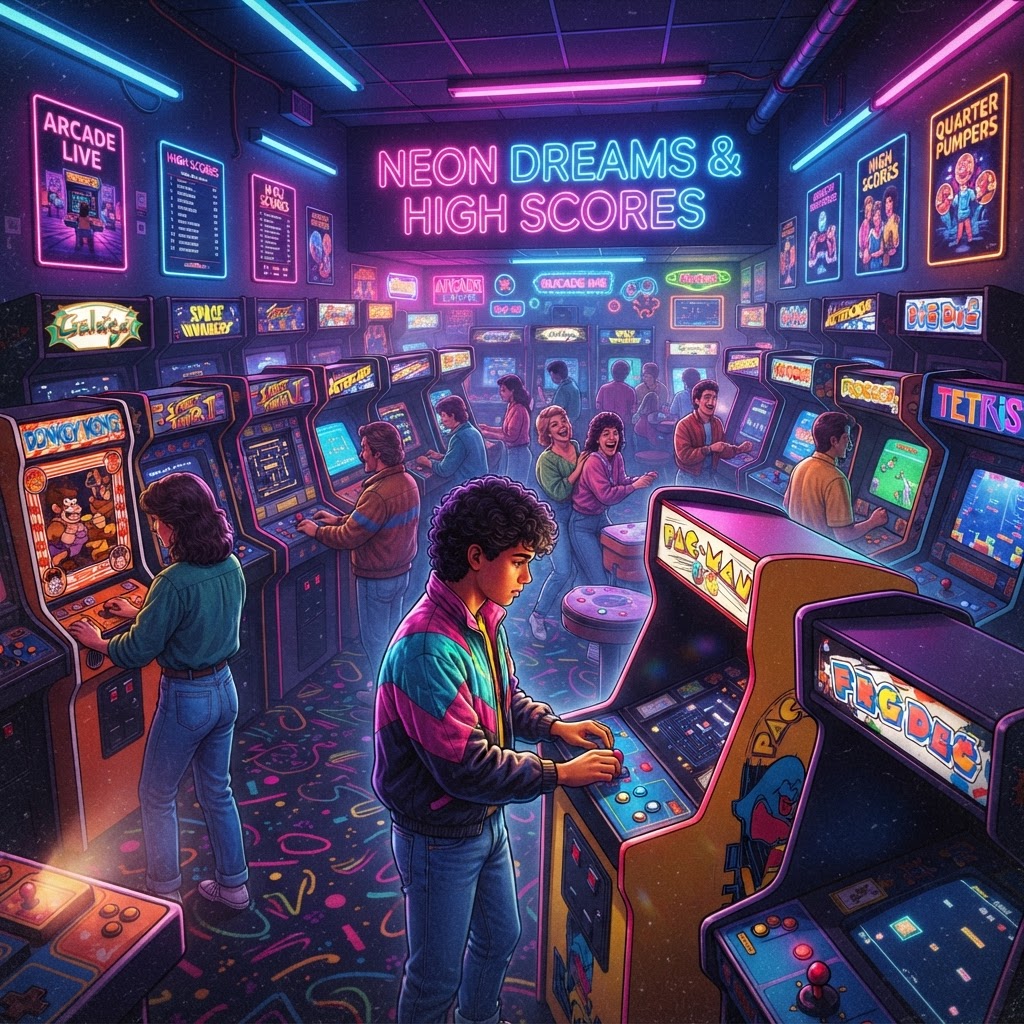
The Electric Pulse of the 1980s Arcade
There was a distinct smell in the air of a 1980s arcade: a mix of ozone, hot carpet, and anticipation. For those who grew up in the golden age of gaming—roughly between 1978 and 1984—the local arcade was more than a room; it was a digital cathedral. With the rhythmic chirps of Pac-Man, the intense vector graphics of Asteroids, and the high-stakes pressure of Donkey Kong, arcades offered a social, tactile experience that home consoles of the time simply couldn't replicate. The golden age was defined by the 'quarter-muncher' philosophy: games were designed to be easy to learn, brutal to master, and social catalysts that built community around the high score.
Why the Golden Age Felt Different
The magic of the arcade wasn't just the games; it was the audience. Standing behind a player who was on a record-breaking run was a rite of passage. You learned techniques by osmosis, watching the local hero navigate difficult levels. This era prioritized high-intensity, short-burst gameplay. Unlike modern sprawling open-world titles, golden-age games focused on pure reflex and pattern recognition. To recreate that authentic feel, many enthusiasts are now moving toward high-end setups. If you are building a dedicated station, you can capture that tactile satisfaction by integrating a Qanba Arcade Joystick into your rig, providing the exact mechanical feedback found in original Japanese cabinets.
Designing Your Own Arcade Sanctum
Transitioning from the neon-lit arcade to your home office or den requires a balance of retro soul and modern organization. One of the biggest challenges in retro-fitting a gaming space is the 'spaghetti wiring' that comes with multiple consoles and original hardware. To keep your vintage collection looking professional rather than cluttered, investing in a Gaming Desk Cable Management Kit is essential. A clean setup not only looks better but allows your retro hardware to shine as the centerpieces they are.
Why These Games Remain Timeless
Ask any developer why golden-age arcade titles are still played today, and they will point to 'game feel.' These games were stripped down to their most essential mechanics. Because they were built on proprietary hardware, the programming was hyper-optimized for the specific screen and control scheme. The result was a level of responsiveness that feels tight even by today’s standards. This is exactly why we continue to celebrate titles like Galaga and Defender. They don't require 100-hour tutorials; they demand your focus and reward your skill immediately.
Bringing the Arcade Home
The obsession with preserving this era has led to a boom in home-gaming technology. Whether you are using a CRT, a modern flatscreen, or even a 4K Retro Gaming Projector to emulate the massive cabinet screens of old, the technology is more accessible than ever. By optimizing your display and controls, you aren't just playing a game—you are honoring a period of history where digital art was forged in the heat of a crowded mall arcade.
Conclusion: Keep the High Score Alive
The golden age of arcades taught us that gaming is best when shared. Whether you are aiming for a world record or just trying to beat your friend's score on a Friday night, the spirit of the arcade is alive in every joystick click. Ready to upgrade your setup? Start by grabbing a Qanba Arcade Joystick and transform your living room into the high-score haven you always dreamed of as a kid.