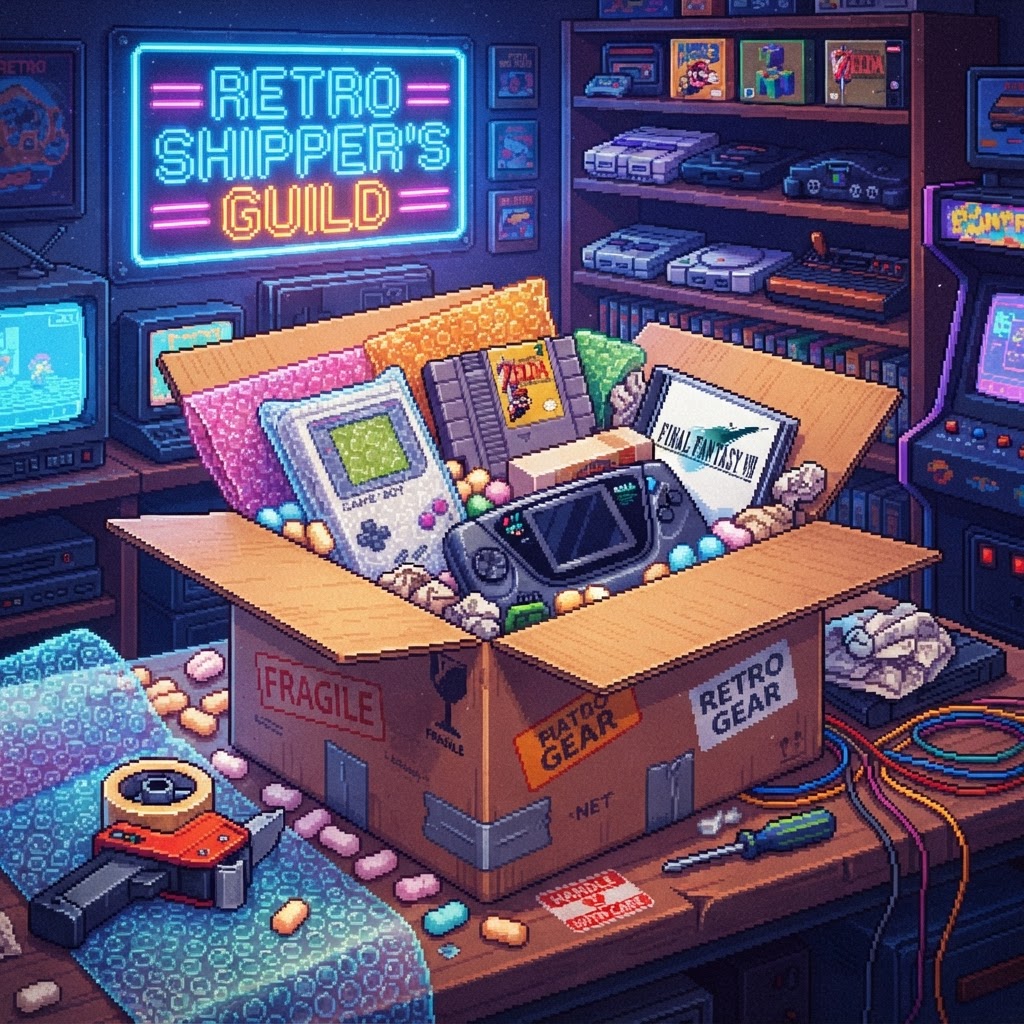
Why Shipping Retro Games and Consoles Demands Extra Care
Retro hardware is irreplaceable. A cracked cartridge shell, a snapped controller port, or a shattered composite output can destroy both sentimental and monetary value overnight. Unlike modern gear sold by the millions, a mint-condition copy of Earthbound or a pristine Neo Geo AES console cannot simply be re-ordered. The stakes are high — and the stakes get even higher when you're a portable gamer who regularly travels with your collection.
This guide is written specifically for retro gamers who move their setups frequently: weekend warriors heading to tournaments, collectors who ship sold items, and enthusiasts who build compact travel rigs. You'll learn exactly how to pack, protect, and ship retro games and consoles so they arrive — or travel — in perfect condition every single time.
Understanding the Risks: What Actually Damages Retro Hardware in Transit
Before you reach for the bubble wrap, understand what you're protecting against:
- Impact shock: drops, tosses, and conveyor belt impacts are the most common causes of damage
- Compression: heavy packages stacked on top can crack plastic shells and PCBs
- Electrostatic discharge (ESD): particularly dangerous for bare cartridge PCBs
- Moisture: humidity inside trucks or warehouses can corrode contacts
- Cable tangling and stress: connectors yanked during unpacking can break solder joints
Portable gamers face an additional unique risk: vibration over long distances. Road trips, flights with checked luggage, and train journeys all subject your gear to hours of low-frequency vibration that can loosen cartridges sitting in consoles, rattle disc drives, and stress aging capacitors.
Essential Packing Materials for Shipping Retro Consoles
Step 1: Choose the Right Box
Always use a double-wall corrugated cardboard box. Single-wall boxes are fine for light cartridges but provide almost no protection for consoles. The box should be large enough to allow at least 2 inches of cushioning material on every side of the item.
For portable setups — think Game Boy, Sega Game Gear, or an Analogue Pocket — a small but sturdy box with generous foam padding is ideal. A box that's too large allows the item to shift during transit, which is just as dangerous as no padding at all.
Step 2: Wrap Consoles in Anti-Static Bubble Wrap
Standard bubble wrap is fine for the outer layers, but for any bare PCB, cartridge contacts, or open-slot consoles, use pink anti-static bubble wrap first. This prevents ESD damage that can silently kill chips even when there's no visible physical damage.
Step 3: Secure All Moving Parts
- Remove cartridges from consoles before shipping — always
- Tape down any doors, disc lids, or cartridge slots with painter's tape (not duct tape, which can leave residue)
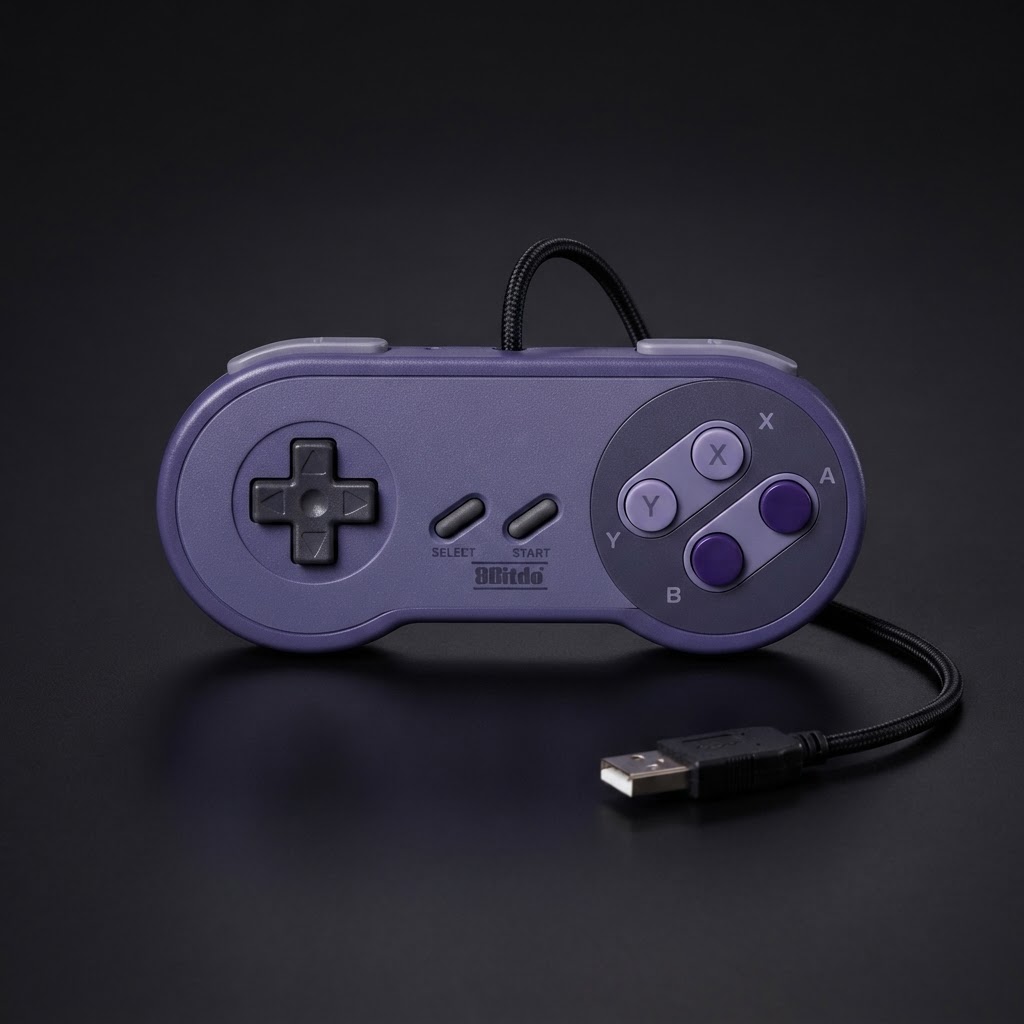
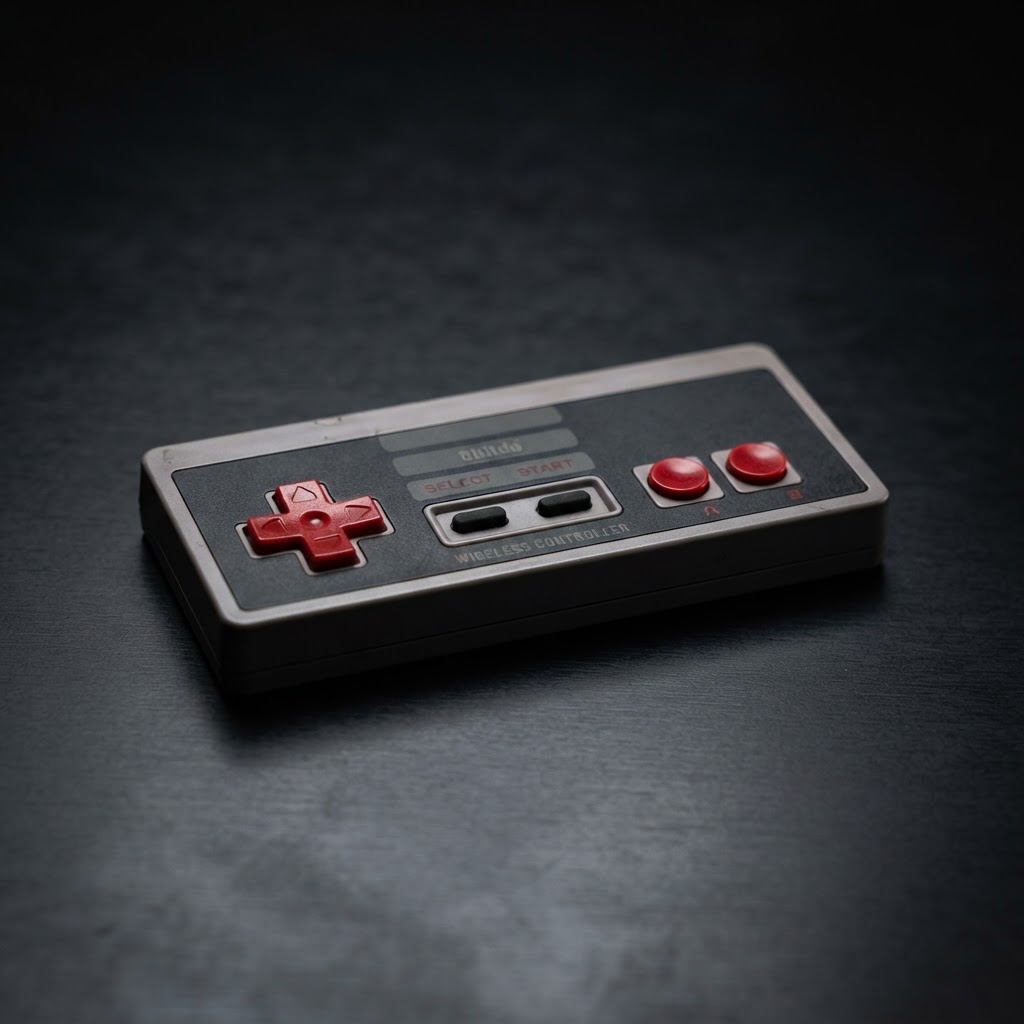
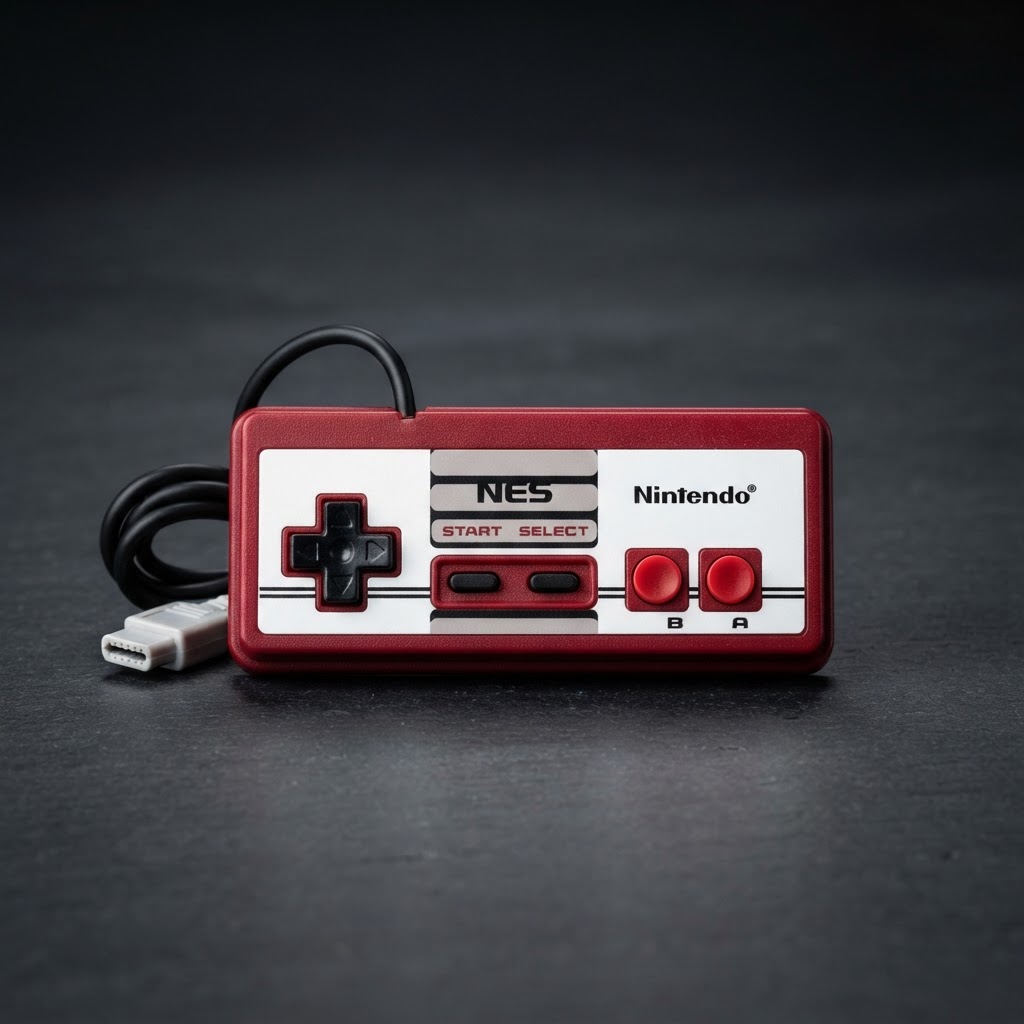
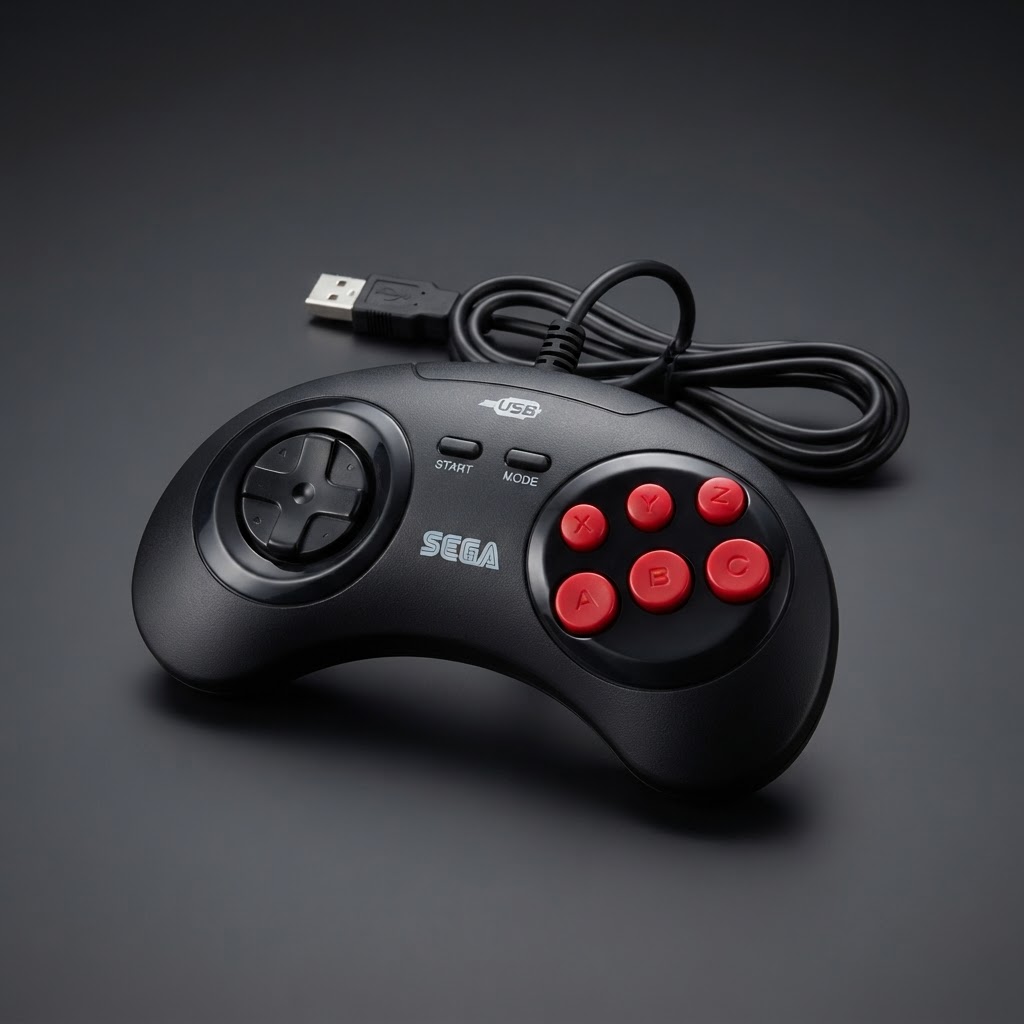
- Wrap controllers and cables separately and individually
- Use rubber bands to coil cables loosely, never tightly knotted
Step 4: Fill All Void Space
Packing peanuts, crumpled kraft paper, or air pillows should fill every gap inside the box. The goal is zero movement when you shake the sealed package. If you can hear or feel anything shifting, add more fill material.
Packing Cartridges and Games for Travel and Shipping
Cartridges are deceptively fragile. The PCB inside can crack, pins can bend, and label corners can peel. For travel, a Multi-Game Cartridge Storage Case is one of the smartest investments a portable retro gamer can make. These hard-shell cases hold multiple cartridges securely in molded slots, preventing contact damage and label wear during transit — whether you're shipping a lot of games or throwing your carry bag in an overhead bin.
For shipping individual high-value cartridges:
- Place the cartridge in its original box if available
- Wrap in anti-static poly bag, then bubble wrap
- Box individually for valuable titles; batch lower-value carts in one well-padded box with dividers
Building a Portable Retro Gaming Rig That Travels Safely
Here's where shipping safety and portable gaming intersect perfectly: the best way to protect your retro gear during transit is to build a compact, travel-optimized setup that minimizes loose parts and fragile connections.
Power on the Go
One underrated vulnerability during travel is dead or unstable power. A Portable Controller Charger Power Bank keeps your wireless controllers and handheld devices charged without relying on wall outlets — critical for gaming weekends or conventions where outlets are scarce. It also means fewer cables to pack and protect.
Display Solutions for Travel
If you're bringing a full console setup to a friend's house or a retro gaming event, display compatibility is a real issue. Older consoles output RF or composite signals that most modern TVs struggle with. Packing an adapter like the Multi-Console RF to HDMI Adapter in your travel bag means you can plug into virtually any modern screen without hauling a CRT. It's small, lightweight, and eliminates the need to ship or carry a bulky monitor.
For serious AV quality on the road, a compact Open Source Scan Converter (OSSC) is the gold standard for upscaling retro video signals to HDMI with minimal lag. It's a worthy addition to any portable setup where image quality matters.
Keeping Handhelds Stable
When traveling with handhelds, a Handheld Console Stand does double duty: it protects the screen during packing (by keeping the console elevated and stable in your bag) and provides a proper viewing angle once you arrive at your destination. Look for folding or collapsible models that pack flat.
Shipping Carriers: Which One Is Best for Retro Games?
| Carrier | Best For | Notes | |---|---|---| | USPS Priority Mail | Cartridges, small accessories | Affordable, reliable, decent handling | | UPS | Consoles, larger packages | Superior damage protection policies | | FedEx | High-value items | Strong tracking, good claims process |
Always declare the accurate value and purchase shipping insurance for anything worth over $50. For rare consoles or sealed games, photograph every stage of the packing process — this documentation is essential if you need to file a damage claim.
Pro Tips for Frequent Retro Shippers and Travelers
- Label fragile items on all six sides of the box — not just the top
- Double-box consoles worth over $100: pack the console in one padded box, then place that box inside a larger box with additional padding
- Use silica gel packets inside the inner box to absorb moisture during long shipments
- Never ship a console with a cartridge inside — vibration can damage both
- Keep a packing kit stocked: anti-static bags, bubble wrap, kraft paper, painter's tape, and a marker so you're always ready to ship quickly
Conclusion: Ship Smart, Game Anywhere
Retro hardware is too rare and too valuable to leave its fate to a poorly packed box or a carelessly stuffed travel bag. Whether you're shipping a sold console across the country or loading up your portable rig for a weekend gaming session, the principles are the same: eliminate movement, prevent static, protect contacts, and document everything.
Start by grabbing a Multi-Game Cartridge Storage Case — it's the single most versatile piece of gear for any portable retro gamer, protecting your library whether it's in the mail or in your backpack. Your future self (and your cartridge pins) will thank you.