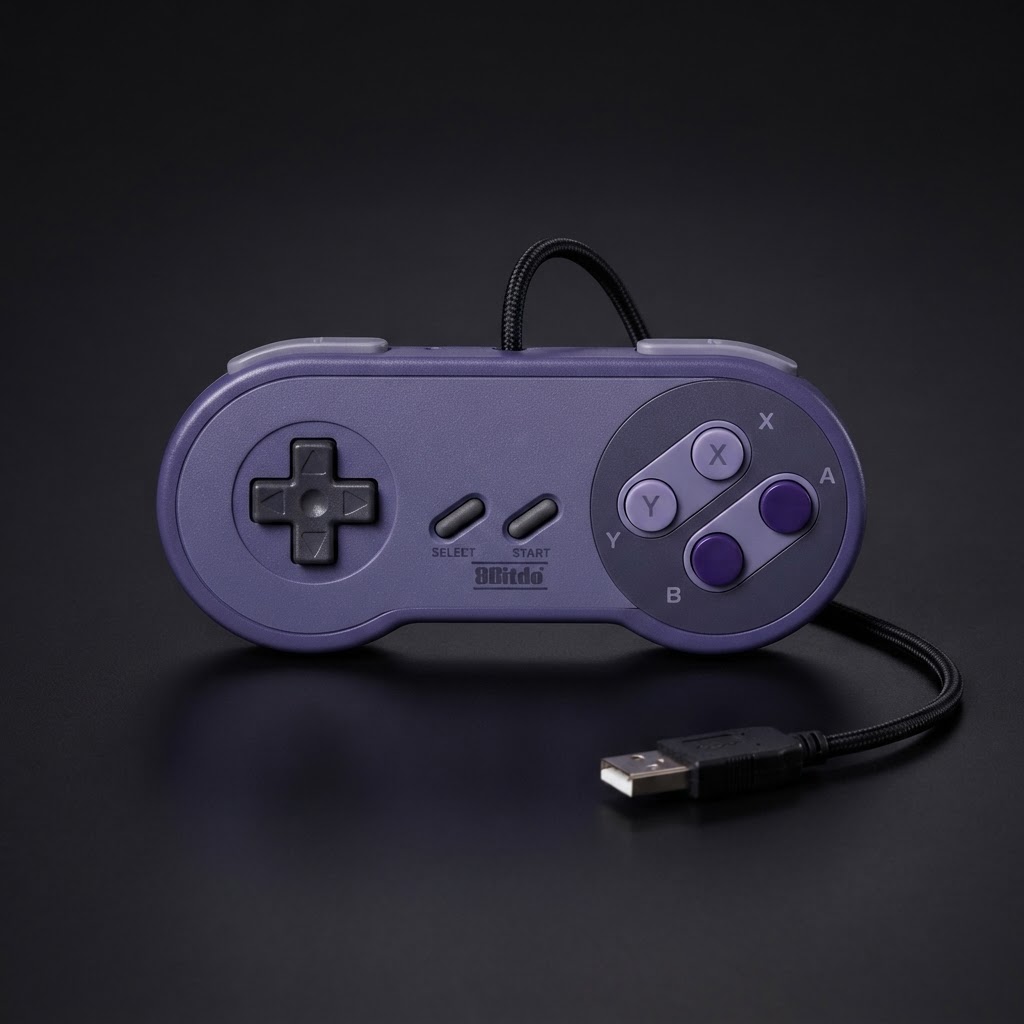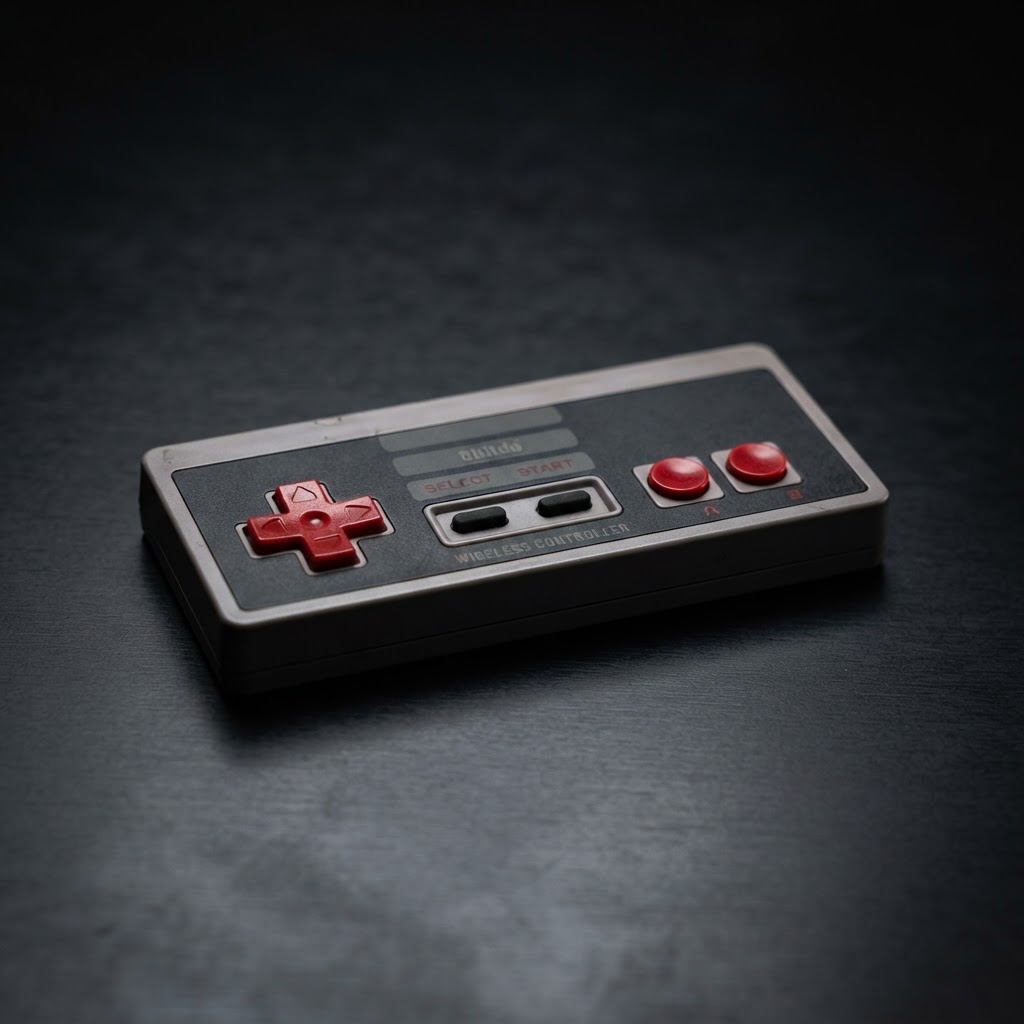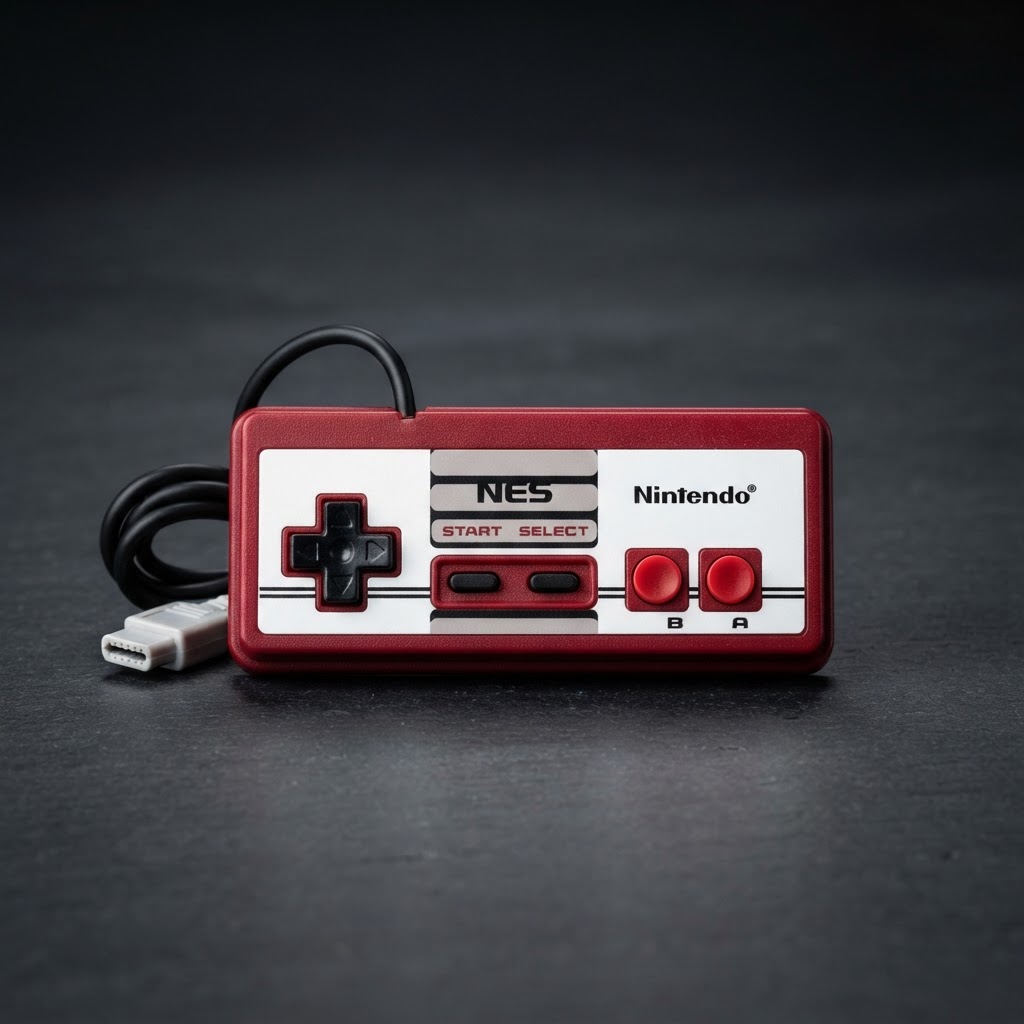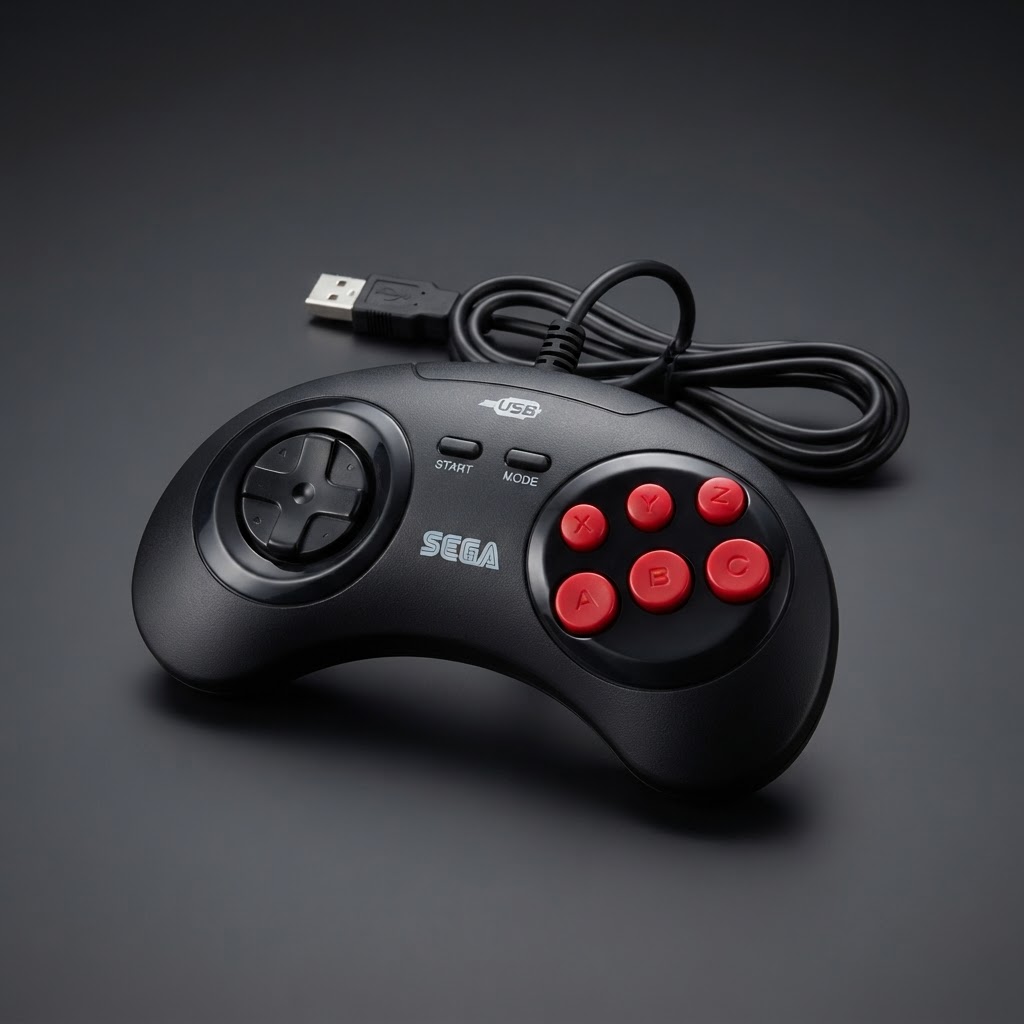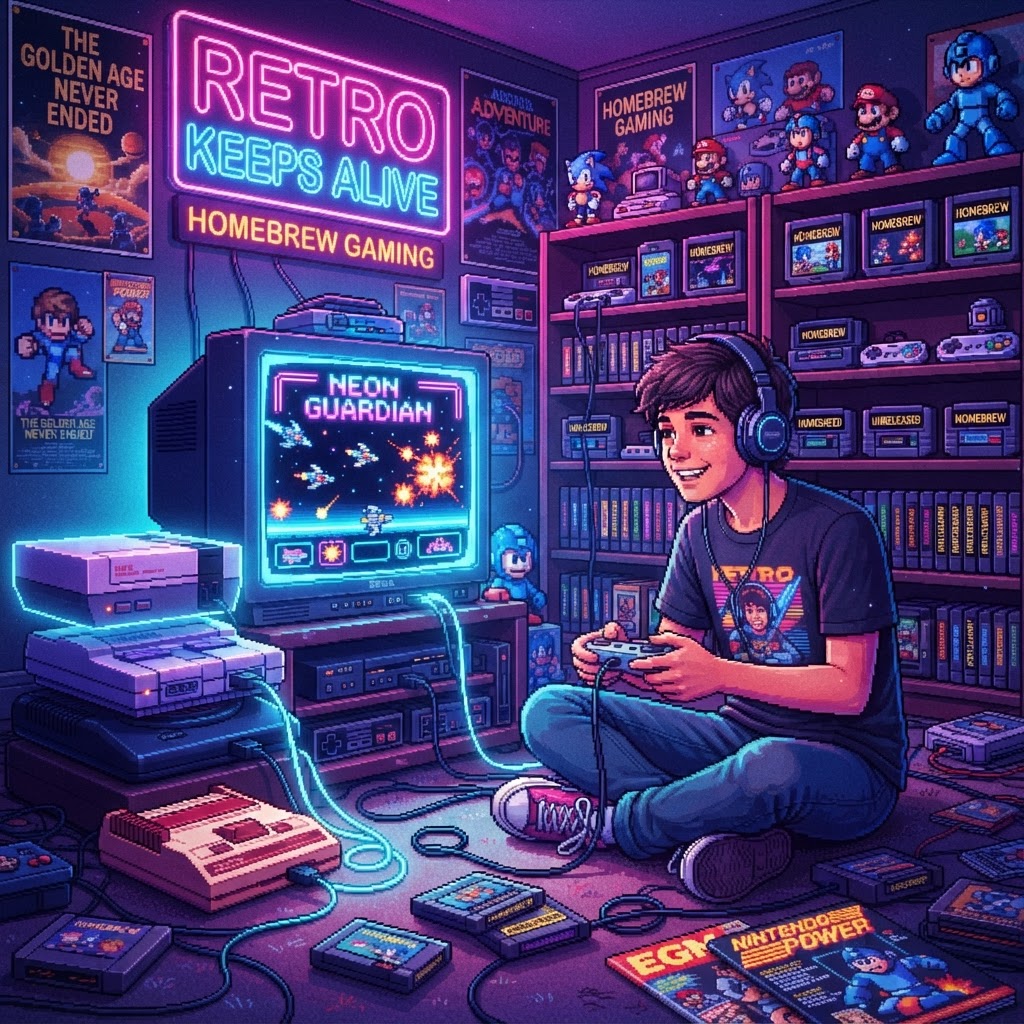
For most people, the history of the Nintendo Entertainment System or the Sega Genesis ended sometime in the mid-90s when the consoles were packed away into attics. But if you visit certain corners of the internet, you’ll find that the "end" of the retro era was actually just the beginning of a massive, grassroots creative movement. Welcome to the world of "homebrew"—games developed by independent enthusiasts today that run natively on original hardware from the 80s and 90s.
What Exactly is Homebrew?
Homebrew isn’t just an emulator or a "port" that looks retro. These are genuine, brand-new software titles written by modern coders using assembly language, custom engines, and incredible technical ingenuity to push the limits of aging hardware. Whether it’s a rhythm game for the Game Boy or a sprawling adventure for the NES, these developers are treating 40-year-old chips like cutting-edge canvases.
If you are a newcomer looking to enter this hobby, you don’t need to be a programmer. You just need a curiosity for how these machines "think" and a willingness to experience gaming in a way that feels tactile, physical, and authentic.
How to Get Started with Original Hardware
You might think that playing these new games requires complex software hacking, but the beauty of the homebrew scene is its focus on the "cartridge experience." Many developers release their work as physical ROMs or even limited-run physical cartridges.
If you’re ready to dive into the hobby, you have two paths. You can hunt down original hardware, which often requires a bit of maintenance. If you find an old console at a garage sale, your first priority should be basic care. Using an Anti-Static Cartridge Cleaning Brush ensures your pins stay conductive and your new homebrew treasures don't glitch out. If you’re lucky enough to score a vintage CRT television to get that authentic "glow," keep your setup pristine with a CRT Screen Cleaning Kit to ensure those scanlines look as crisp as the day they left the factory.
Bridging the Gap: Modern Tech for Vintage Machines
One of the biggest questions beginners have is: "How do I play these on my 4K TV without it looking like a blurry mess?" Modern displays aren't designed for the 240p output of an 8-bit machine.
To bridge the gap between 1985 and 2024, you have a few options:
- The Upscaler Path: Using a high-end device like the RetroTINK 4K Video Upscaler allows you to use your original, unmodified console on a modern monitor with near-zero lag and perfect image clarity.
- The Modern Hardware Path: If you aren't ready to hunt for vintage consoles, you can opt for an FPGA Retro Console (Analogue-Style). These machines use hardware-level simulation to run original cartridges perfectly, offering a "plug-and-play" experience that feels exactly like the real thing without the hardware degradation.
Why the Homebrew Scene Matters
The homebrew community is the ultimate preservation act. By creating new games for the NES, Game Boy, and Genesis, developers are proving that these machines are more than just museum pieces. They are functional, living platforms. Whether it’s a high-speed platformer or a complex RPG, these games carry the spirit of the era while benefiting from modern design sensibilities.
For the collector, this is a golden era. Many homebrew creators release their games in beautiful boxes with manual art that rivals the licensed games of the 90s. Once you start building a small library of these indie gems, you’ll want a way to display them. Investing in a Limited Edition Game Cartridge Display Case turns your bookshelf into a rotating art gallery, celebrating both the history of the console and the creativity of today’s developers.
Joining the Movement
The barrier to entry has never been lower, and the quality of homebrew games has never been higher. You don't need to be a nostalgic veteran to appreciate the charm of a 16-bit aesthetic; you just need to appreciate the craft.
Whether you’re playing on a high-end upscaler or a specialized FPGA console, the experience of slotting in a cartridge and seeing a "New Game" screen on hardware that was built before you were born is pure magic. Ready to start your own collection? Check out our favorite FPGA Retro Console (Analogue-Style) options to get your retro journey off the ground today.