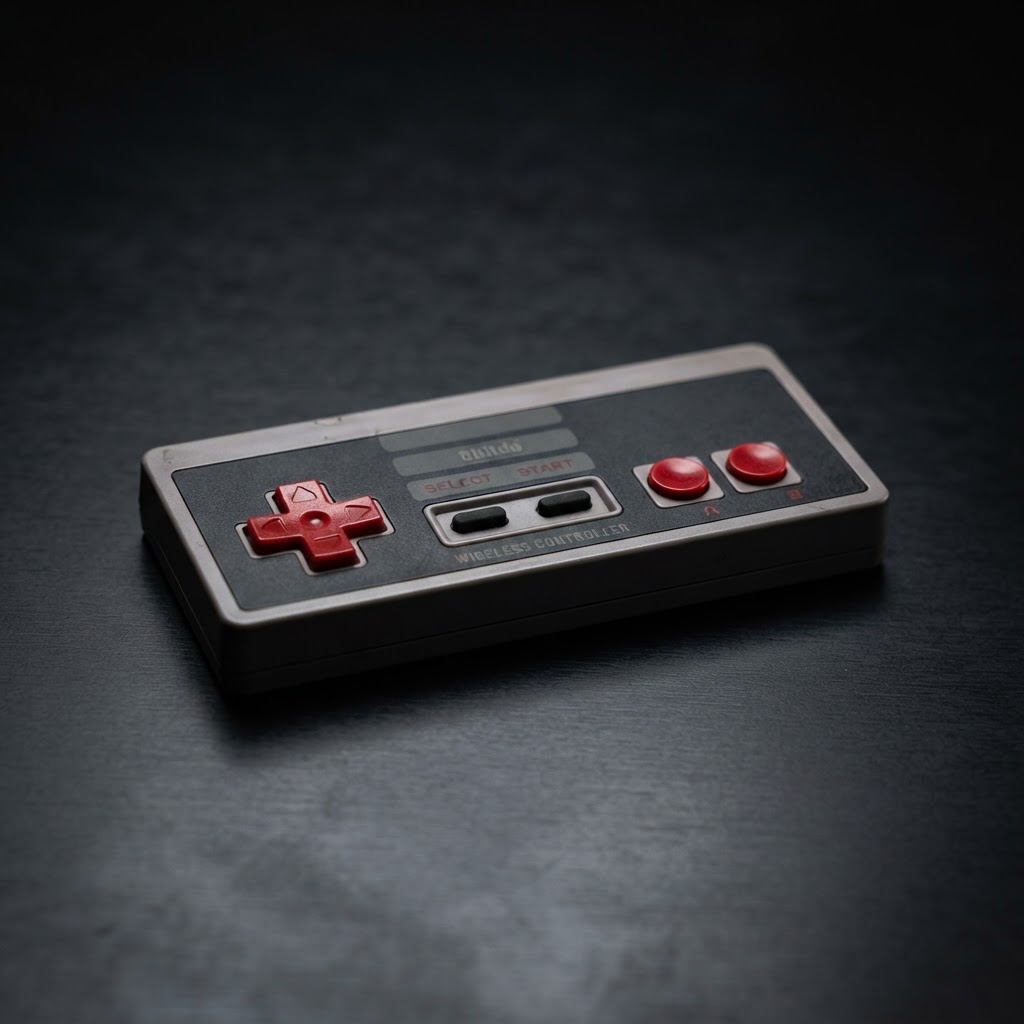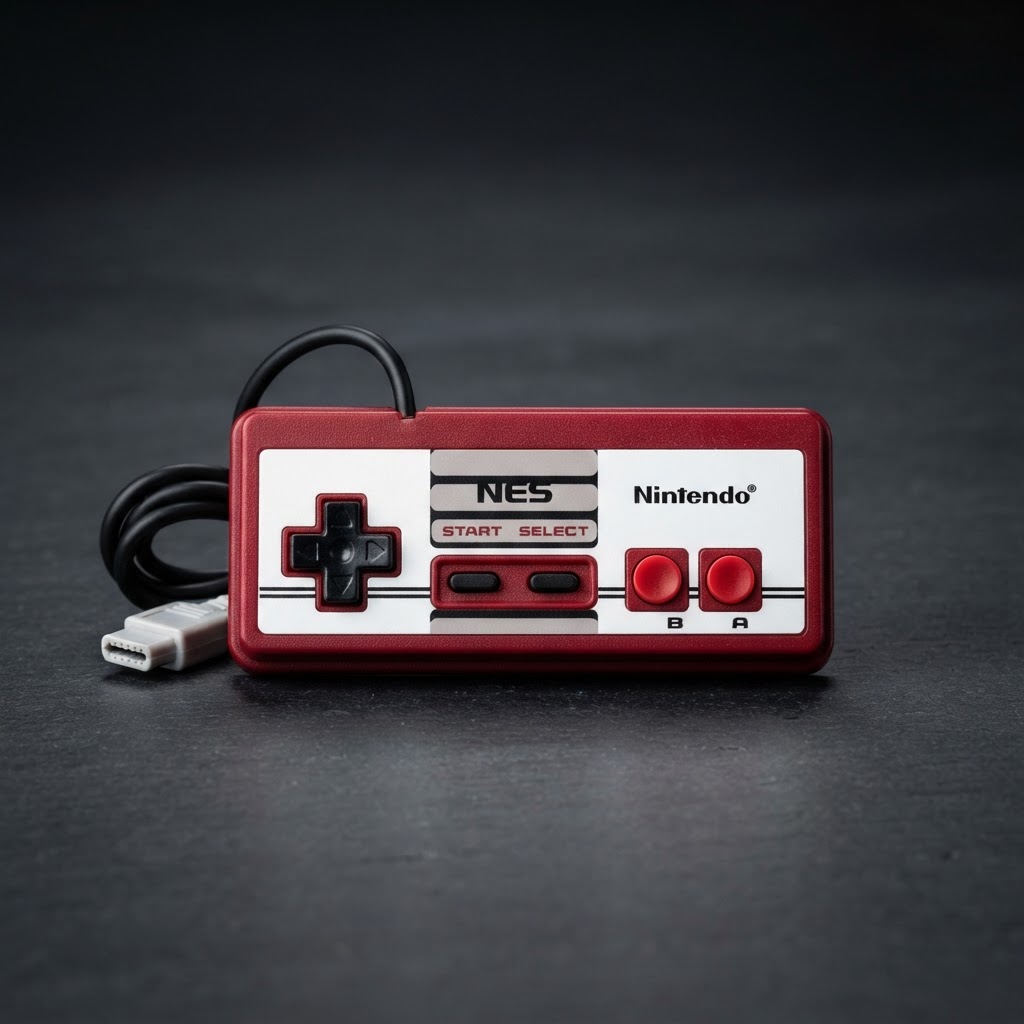
The evolution of the video game controller is, in many ways, the history of our own tactile relationship with digital worlds. I still remember the first time my thumb felt the sharp edges of an original NES rectangle controller—it was stiff, unforgiving, and absolutely magical. Over the decades, we’ve moved from simple joysticks to haptic feedback triggers and motion controls. But as we look back, a burning question remains for every enthusiast: is it better to hunt down that fraying original hardware, or should we embrace the comfort of modern replicas?
The Arc of Design: From Atari to Ergonomics
In the early 80s, the Atari joystick taught us the concept of "action," but it was the 8-bit era that taught us precision. The NES controller established the cross-shaped D-pad, a design so perfect it remains the industry standard today. By the time the PlayStation arrived, we were introduced to dual analog sticks, forever changing 3D gaming.
However, playing on original hardware comes with a "collector’s tax." Fragile rubber membranes rot, capacitors leak, and plastic yellowing is inevitable. If you are a purist who insists on using your original hardware, you need the right tools to maintain it. Keeping a Console Screw Bit Repair Tool Set on hand is essential for those Saturday afternoon cleaning sessions—you’d be surprised how much dust and grit can accumulate in a 30-year-old controller port.
Vintage Hardware vs. Modern Recreations
There is an undeniable "soul" to the original controllers. They have the authentic heft, the specific weight of the plastic, and the exact resistance of the buttons that defined our childhoods. But they were also designed for CRT televisions and shorter play sessions.
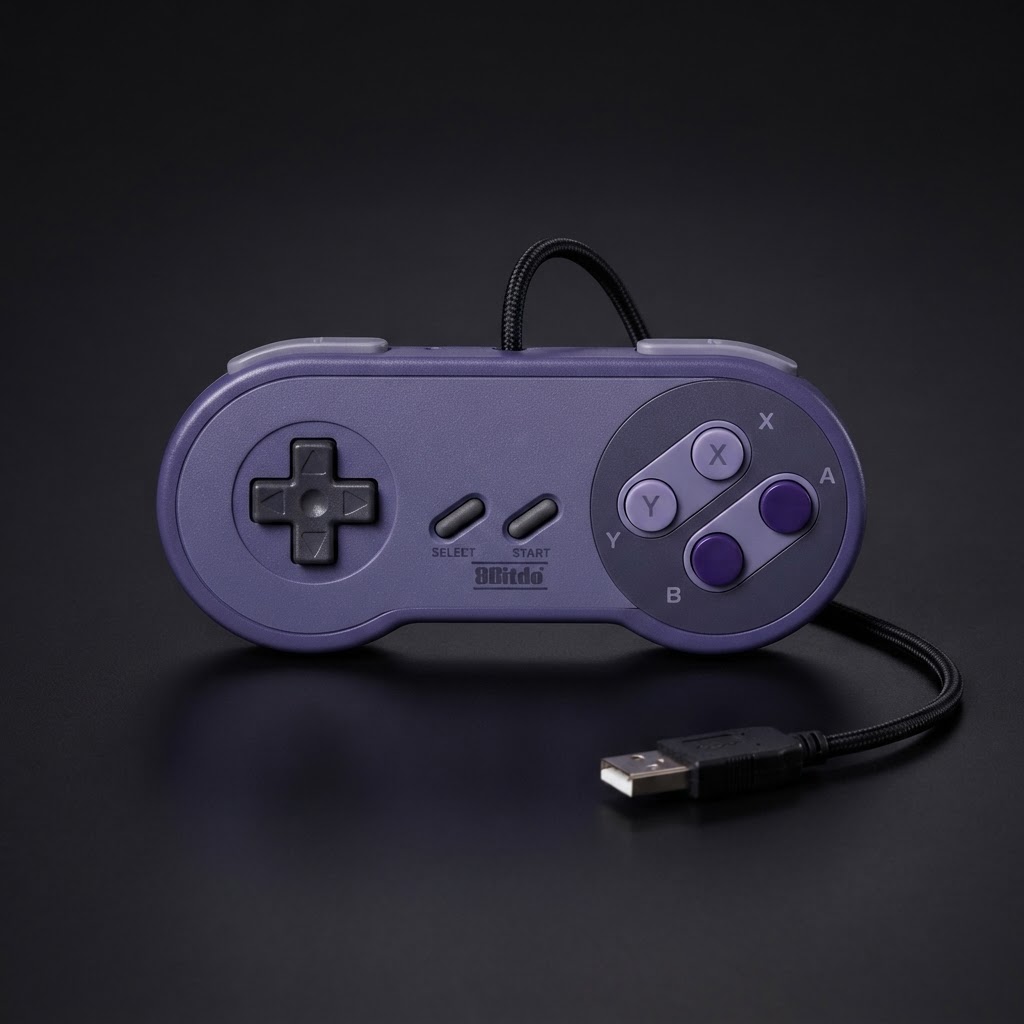
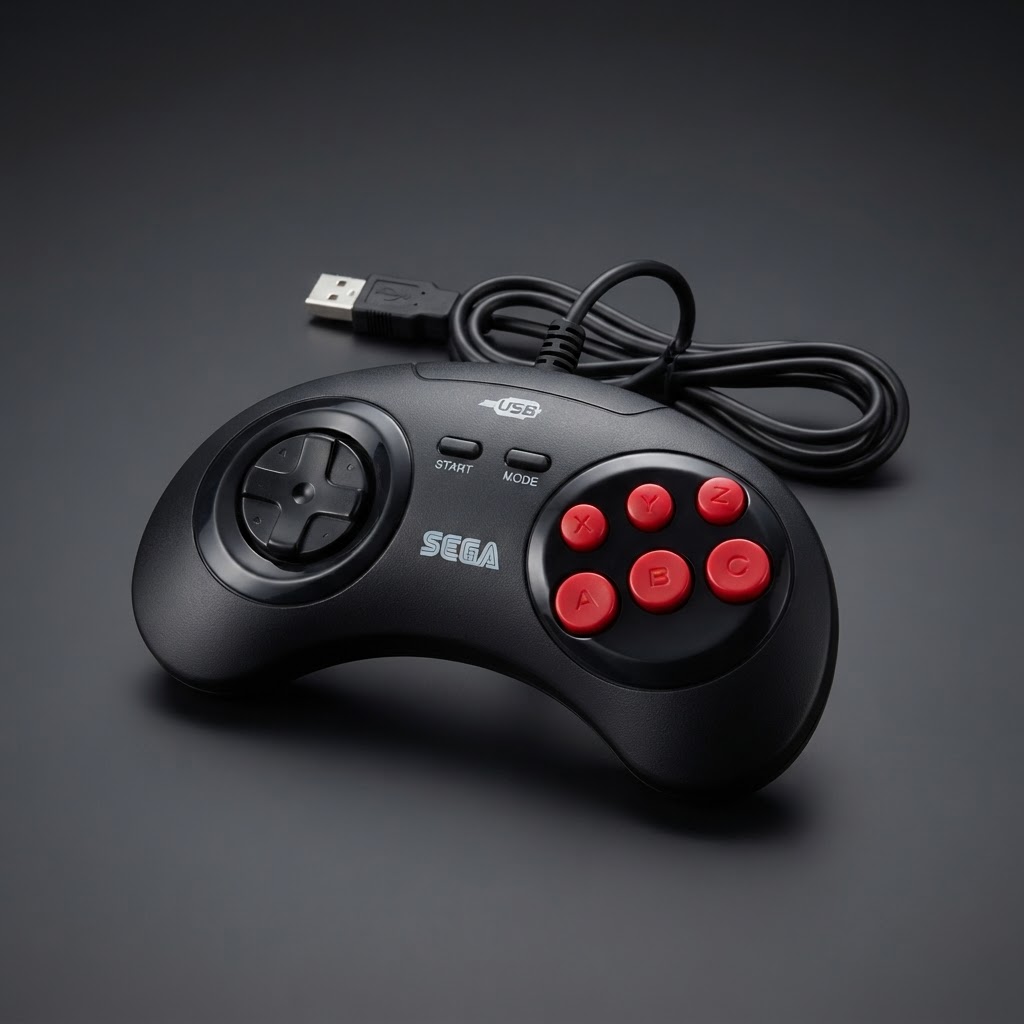
Modern recreations, on the other hand, prioritize ergonomics and compatibility. For example, a Classic SNES-Style USB Controller offers that tactile nostalgia you crave while allowing you to play on a PC, a Raspberry Pi, or even a modern console without needing finicky adapters. They are generally more durable and come with longer cables—a luxury we didn't have in the 90s.
Which is better?
- The Case for Original: If you are a preservationist or you enjoy the "ritual" of hooking up a console, original hardware is king. It’s a piece of history you can touch. Just be prepared to manage the wear and tear.
- The Case for Modern: If your goal is playability, modern hardware wins. It eliminates the latency of aging circuits and provides a more comfortable grip for longer sessions.
Bridging the Gap: The Tech That Keeps Retro Alive
If you do decide to stick with your original, beloved controller, you don’t have to compromise on visual fidelity. Modern tech can bridge the gap between retro hardware and modern displays. If you’re hooking up a console from the 90s, you shouldn't settle for blurry composite signals. Investing in a RetroTINK 4K Video Upscaler can make your original controller feel right at home on a 4K OLED screen, providing a crispness that makes those retro pixels pop.
Enhancing Your Retro Setup
Whether you play with original controllers or modern USB versions, the atmosphere matters just as much as the inputs. Retro gaming is an aesthetic experience. If you’re building a dedicated gaming nook, consider adding a Console-Shaped Desk Lamp to set the mood. And if you’re planning a gaming night with friends, don't forget to break out a Retro Gaming Card Game to keep the competition going even when the console is off.
Final Thoughts: The Joy of the Click
Ultimately, the "best" controller is the one that transports you back to that moment you first beat your favorite boss or finally cleared a difficult level. Whether you’re soldering a new button into a vintage SNES pad or plugging a sleek USB replica into your laptop, the magic isn't just in the plastic—it's in the memory.
Take care of your gear, keep it clean, and keep the legacy alive. If you are ready to upgrade your setup, why not start by grabbing a Classic SNES-Style USB Controller and seeing just how well those old-school reflexes hold up today?