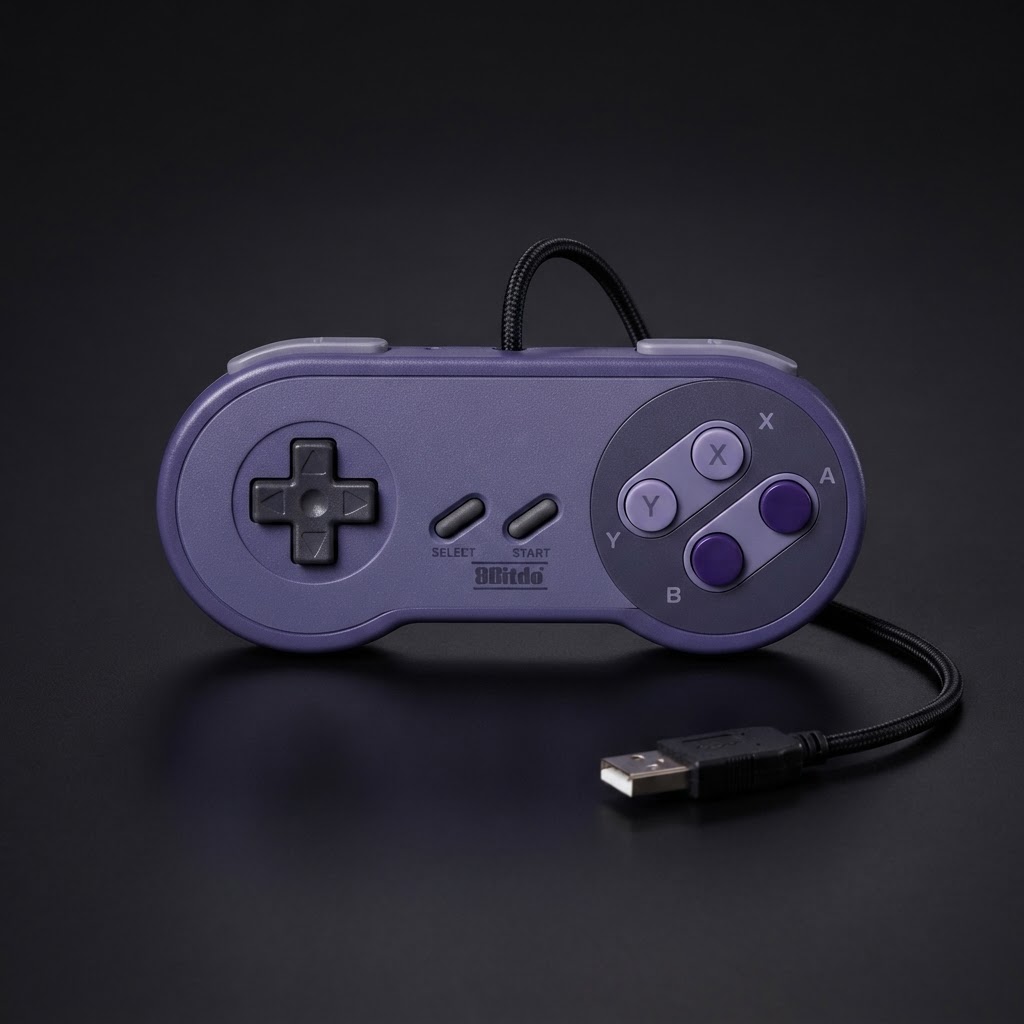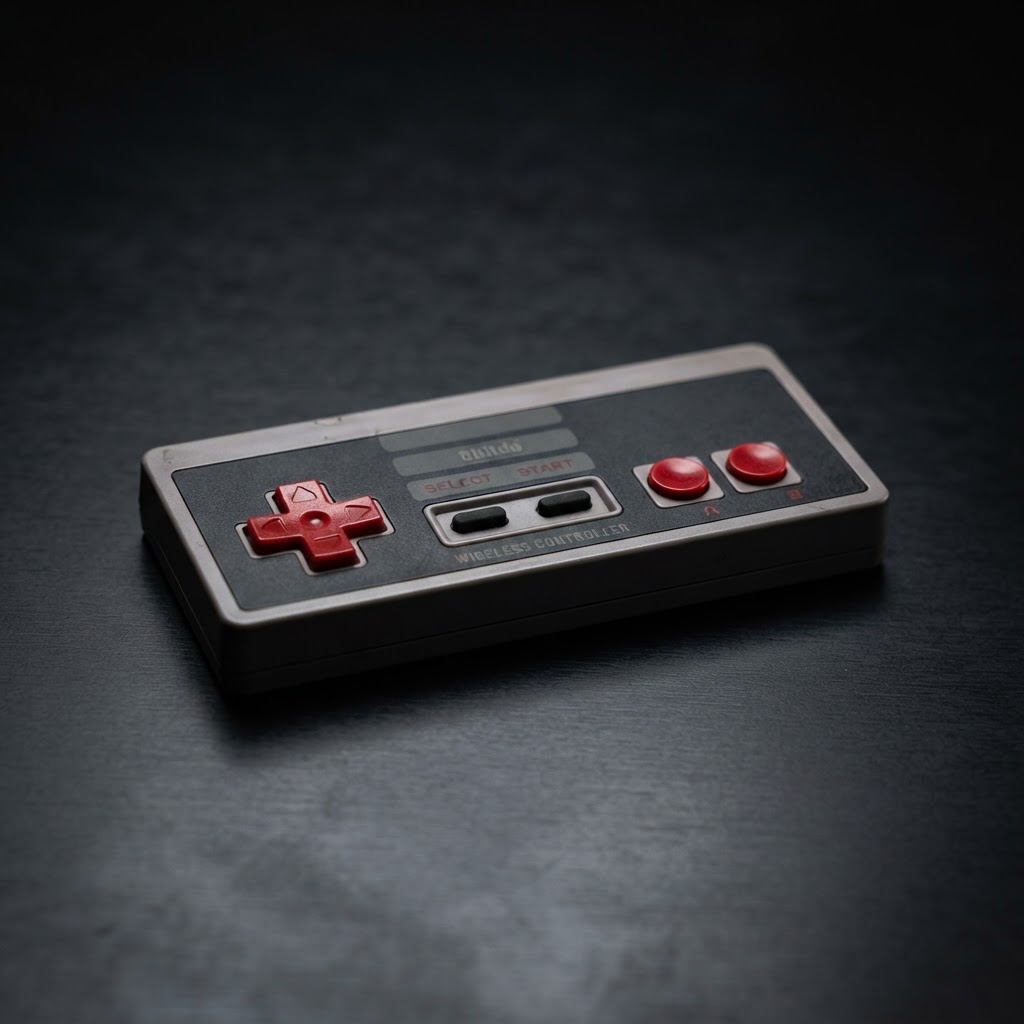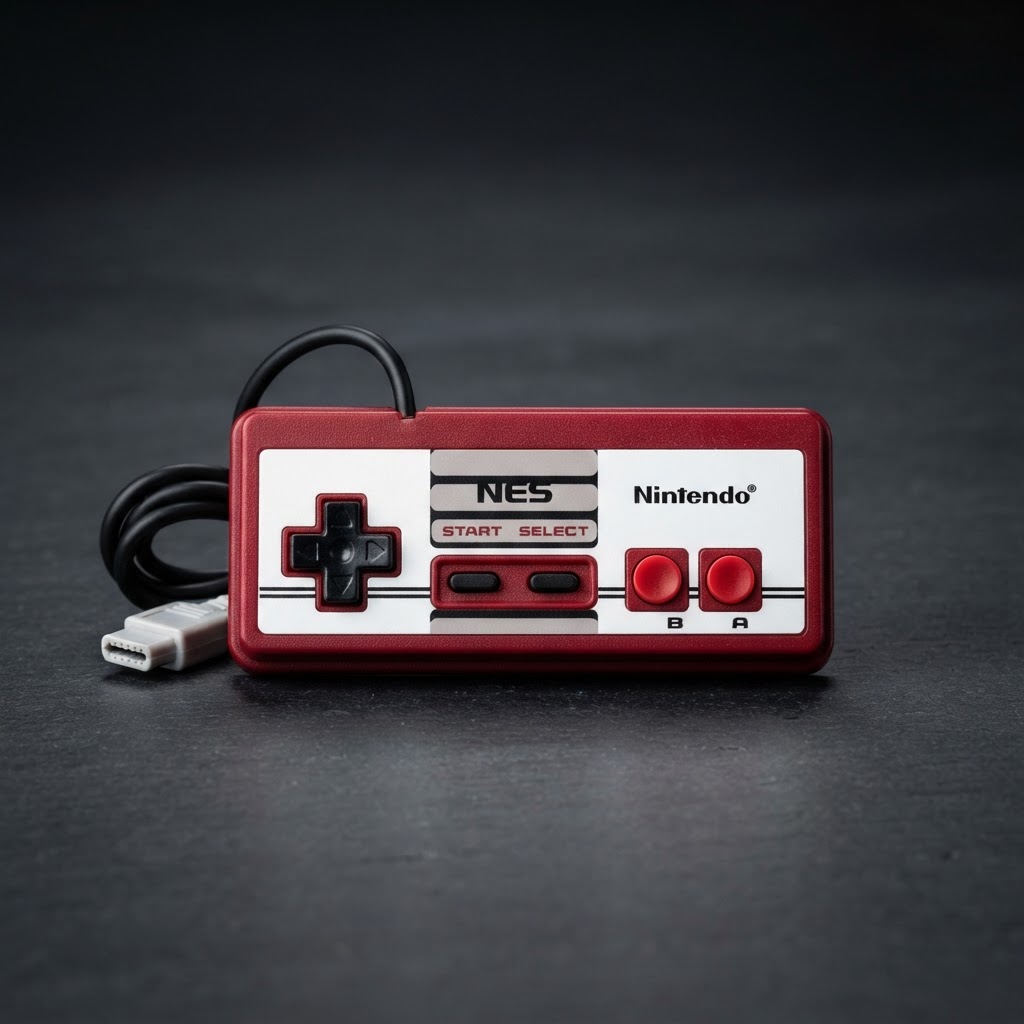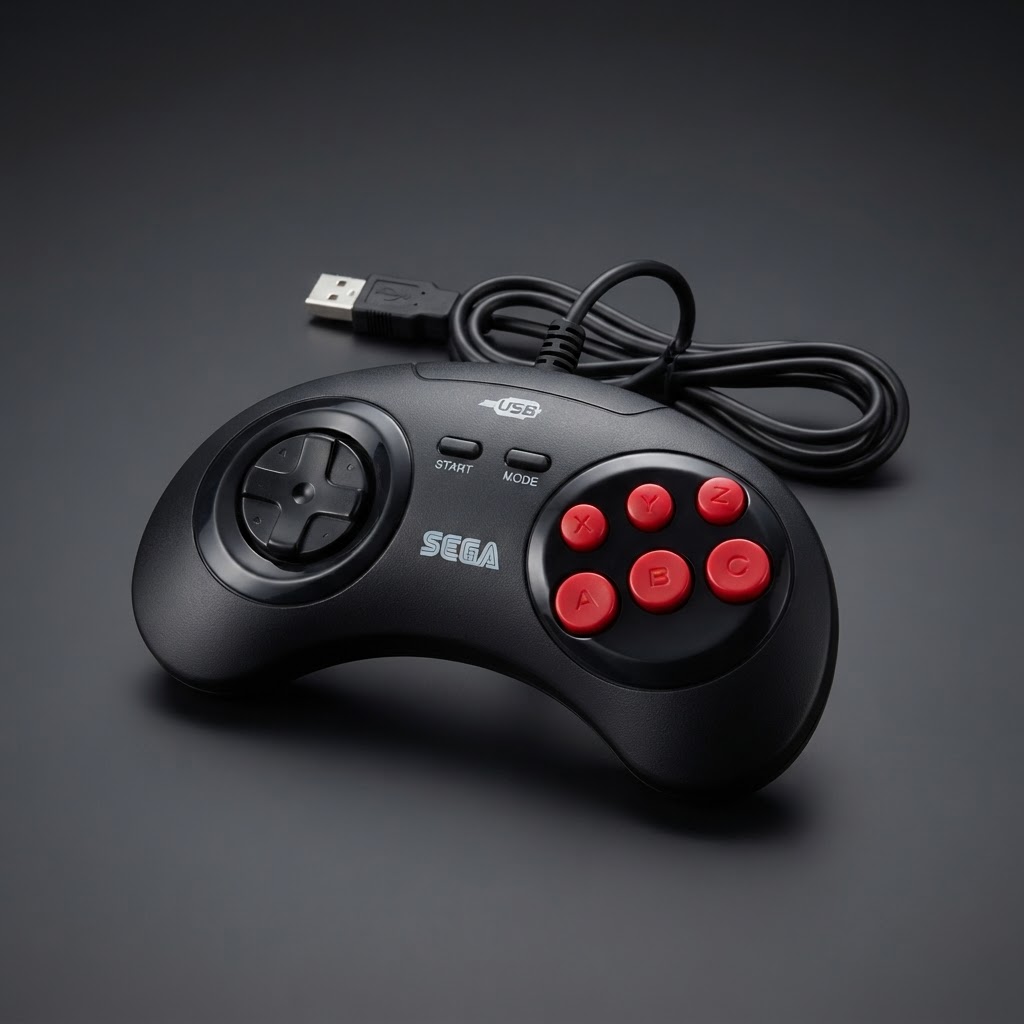
Before the sprawling open worlds of today’s AAA titles, the video game industry was carved out of pure imagination and limited processing power. While everyone knows Pong or Space Invaders, the true DNA of modern gaming was written in the assembly code of forgotten Atari 2600 gems that pushed the hardware to its absolute breaking point.
The Pioneers Time Forgot
In the early 1980s, developers were essentially digital alchemists. They were turning 128 bytes of RAM into entire worlds. Take Adventure (1980), for instance—the game that pioneered the "fetch quest" and the hidden "Easter egg." Or consider Yars’ Revenge, which introduced complex, screen-filling boss patterns that defined the shoot-em-up genre for a decade.
These games didn't just provide entertainment; they provided a blueprint. They taught players how to explore, how to solve environmental puzzles, and how to track progress—mechanics we take for granted in every modern RPG.
The Great Debate: Original Hardware vs. Modern Recreations
As we revisit these titles, a divide has emerged in the community: the purists who insist on original consoles and the pragmatists who prefer modern emulation or mini-consoles.
The Case for Vintage Hardware
There is an undeniable, tactile magic to blowing the dust out of a cartridge and feeling the mechanical "thunk" of an Atari 2600 power switch. The phosphor glow of a CRT television provides a specific visual warmth that LCD screens often struggle to replicate. However, if you are committing to the original hardware route, you have to be prepared for the maintenance. Older consoles often require deep cleaning to prevent signal drift or cartridge reading errors. Investing in a Retro Console Restoration Tool Kit is essential if you want to keep that 40-year-old plastic alive and kicking.
Once your console is restored, you’ll want to showcase it properly. Using a Gaming Console Shelf Riser not only keeps your desk organized but elevates the system to centerpiece status, reminding guests that they are in the presence of industry royalty.
The Case for Modern Convenience
Modern recreations—like Raspberry Pi setups or plug-and-play emulators—offer 1080p output and save states, which are lifesavers for games that were designed to be incredibly difficult (thanks to the era’s "quarter-munching" arcade roots). While you lose the authentic static of an old TV, you gain a level of accessibility that makes these forgotten pioneers playable for younger generations.
Why These Games Still Matter
Why do we still play games with blocky, single-color sprites? Because the "fun factor" isn't tied to the number of polygons on screen. When you play Star Raiders, you aren't playing for the graphics—you're playing for the frantic, high-stakes decision-making that forced you to manage fuel, shields, and sector maps simultaneously. It was the birth of the space sim, and it remains remarkably addictive even by today’s standards.
The Final Verdict
Whether you go the route of original, unadulterated hardware or the streamlined modern path, the goal remains the same: preservation. These games are the foundation upon which our entire hobby is built. If you want the "true" feel without the frustration of constant hardware failure, the best approach is often a hybrid: original cartridges kept in a Limited Edition Game Cartridge Display Case for the aesthetic, and a reliable emulation setup for the late-night sessions.
Retro gaming isn't just about looking backward; it’s about appreciating the innovation that allowed us to be where we are today. Dust off those controllers, fire up a classic, and see for yourself how these forgotten pioneers paved the way for the future.
Ready to display your collection with pride? Check out our favorite Limited Edition Game Cartridge Display Case and keep your history safe.