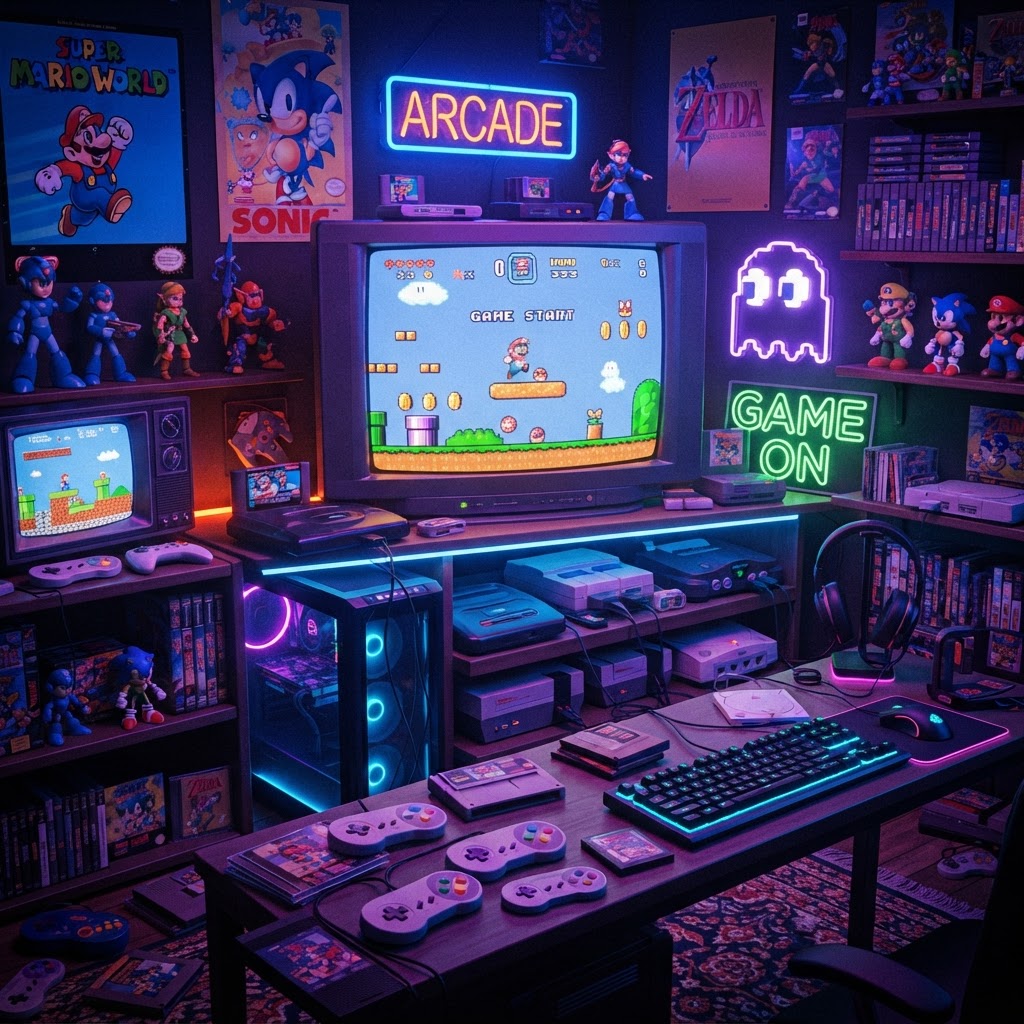
There's something almost sacred about a well-built retro gaming room. It's not just a place to play — it's a shrine to gaming history, a functional collection space, and a genuinely comfortable spot to sink hours into the titles that shaped the medium. But pulling it all together takes more than stacking consoles on a shelf. You need the right accessories to bridge the gap between vintage hardware and modern expectations, protect your collection, display it proudly, and get the cleanest possible image on screen.
This guide covers the best retro gaming accessories for a modern setup, specifically framed around building a dedicated retro gaming room from scratch. We'll walk through video output solutions, controller upgrades, display hardware, collection protection, and the finishing touches that separate a serious room from a casual pile of gear.
Planning Your Retro Gaming Room: What to Prioritize First
Before buying a single accessory, think about what your room needs to do. Are you primarily a player, a collector, or both? A player-focused room prioritizes clean video output and comfortable controllers. A collector-focused room prioritizes display, preservation, and protection. Most enthusiasts fall somewhere in the middle — and the good news is the accessories that serve both goals overlap significantly.
The four pillars of a great retro gaming room setup are:
- Video output quality — getting old consoles looking their best on modern displays
- Controller comfort — playing wirelessly without sacrificing authenticity
- Collection display and protection — showcasing your games and hardware safely
- Content creation readiness — capturing gameplay if you want to stream or archive
Let's break each one down.
Video Output: Getting the Best Picture from Retro Consoles
This is the single biggest technical challenge in any retro gaming room. Older consoles output composite, S-Video, or RGB signals — none of which plug directly into a modern HDMI monitor or TV without help.
S-Video to HDMI: A Cost-Effective Upgrade
For consoles like the Super Nintendo, Nintendo 64, PlayStation 1, and Sega Genesis (Model 1), S-Video is a massive step up from composite and offers a noticeably sharper, more color-accurate image. An S-Video to HDMI Adapter is one of the most affordable ways to run these consoles on a flat-panel display without upscalers that cost hundreds of dollars.
Keep in mind: S-Video won't match the output of a high-end OSSC or RetroTINK setup, but for a budget-conscious retro gaming room, it's a legitimate starting point that dramatically beats the blurry composite signal most people tolerate by default.
The Case for Keeping a CRT
Many serious retro gamers keep a CRT television in their dedicated room specifically for 240p content. Light gun games, scanline aesthetics, and zero-lag input response all argue strongly for a CRT alongside your modern display. If you go this route, keeping the screen clean is essential — a quality CRT Screen Cleaning Kit prevents dust buildup and screen degradation over time, particularly important for sets that have been in storage.
Controllers: Playing Wirelessly Without Losing Authenticity
One of the most practical modern upgrades for a retro gaming room is cutting the cord. Original controllers are beloved for their feel, but short cables and brittle connections make them frustrating in a purpose-built room where you might be sitting several feet from your setup.
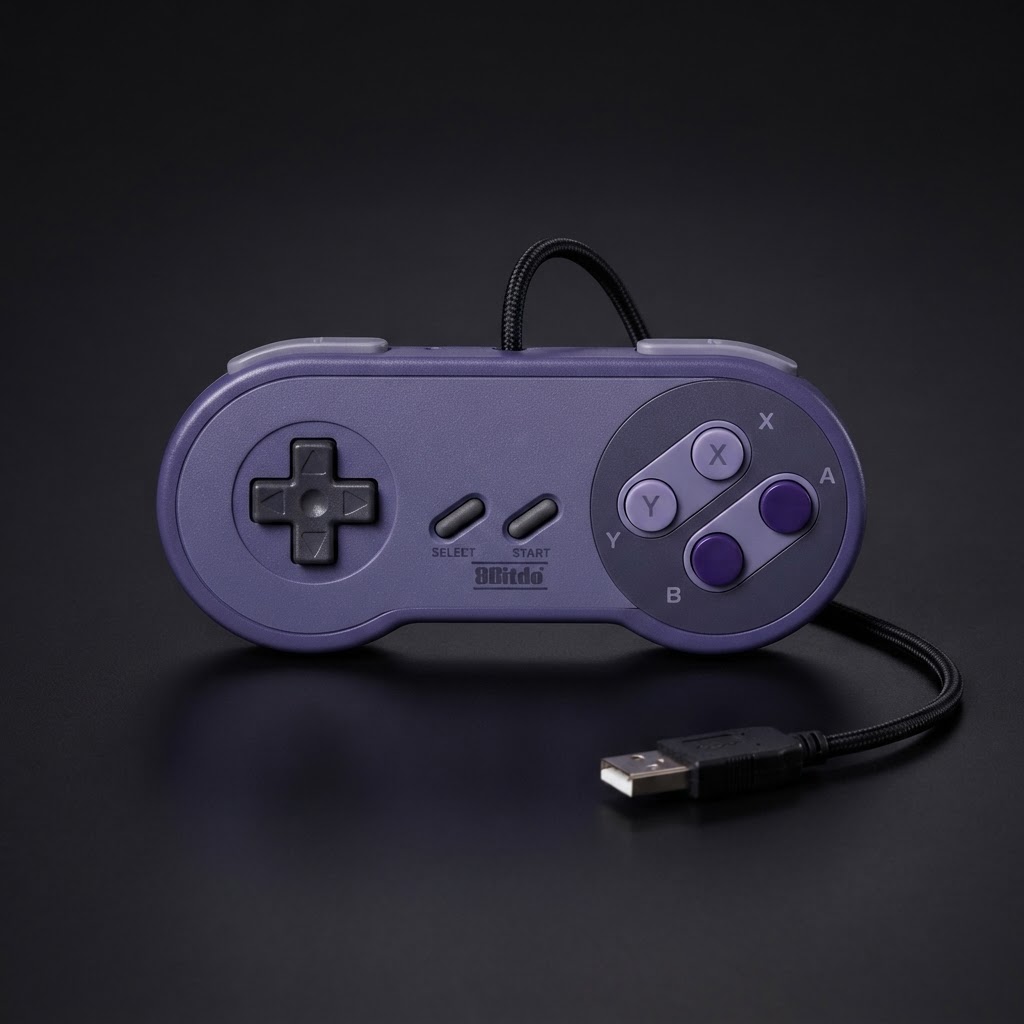
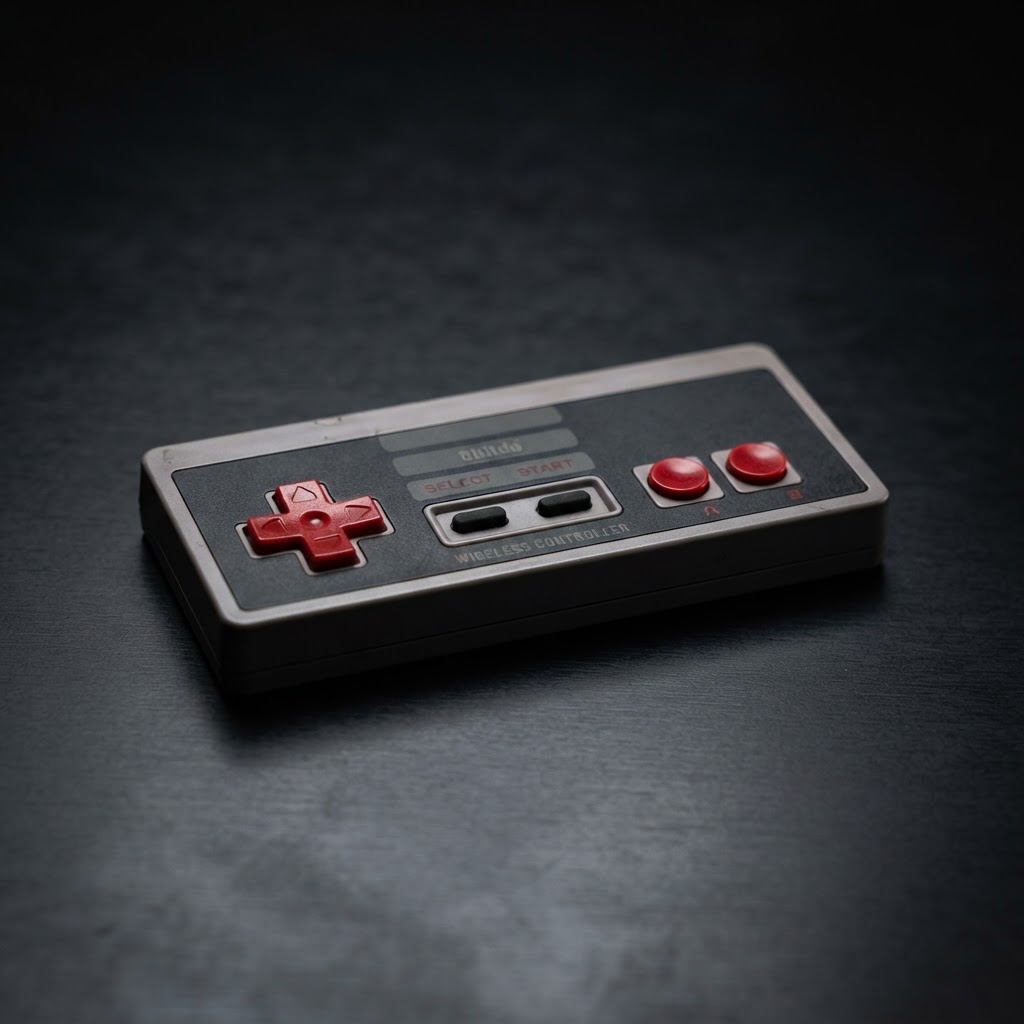
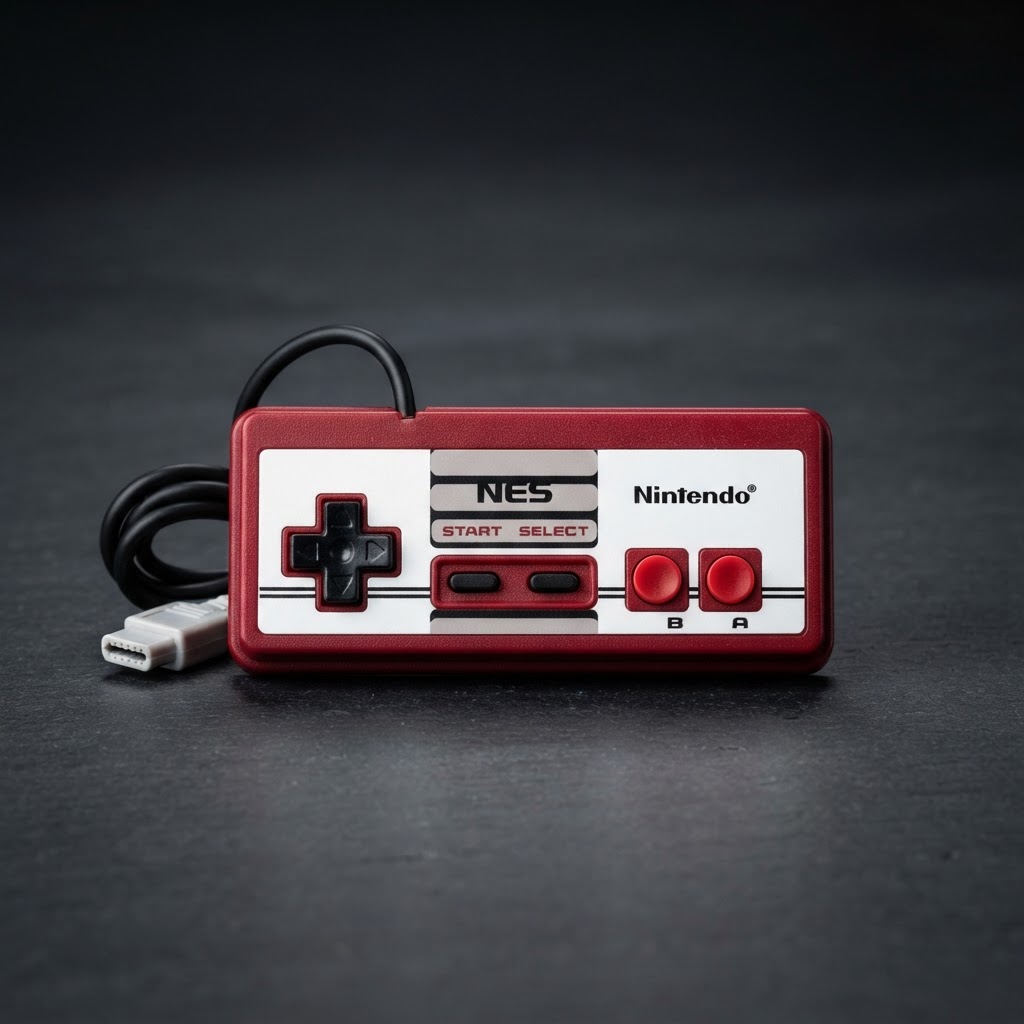
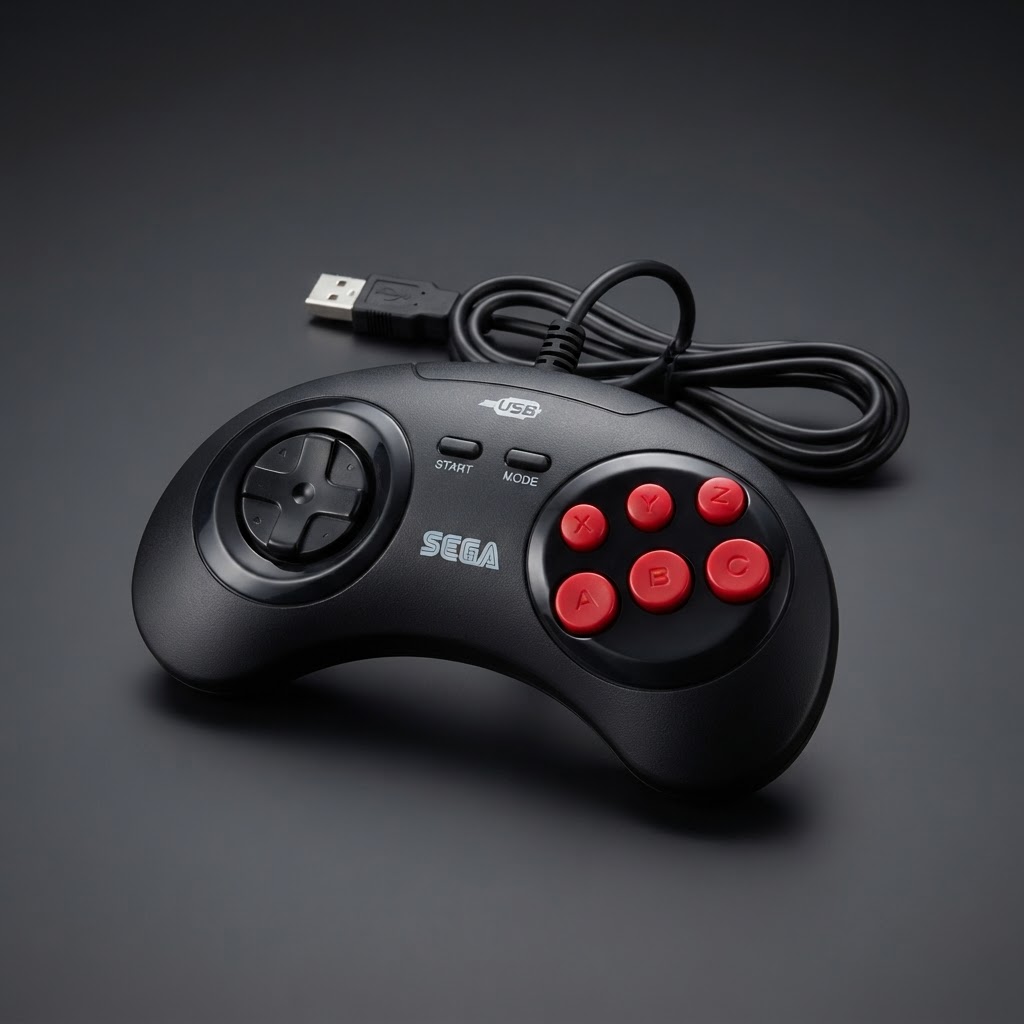
A Wireless Retro Bluetooth Controller solves this elegantly. The best options on the market faithfully replicate the layout and feel of original controllers — SNES, Genesis, NES, and PlayStation designs are all widely available — while adding modern Bluetooth connectivity, rechargeable batteries, and multi-platform compatibility. Many work seamlessly with Raspberry Pi setups, MiSTer FPGA systems, original consoles via receivers, and modern PCs running emulation.
For a dedicated room, buy two. Multiplayer retro gaming is one of the great joys of the hobby, and having a clean matching set of wireless controllers ready to go makes the room feel complete.
Protecting and Displaying Your Collection
A retro gaming room without visible games and hardware is just a dark corner. The display is part of the experience — for you, for guests, and for the long-term preservation of your collection.
Displaying Cartridges Like an Exhibit
Cartridges deserve to be seen. A Limited Edition Game Cartridge Display Case lets you showcase your most prized carts — complete-in-box pieces, rare variants, or regional editions — as the collectibles they genuinely are. Wall-mounted cases double as décor and keep games dust-free and UV-protected. For a dedicated gaming room, grouping by console or era creates a cohesive, intentional look.
Protecting Hardware Between Sessions
Dust is one of the silent enemies of retro hardware. Console vents clog, cartridge slots collect debris, and exposed boards oxidize over time. A Retro Console Dust Cover Set is an inexpensive but genuinely important investment for any room where multiple consoles sit on permanent display. Cover everything that isn't actively in use — your hardware will thank you years from now.
Replacing Dead Save Batteries
If you're playing original cartridges from the SNES, Game Boy, or N64 era, there's a good chance some of your saves are at risk. Internal save batteries in cartridges have a lifespan of roughly 15–20 years, and many carts from the early-to-mid 1990s are living on borrowed time. Keeping a stock of Replacement Game Cartridge Save Batteries on hand means you can replace dead batteries yourself with basic soldering skills — and preserve those precious save files before they're lost forever.
Content Creation: Streaming and Archiving Your Gameplay
A growing number of retro gaming room owners want to share their gameplay — whether streaming live, uploading to YouTube, or simply archiving playthroughs for personal use. A Professional Capture Card for Retro Consoles is the cornerstone piece of equipment for this. Look for options that support the signal outputs your consoles use (composite, S-Video, component) and offer clean passthrough so your gameplay experience isn't compromised while recording.
Paired with free software like OBS, a good capture card turns your retro gaming room into a capable streaming studio with minimal additional investment.
The Finishing Touches: Room Personality and Collector Culture
The best retro gaming rooms have personality. Small details — controller displays, wall art, themed lighting — make the space feel curated rather than cluttered. A Retro Gaming Keychain Set might seem like a small thing, but gifts and themed accessories scattered thoughtfully around a room reinforce its identity and make great conversation starters for guests.
Conclusion: Build the Room You Deserve
A dedicated retro gaming room is a long-term project, and every accessory you add should serve a purpose — protecting your collection, improving your experience, or deepening your connection to gaming history. Start with the fundamentals: clean video output via an S-Video to HDMI Adapter, wireless controllers for comfort, and proper dust protection for your hardware. Then build outward from there.
The room you're imagining is absolutely achievable — and the accessories above are the best place to start.