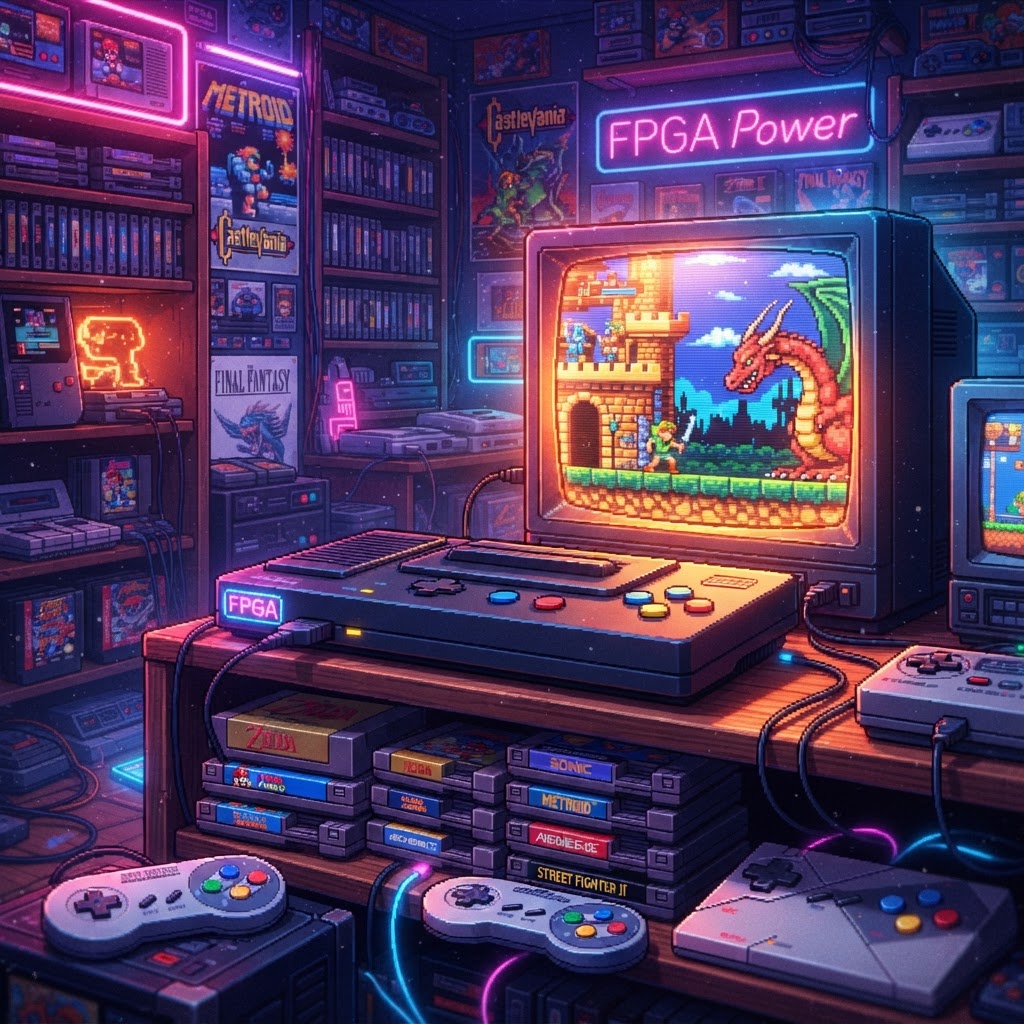
What Is an FPGA Console, and Why Should You Care?
If you've spent any time in retro gaming communities, you've heard the acronym thrown around like gospel: FPGA. Field-Programmable Gate Array. It sounds like engineering jargon, and honestly, it is — but the result is something every retro gamer can feel immediately.
Unlike emulation software, which simulates classic hardware on a modern processor through code, FPGA technology recreates the original hardware at the silicon level. Every clock cycle, every graphical quirk, every audio channel fires exactly as it did on the original chip. The result? Pixel-perfect accuracy, zero input lag, and compatibility with real cartridges. That's the dream.
But are these machines worth $100, $200, or even $500+? We've ranked the top 10 FPGA consoles and considerations to help you decide — and stacked them against what matters most to serious collectors and players alike.
The Top 10 FPGA Consoles Ranked (and Why They Earn Their Spots)
#1 — Analogue Pocket: The Gold Standard for Handheld FPGA
The Analogue Pocket sits at the top of nearly every FPGA ranking for good reason. It supports Game Boy, Game Boy Color, Game Boy Advance, Game Gear, Neo Geo Pocket Color, and more through adapters. Its 3.5-inch 615 PPI display is sharper than any LCD Nintendo ever shipped. For portable retro gaming, nothing comes close. If you own one, display it proudly — a Handheld Console Stand keeps it safe and accessible on your desk between sessions.
#2 — Analogue 3D: The N64 Reimagined
The Analogue 3D FPGA Console is the most anticipated FPGA release in years. An FPGA-accurate recreation of the Nintendo 64, it plays original N64 cartridges in 4K resolution with zero lag. For collectors who want their N64 library running flawlessly on a modern TV without RGB mods or upscalers, this is the endgame machine. Its premium price reflects genuine engineering achievement — not marketing fluff.
#3 — Analogue Mega Sg: The Definitive Sega Genesis Experience
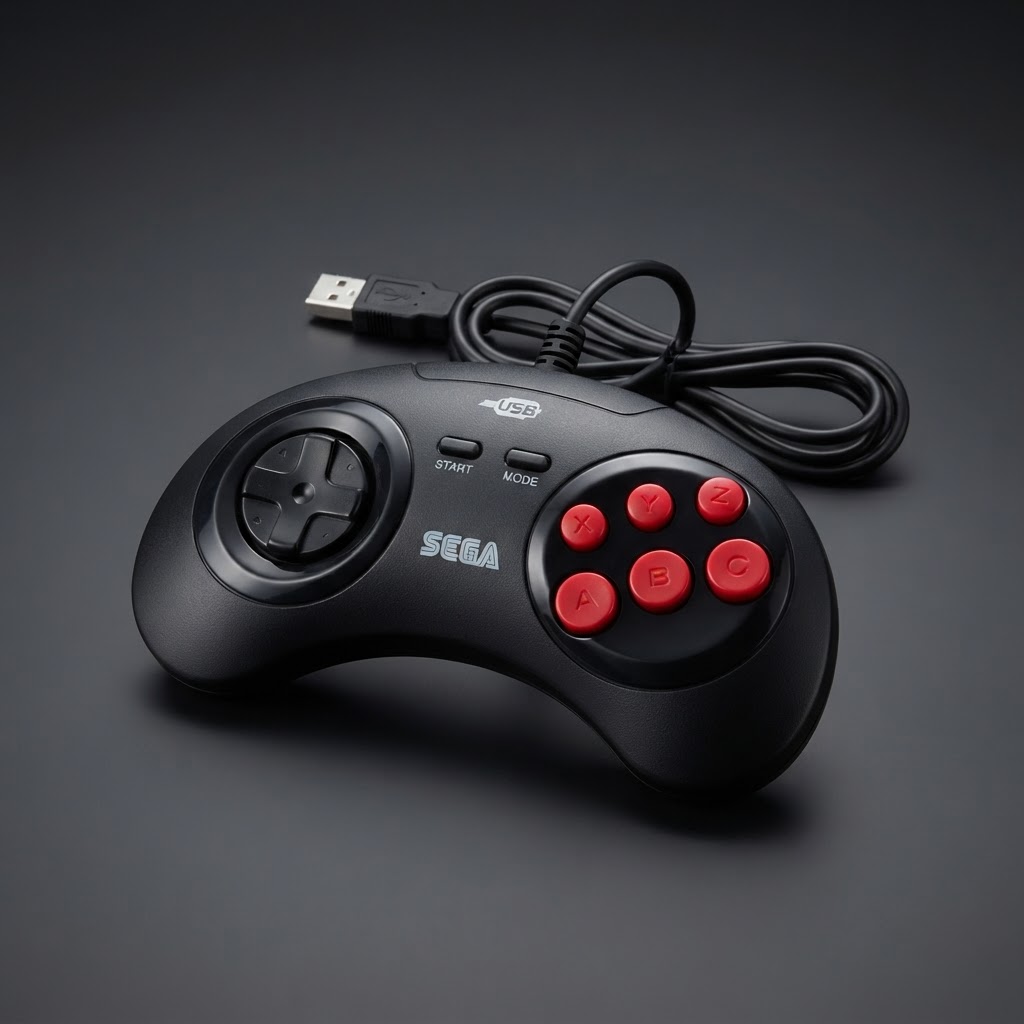
The Mega Sg plays every Sega Genesis, Mega Drive, and Master System cartridge (with adapter) with cycle-accurate precision. Sega fans who've struggled with composite blur or cheap clone consoles will immediately notice the difference. Pair it with a Sega Genesis Style USB Controller for modern wireless convenience while keeping that iconic six-button layout under your thumbs.
#4 — Analogue Super Nt: SNES Perfection
The Super Nt handles the SNES library with the same care Analogue brings to all its hardware. It outputs a clean 1080p signal, supports the original controller ports, and handles notoriously difficult chips like the Super FX and SA-1 better than most software emulators. Speedrunners and competitive players swear by it for lag-free performance on CRTs and modern displays alike.
#5 — MiSTer FPGA: The Open-Source Powerhouse
MiSTer is the enthusiast's choice. It's a DIY FPGA platform based on the Intel Cyclone V chip, capable of running cores for dozens of systems — NES, SNES, Genesis, Neo Geo, Arcade boards, PlayStation, and more. The upfront cost is moderate, but setup requires patience. The community is enormous, cores update constantly, and the flexibility is unmatched. This is the FPGA platform for tinkerers who want one box to rule them all.
#6 — Pocket Extra Cores (via MiSTer Community)
This isn't a separate console, but it earns its own spot: the community core ecosystem surrounding both the Analogue Pocket and MiSTer is a massive value multiplier. Free community-developed cores expand your library dramatically. For the Pocket alone, cores cover Atari, PC Engine, Neo Geo, and Sega systems. This software ecosystem is what separates FPGA platforms from dead-end clone consoles.
#7 — Retrousb AVS: NES on HDMI Done Right
The AVS by Retrousb was one of the first mainstream FPGA NES solutions. It plays original NES and Famicom cartridges via HDMI, handles the Famicom Disk System, and outputs at multiple resolutions. It's not the flashiest option, but it remains a solid, affordable entry point for FPGA newcomers focused on the Nintendo 8-bit library.
#8 — Spiritual FPGA Value: Mods and Preservation
FPGA consoles shine brightest when paired with well-maintained original hardware. Collectors who keep their original consoles in display-worthy condition alongside FPGA units get the best of both worlds. Protect your vintage machines with a Retro Console Glass Display Case and keep them exhibition-ready while your FPGA handles daily play duty. For hardware that needs TLC first, a Retro Console Restoration Tool Kit is essential for cleaning contacts, replacing capacitors, and bringing aging boards back to life.
#9 — Content Creation with FPGA Consoles
FPGA consoles are increasingly popular among retro gaming content creators because the output signal is clean, stable, and lag-free — exactly what you need for high-quality recordings. If you're streaming or producing YouTube content with your FPGA setup, a Professional Capture Card for Retro Consoles ensures your signal is captured without compression artifacts or frame drops. The accuracy of FPGA output means your audience sees exactly what the original hardware intended.
#10 — The Experience Ecosystem: Gaming the Right Way
Owning an FPGA console is about more than hardware accuracy — it's about how you play. Setting up a dedicated retro gaming space with the right seating makes marathon sessions genuinely enjoyable. A Retro Gaming Recliner Chair rounds out the setup, giving you the comfort to actually appreciate the pixel-perfect image your expensive FPGA hardware is delivering.
Are FPGA Consoles Worth the Price? The Honest Answer
For accuracy-obsessed players and serious collectors: yes, absolutely. FPGA hardware eliminates the compromises of software emulation — input lag, inaccurate audio, graphical glitches, and licensing gray areas. If you play competitively, speedrun, or simply refuse to accept anything less than the authentic experience, FPGA is worth every dollar.
For casual players: The value equation is tighter. Budget clone consoles and well-configured emulation PCs can deliver 90% of the experience at 20% of the cost. FPGA shines brightest when you notice the difference — and many players genuinely do once they've experienced it side by side.
The bottom line: FPGA consoles are the vinyl records of gaming. More expensive, more precise, and deeply satisfying for people who care about the details.
Final Verdict
Whether you start with the versatile MiSTer, the elegant Analogue Pocket, or jump straight to the landmark Analogue 3D FPGA Console for your N64 collection, FPGA technology represents the future of retro gaming preservation. These machines don't just play old games — they honor them.
Ready to build your ultimate retro setup? Start exploring and play the classics the way they were truly meant to be experienced.