There are few feelings worse in gaming than booting up your Super Nintendo, slotting in your cartridge of Final Fantasy VI, and finding the save battery has died — taking 30 hours of your teenage memories with it. Game save preservation is one of the most overlooked aspects of retro collecting, yet it's also one of the most critical. Whether you're protecting a Pokémon team from 1999 or safeguarding a modern emulation library, this ranked guide covers the 10 best methods to back up and preserve your game save files, ordered from essential basics to advanced pro strategies.
Why Game Save Preservation Matters More Than Ever
Cartridge-based saves rely on small CR2032-style batteries that typically last 15–25 years. Most SNES, Game Boy, and N64 cartridges manufactured before 2000 are now well past that window. Meanwhile, original hardware degrades, memory cards fail, and cloud servers get shut down. Preserving your saves isn't paranoia — it's smart stewardship of gaming history.
#1 — Replace the Save Battery in Your Cartridge
Why it ranks #1: It directly addresses the root cause of save loss on cartridge-based systems and costs under $5.
The single most impactful thing you can do is replace the SRAM save battery in your retro cartridges before it dies. Most cartridges use a standard CR2032 battery held in place by a small retaining clip. You'll need the right tools to open proprietary screws — a Retro Console Restoration Tool Kit includes the gamebit and security screwdriver bits needed for SNES, N64, and Game Boy carts. Replace the battery while the cartridge is powered (using a cart reader) to avoid wiping the save data in the process.
#2 — Use a Dedicated Cart Reader/Writer (e.g., GB Operator, INLretro)
Why it ranks #2: It lets you dump save files directly to a PC for digital backup.
Devices like the GB Operator (for Game Boy family) and INLretro programmer support dozens of cartridge types and allow you to extract .sav files to your computer. Back these up to multiple drives and cloud storage. This is the gold standard for retro cartridge save preservation.
#3 — Enable Cloud Saves on Modern Retro Platforms
Why it ranks #3: It's automatic and requires zero technical effort.
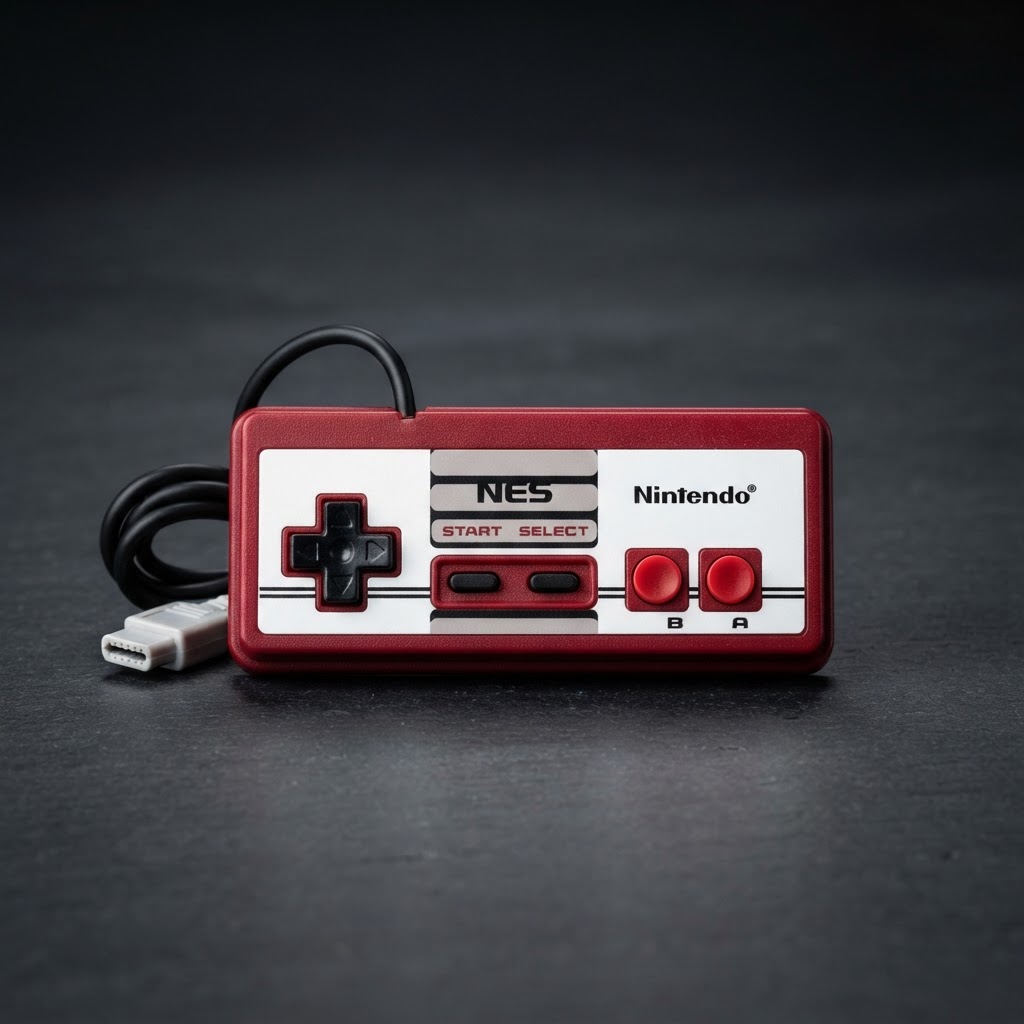
If you're playing retro games via Nintendo Switch Online, PlayStation Plus, or Xbox Game Pass, cloud saves are often enabled by default. Enable them explicitly in your console settings. For Nintendo Switch Online subscribers, NES and SNES library saves sync automatically — pair this with a NES Mini Classic Controller for an authentic feel while your saves stay safely in the cloud.
#4 — Store Cartridges Properly to Prevent Data Corruption
Why it ranks #4: Physical degradation is a silent save-killer.
Heat, humidity, and dust accelerate battery drain and cause SRAM corruption. Keep cartridges in a Multi-Game Cartridge Storage Case in a cool, dry environment away from direct sunlight. Proper storage can extend battery life by years. Additionally, dirty contacts cause read errors that can corrupt saves — use an Anti-Static Cartridge Cleaning Brush regularly to keep pins clean and data transfers reliable.
#5 — Back Up Memory Cards to PC (PS1, PS2, Dreamcast, GameCube)
Why it ranks #5: Memory card failure is common and often sudden.
Memory cards from the PS1/PS2 era use flash memory that degrades with read/write cycles. For PlayStation memory cards, tools like the MemCard Pro or DexDrive allow full backups to PC. For GameCube, the GC Loader or Swiss software can dump memory card contents. Always keep at least two physical copies of important memory cards.
#6 — Use FPGA Consoles With Built-In Save Management
Why it ranks #6: Modern FPGA hardware adds save safety nets to original games.
FPGA consoles like the Analogue 3D FPGA Console replicate original hardware at the chip level while adding modern conveniences like save states and SD card save management. Your saves are written to an SD card rather than a battery-backed chip, meaning they're instantly copyable and immune to battery death. This is the most elegant long-term solution for everyday play.
#7 — Maintain Regular Emulator Save Backups
Why it ranks #7: Emulator saves are easy to back up but easy to forget.
If you play via emulators (RetroArch, ZSNES, Mednafen, etc.), your .sav and .state files are stored in clearly labeled folders. Schedule automatic backups of these folders using tools like FreeFileSync, or sync them with Google Drive or Dropbox. Set a weekly reminder — emulator hard drive failures are just as devastating as cartridge battery death if you haven't backed up.
#8 — Create Save State Archives at Key Story Moments
Why it ranks #8: Save states are a second layer of insurance.
Beyond standard in-game saves, save states capture an exact memory snapshot of the game. Use them at major story milestones — before boss fights, at the start of each dungeon, or after long cutscenes. Name and date your save state files clearly (e.g., FF6_MagiTek_Escape_2024-11.state) so you can navigate them easily if you need to roll back.
#9 — Keep Your Hardware in Working Condition
Why it ranks #9: Dead hardware means inaccessible saves.
A console that won't power on can't transfer save data. Degraded power supplies are a top cause of sudden hardware failure — a failing PSU can corrupt data mid-session. Investing in a Retro Console Power Supply Replacement for aging NES, SNES, or Sega hardware is cheap insurance. Stable, regulated power also reduces the risk of SRAM corruption during gameplay.
#10 — Document and Photograph Your Save Files
Why it ranks #10: Low-tech but surprisingly useful.
For extremely rare or sentimental saves, photograph the save screen with timestamps. Document character names, levels, play times, and locations. This won't restore a deleted file, but it creates a historical record and helps you recreate saves more accurately if restoration fails. It's also a meaningful way to archive your personal gaming history.
Quick Reference: Best Methods by Console Type
| Console | Best Method | |---|---| | SNES / N64 / GBA | Battery replacement + cart reader dump | | PS1 / PS2 | Memory card backup via DexDrive/MemCard Pro | | GameCube | Swiss + SD card backup | | Game Boy | GB Operator + cloud sync | | Modern retro platforms | Cloud saves (Nintendo Switch Online, etc.) | | All emulators | Auto-sync to cloud storage |
Conclusion: Don't Wait Until It's Too Late
Game save files are personal history — they represent real time, real achievement, and real emotion. The methods ranked above range from free (cloud saves, emulator backups) to a modest investment in tools and hardware. Start with #1 and #2 if you have physical cartridges, and build your preservation stack from there.
Ready to start protecting your collection? Grab a Retro Console Restoration Tool Kit and replace those aging save batteries before the next power outage makes the decision for you.