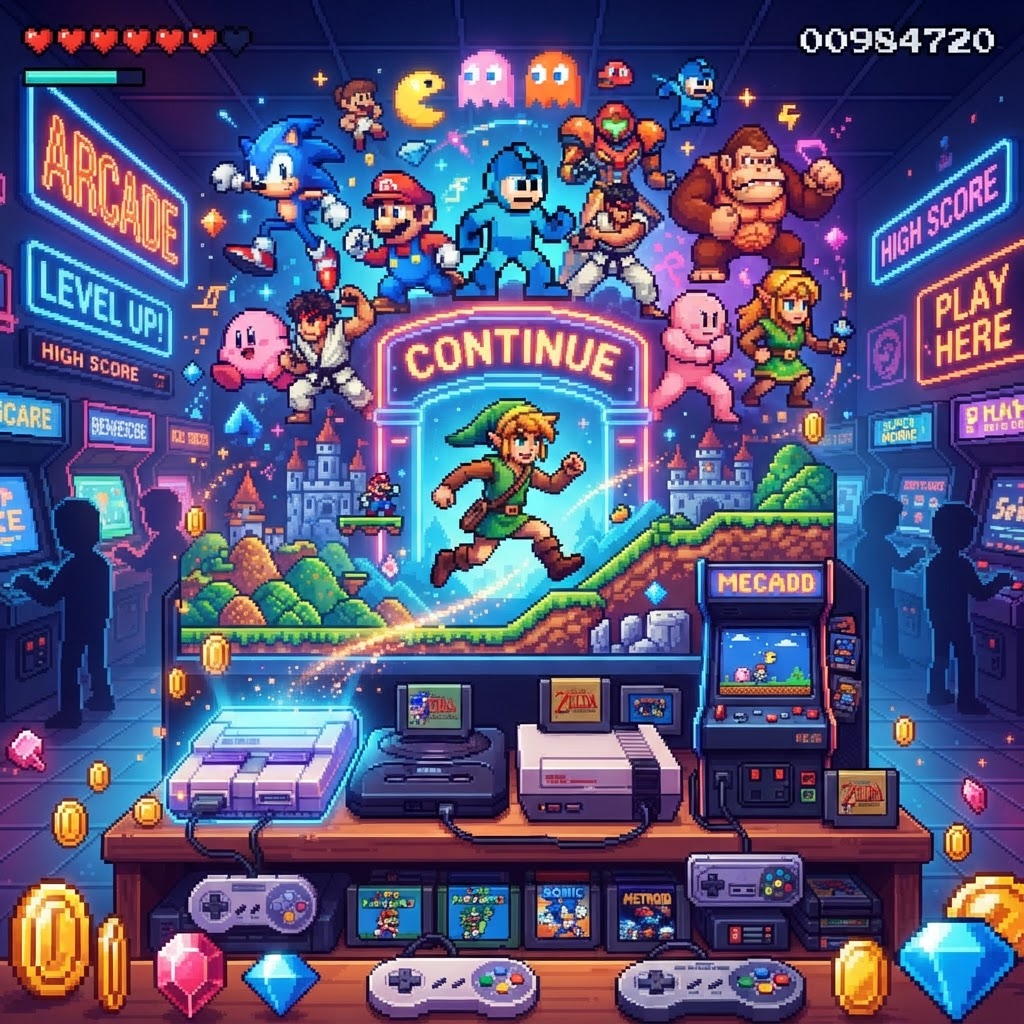
Beyond the Pixels: Why 8-Bit and 16-Bit Art Remains the Gold Standard of Gaming
Discover the artistry behind the legendary games of the 8-bit and 16-bit eras and why these pixelated masterpieces continue to define the soul of modern game design.
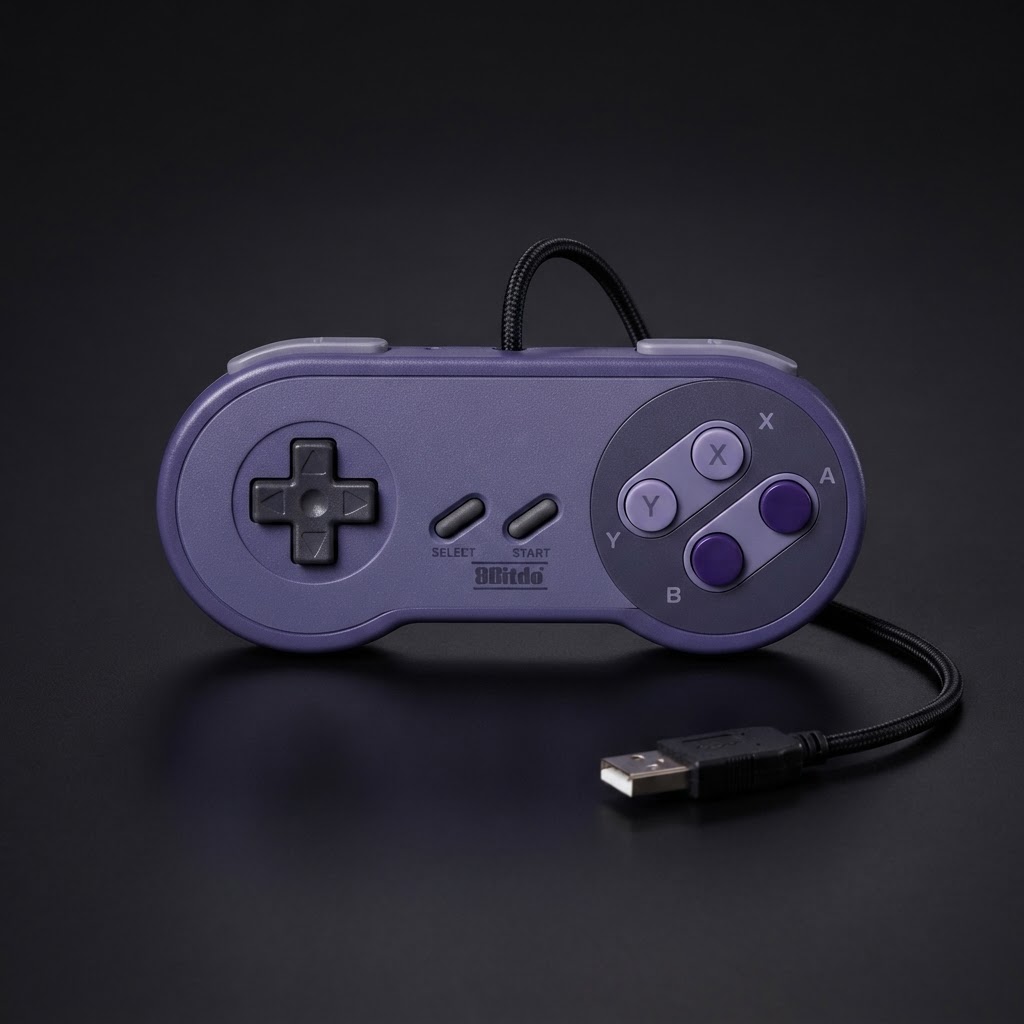
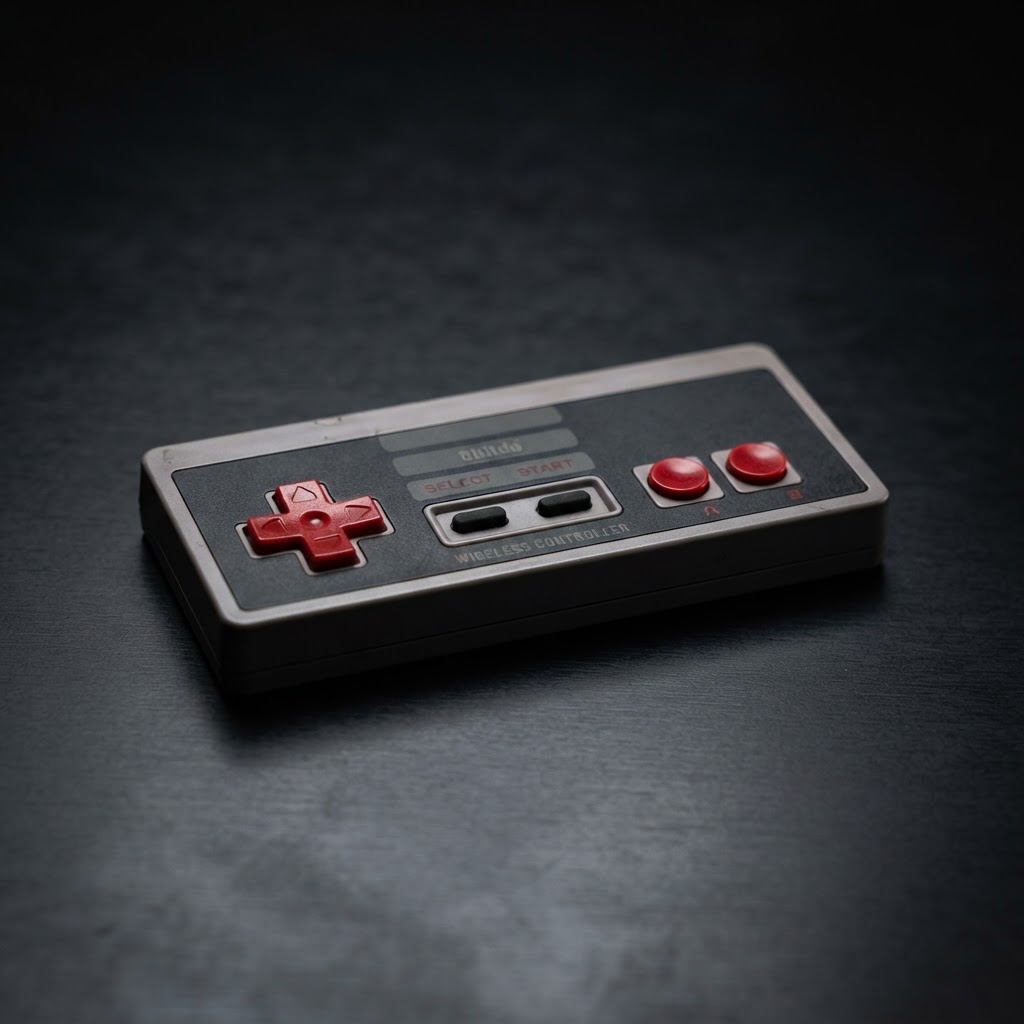
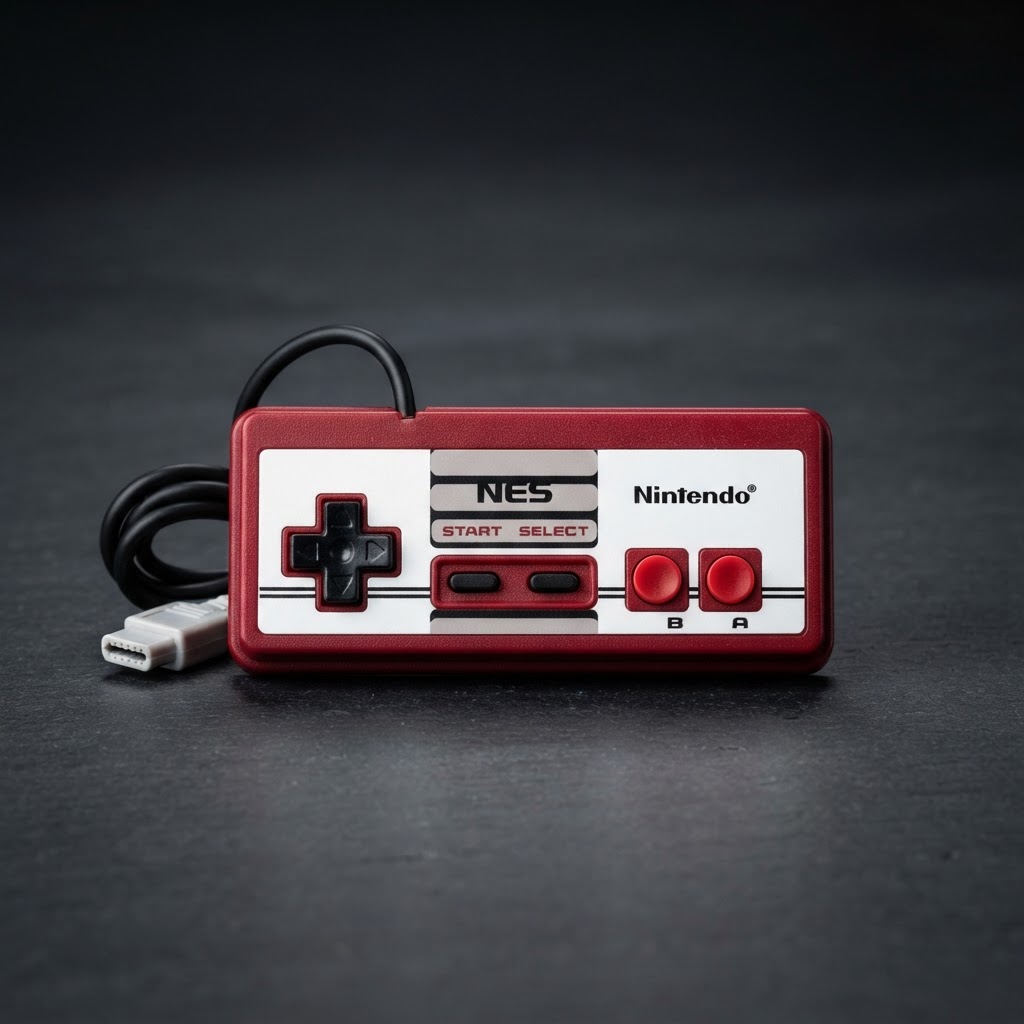
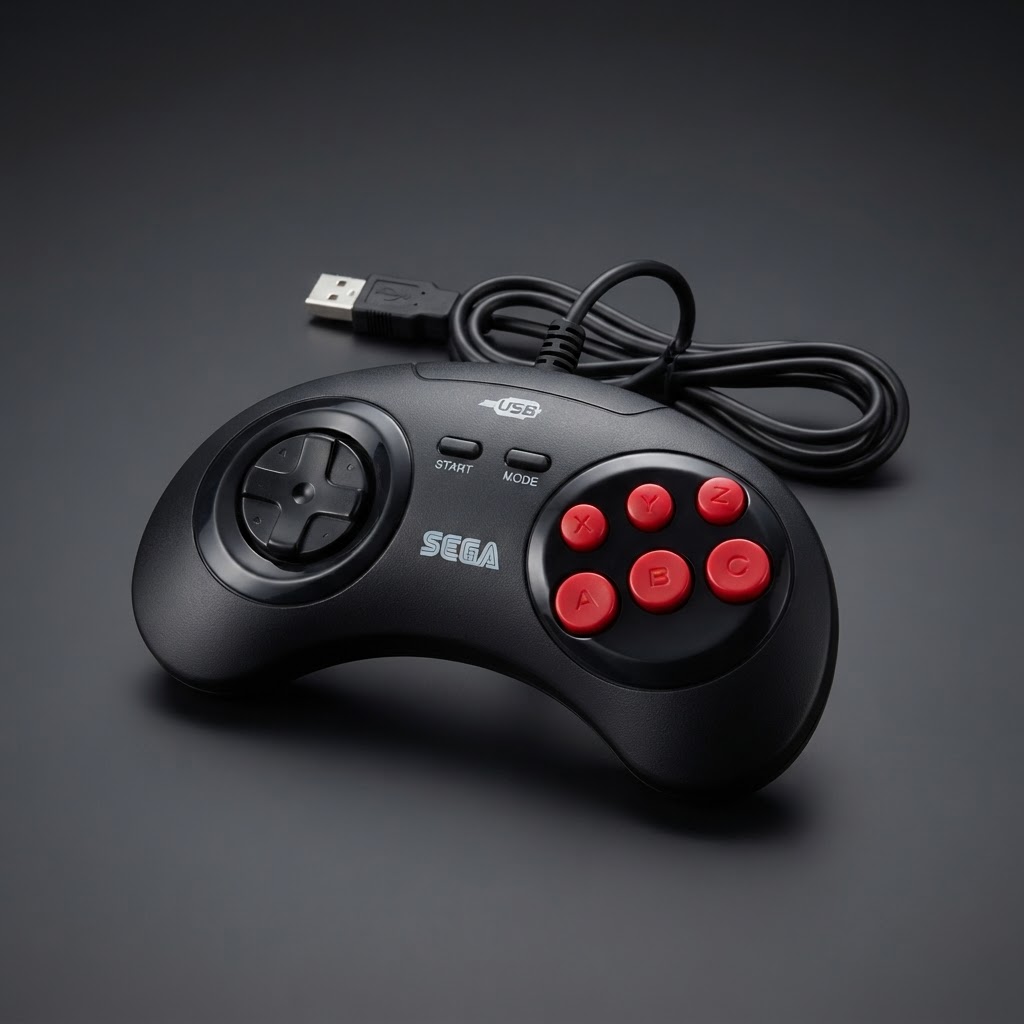
The history of video games is a story of limitations. In the mid-80s and early 90s, developers weren’t struggling with photorealism; they were wrestling with hardware that could barely render a handful of colors on screen at once. Yet, from those tiny, grit-filled constraints came an explosion of creativity. The transition from the 8-bit NES era to the 16-bit Super Nintendo and Sega Genesis period wasn't just a jump in power—it was the birth of a visual language that still informs how we perceive digital adventure today.
The Evolution of Pixel Art: From Necessity to Philosophy
When you look at Super Mario Bros. or The Legend of Zelda, you aren't just looking at blocks of color; you are looking at intentional design. Because memory was so scarce, every single pixel had to perform a job. An artist had to define a character’s personality through a handful of frames.
As we moved into the 16-bit era, the palette expanded, and designers began to focus on environmental storytelling. Titles like Chrono Trigger and Final Fantasy VI proved that pixels could convey deep, emotional, and complex narratives. Today, indie developers return to this aesthetic not because they lack the power for 4K graphics, but because pixel art invites the player’s imagination to fill in the gaps—creating a bond between the screen and the gamer that hyper-realistic graphics often struggle to replicate.
Preserving the Legacy: The Collector’s Responsibility
If you’re revisiting these classics on original hardware, you know that the experience is tactile. It’s the specific click of a controller and the glow of a glass tube. However, hardware is fragile. If you’re pulling your collection out of storage, start by ensuring your gear is maintained. A Console Screw Bit Repair Tool Set is essential for safely cleaning internal dust or replacing failing capacitors.
Moreover, if you have original game boxes that have survived the decades, keeping them pristine is a major part of preserving that history. High-quality Game Box Protector Sleeves are the best way to prevent the shelf-wear that plagues cardboard packaging.
The Pinnacle of 16-Bit Artistry: Games That Define the Era
When we talk about the best pixel art games, three distinct pillars emerge:
1. The World-Building of Chrono Trigger
Released in 1995, this title stands as the zenith of 16-bit sprite work. The way the team at Square managed to show distinct facial expressions and dynamic movement on such limited hardware remains a masterclass in animation.
2. The Atmospheric Depth of Super Metroid
The Metroid series mastered the use of lighting and mood. By using dark, brooding color palettes, the developers turned a simple space station into a claustrophobic, living entity. It serves as a reminder that the best pixel art isn't just about brightness; it’s about contrast and shadow.
3. The Precision of Action Classics
Games like Mega Man X or Streets of Rage 2 utilized "action-oriented" pixel art, where the animation speed was tied directly to input response. To truly experience these games as intended, you need responsive controls. Many enthusiasts prefer a Hori Fighting Stick Arcade Controller to recapture that authentic arcade feel that standard gamepads often miss.
Why We Still Care
We return to these games because they represent a "pure" era of design. There were no microtransactions, no day-one patches, and no massive open worlds filled with filler. There was only the screen, the controller, and the world the artist created. Whether you are playing on an original CRT or modern hardware, the core experience remains untouched by time.
If you’re ready to dive back into your library, take a moment to ensure your setup is optimized. If you’re juggling multiple systems, a Multi-Console AV Switch Box can keep your retro corner clean and accessible, making it easier than ever to jump between your favorite 8-bit and 16-bit worlds.
What was the first pixel-art game that truly captured your imagination? Whether you’re looking to protect your original boxes or upgrade your controller setup, keep the spirit of these classics alive by maintaining your gear properly. Check out our collection of Game Box Protector Sleeves today to ensure your collection stands the test of time.