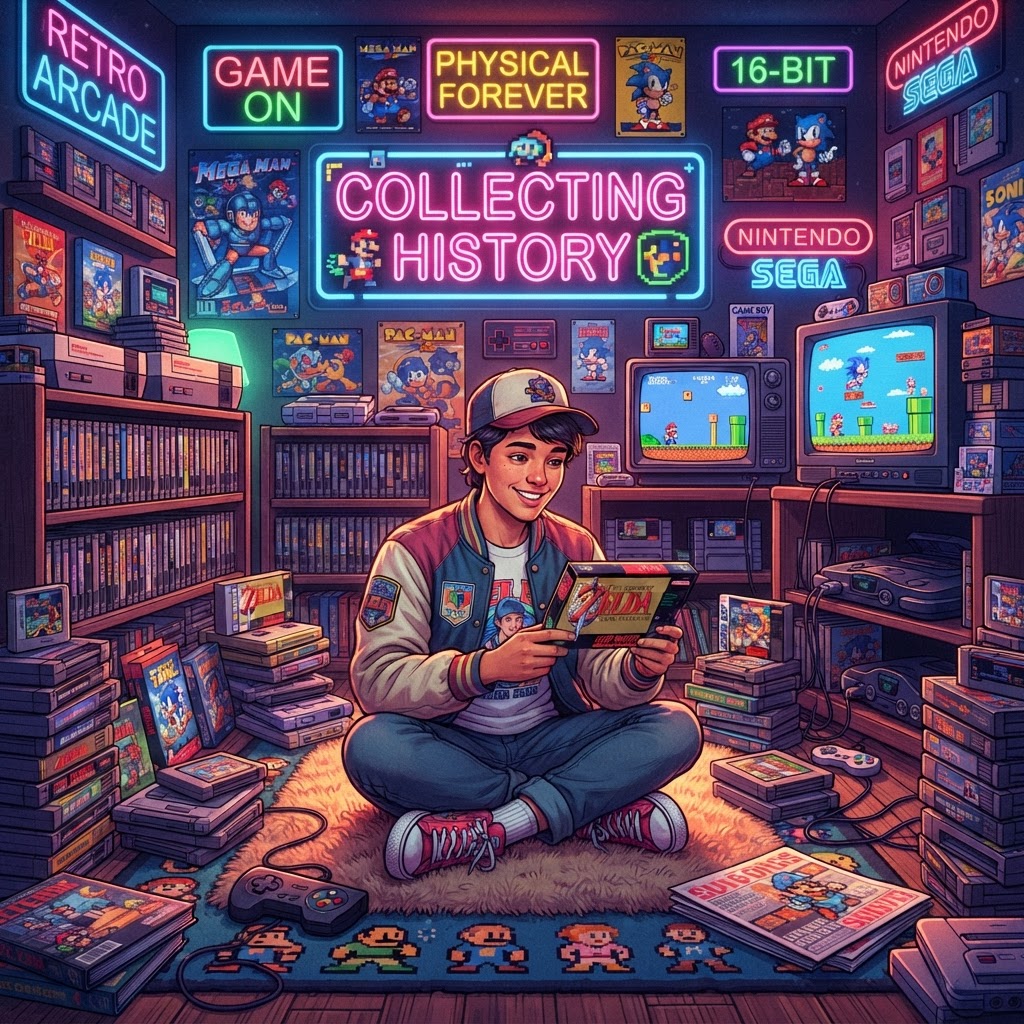
Why Physical Game Collecting is Making a Comeback: A Beginner’s Guide to Owning History
Discover why modern gamers are ditching digital downloads for the tactile charm of physical media and how you can start your own retro collection today.
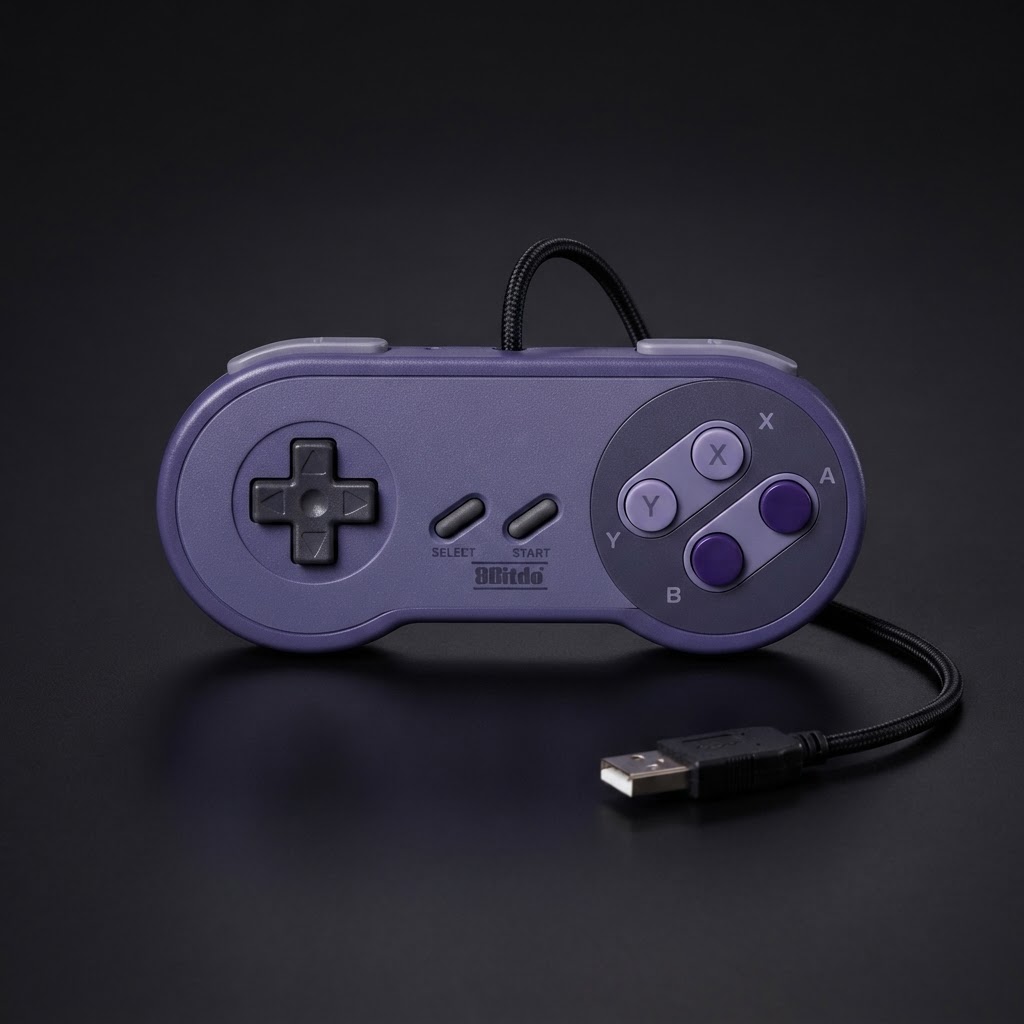
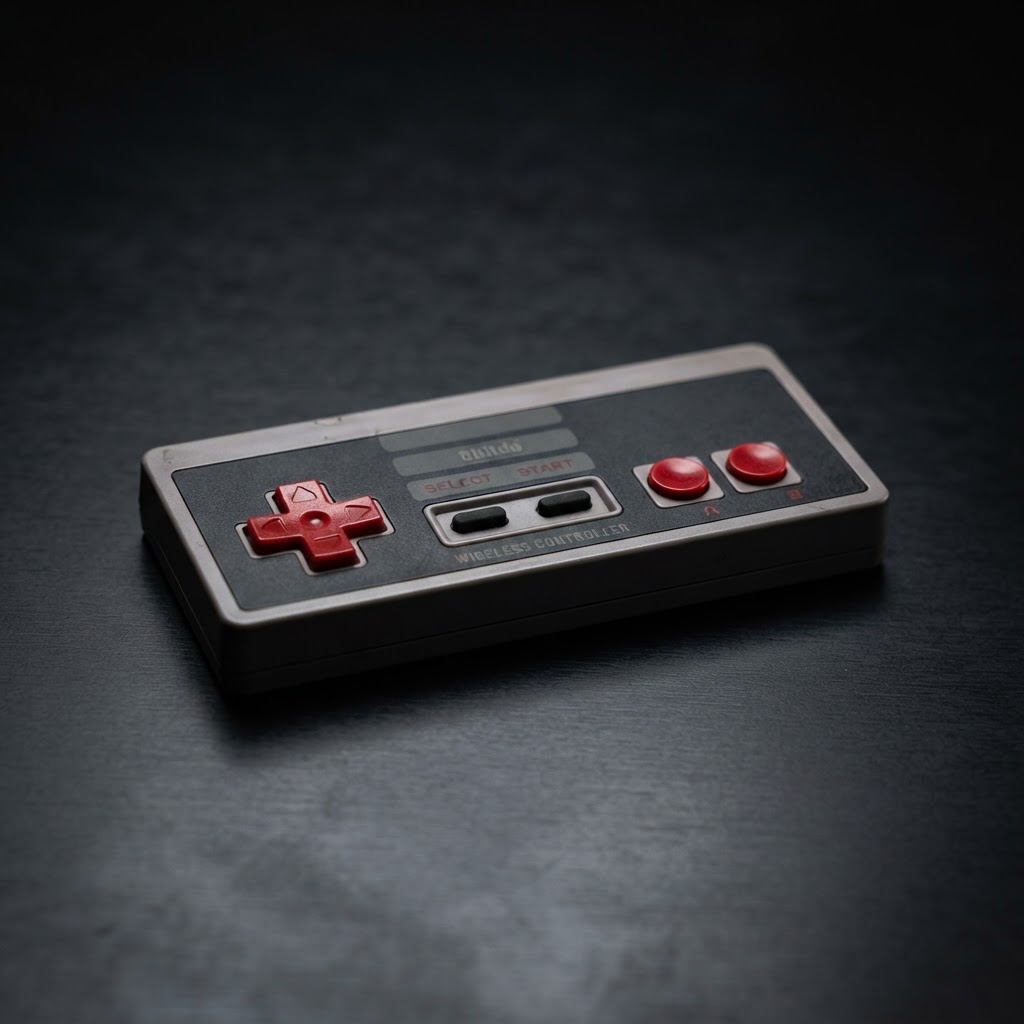
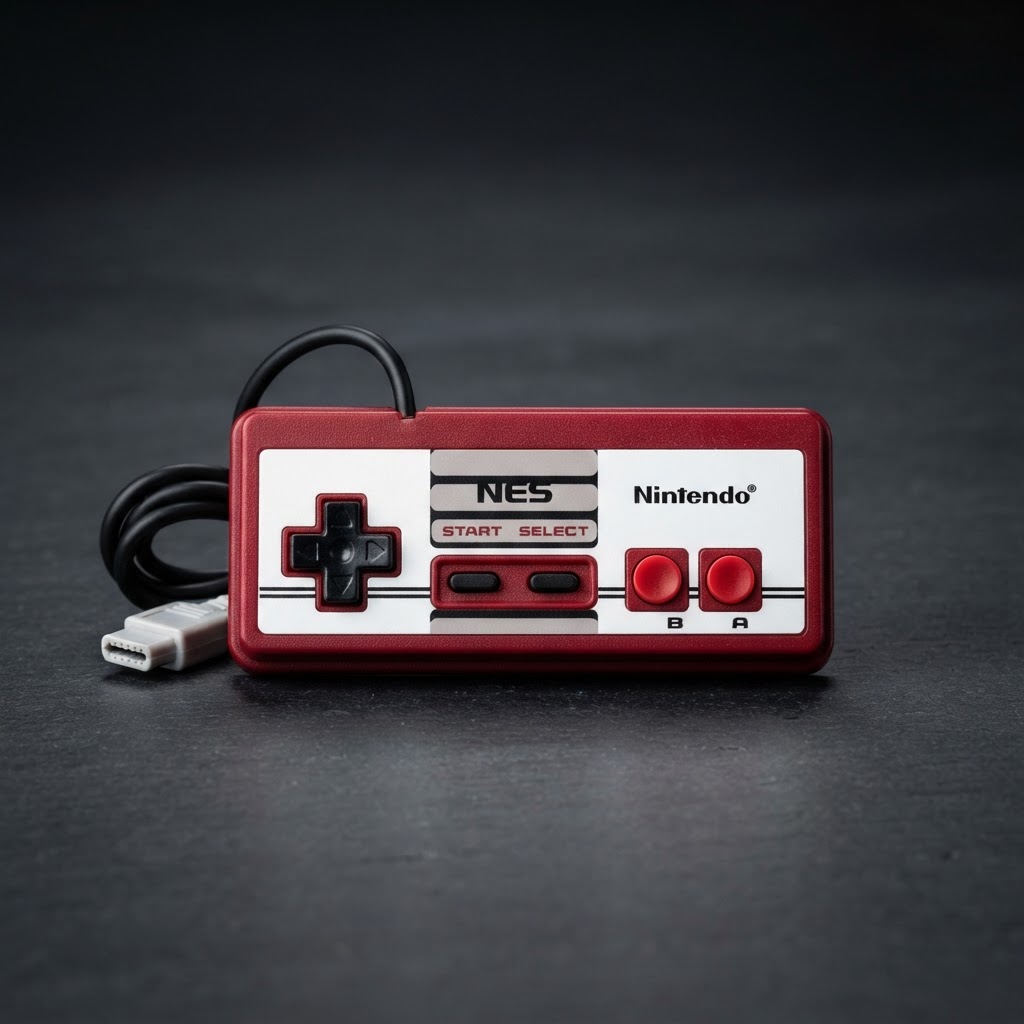
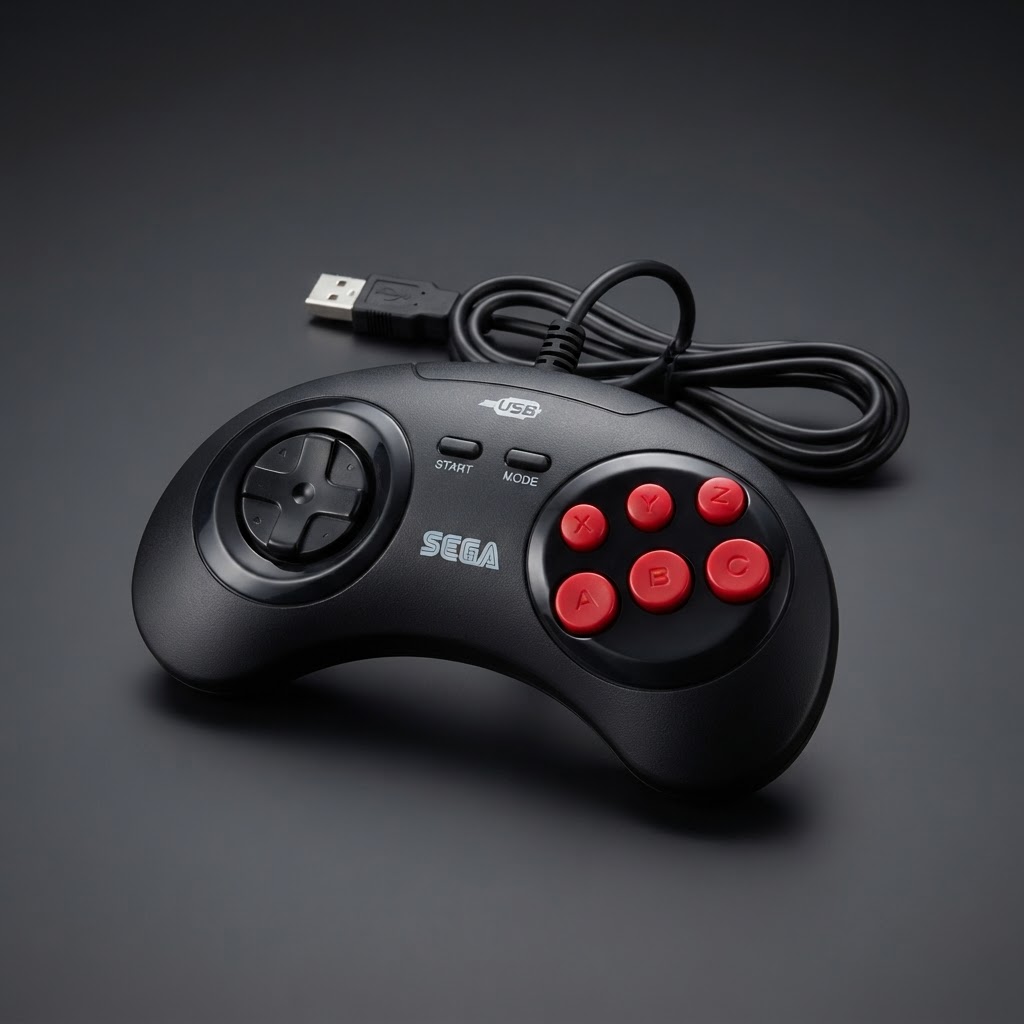
There is a specific, quiet magic in the "clack" of a plastic cartridge sliding into a slot. In an era where games are invisible files on a server, accessible only as long as an internet connection holds, a growing number of people are turning back to physical media. They aren’t just buying games; they are reclaiming the right to own, display, and preserve their entertainment. If you have never held a real console controller or experienced the weight of a game box, you are missing out on the most rewarding way to play.
Why Do People Still Collect Physical Games?
The shift toward physical collecting isn’t just about nostalgia—it’s about permanence. When you buy a digital game, you are essentially purchasing a revocable license to play it. When the servers shut down or your account is compromised, the game disappears.
Physical media offers true ownership. Once you own the hardware and the cartridge, no update, terms-of-service change, or internet outage can take that experience away from you. Beyond the utility, there is the aesthetic. A shelf filled with titles you’ve hunted for, played, and kept in great condition tells a story. To make your collection feel like a true exhibit, many enthusiasts start by adding a Collectible Video Game Character Statue to their display, turning a stack of games into a curated, personal museum.
Is Physical Collecting Expensive for Beginners?
The common myth is that you need thousands of dollars to start. In reality, you can begin with a small budget. You don't need to buy the rarest titles to have fun. Start by visiting local thrift stores, flea markets, or retro game shops.
If you are intimidated by the maintenance of vintage hardware, don't worry. Many modern collectors use high-quality hardware like the Analogue 3D FPGA Console to play original physical cartridges on modern televisions with zero lag. It bridges the gap between 90s hardware and 4K displays, ensuring your collection remains playable for decades to come.
Essential Tips for New Collectors
When you buy older games, you are buying history, which means these items have lived a life. Here is how to keep your collection running smoothly:
- Maintenance is Key: Older cartridges rely on small internal batteries to save your game data. Over time, these dry up. You can easily maintain your collection by picking up a Game Cartridge Battery Replacement Kit, allowing you to keep your save files intact.
- Keep Things Organized: If you’re juggling multiple consoles, cable management can become a nightmare. Using a Multi-Console AV Switch Box allows you to hook up your vintage systems to one TV without constantly swapping cables behind your unit.
- Track Your Progress: Part of the fun is documenting what you find. I highly recommend using a Retro Gaming Journal & Notebook to log your finds, write down your impressions of each game, and note which titles you are hunting for next. It adds a layer of depth to the hobby that a digital library simply can't provide.
The Future of Physical Media
The "retro" label is a bit of a misnomer. These games are pieces of digital art that helped build the billion-dollar industry we enjoy today. By participating in physical collecting, you aren't just hoarding plastic; you are acting as a steward of gaming history. You are ensuring that these experiences remain available for future generations to discover, free from the constraints of digital rights management.
Whether you're looking for the thrill of the hunt at a yard sale or simply want to display your favorite titles with pride, there has never been a better time to start. Physical media offers a tactile connection to the games we love, proving that some things—like the satisfying "thunk" of a console starting up—never truly go out of style.
Ready to start your journey? Grab a Retro Gaming Journal & Notebook today and start mapping out the first titles you want to track down for your new collection!