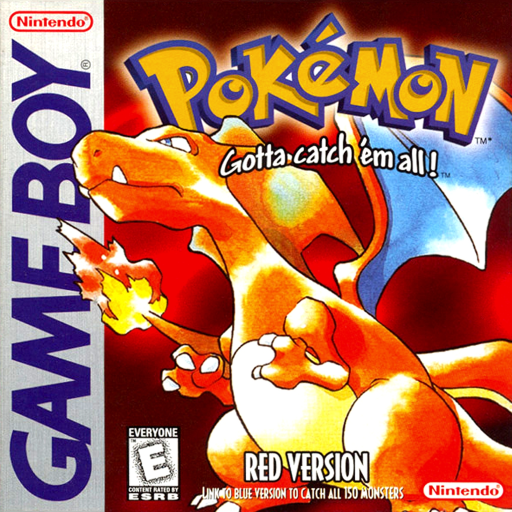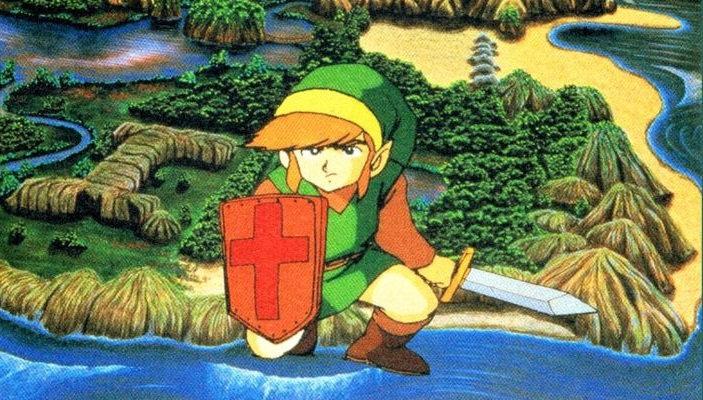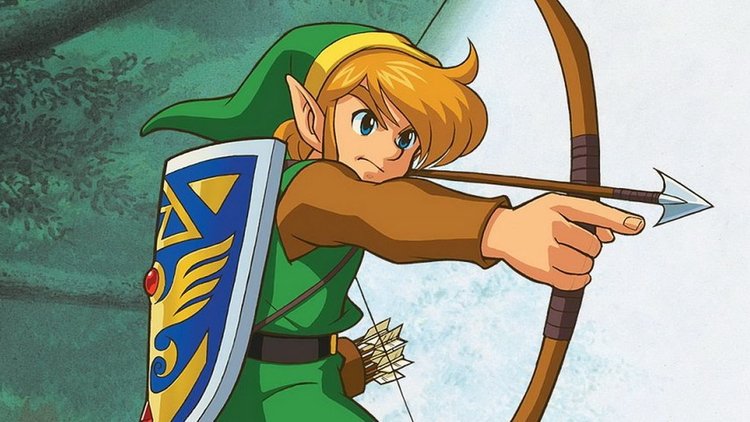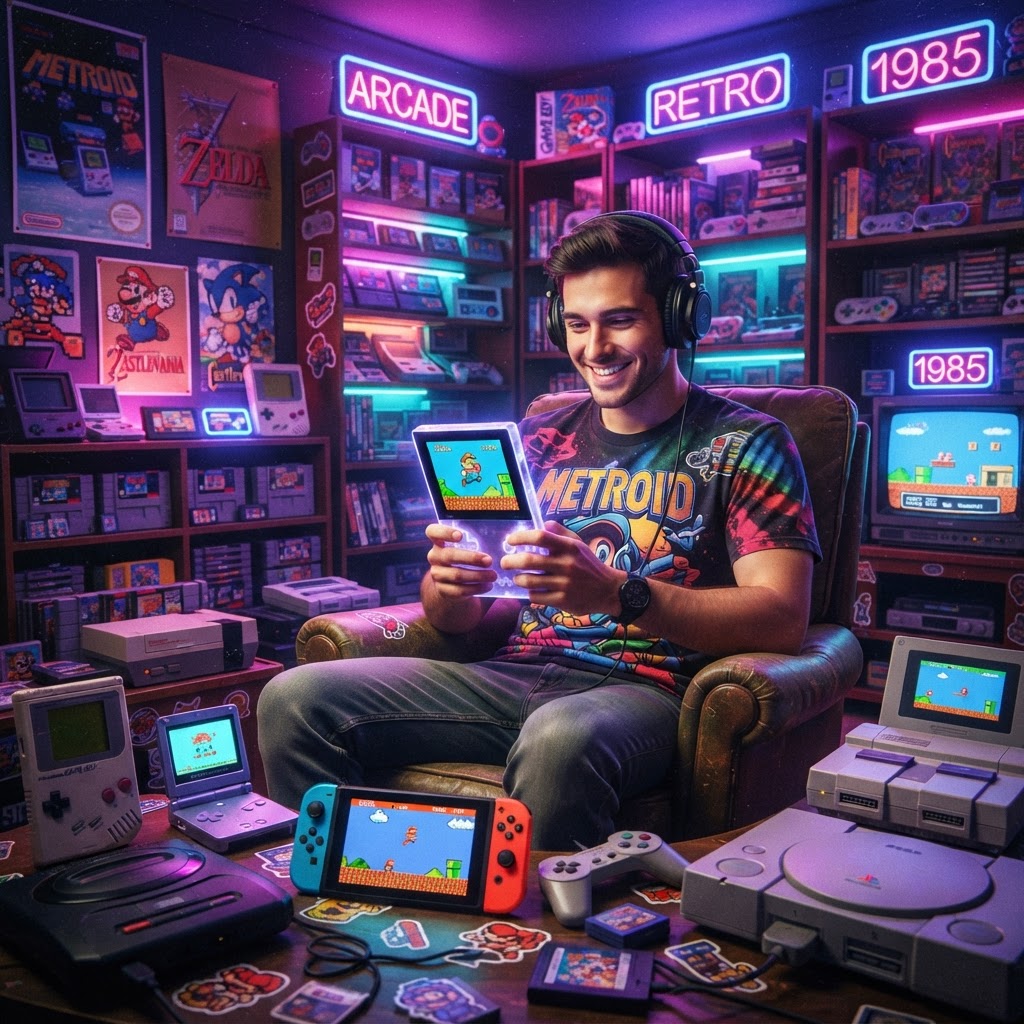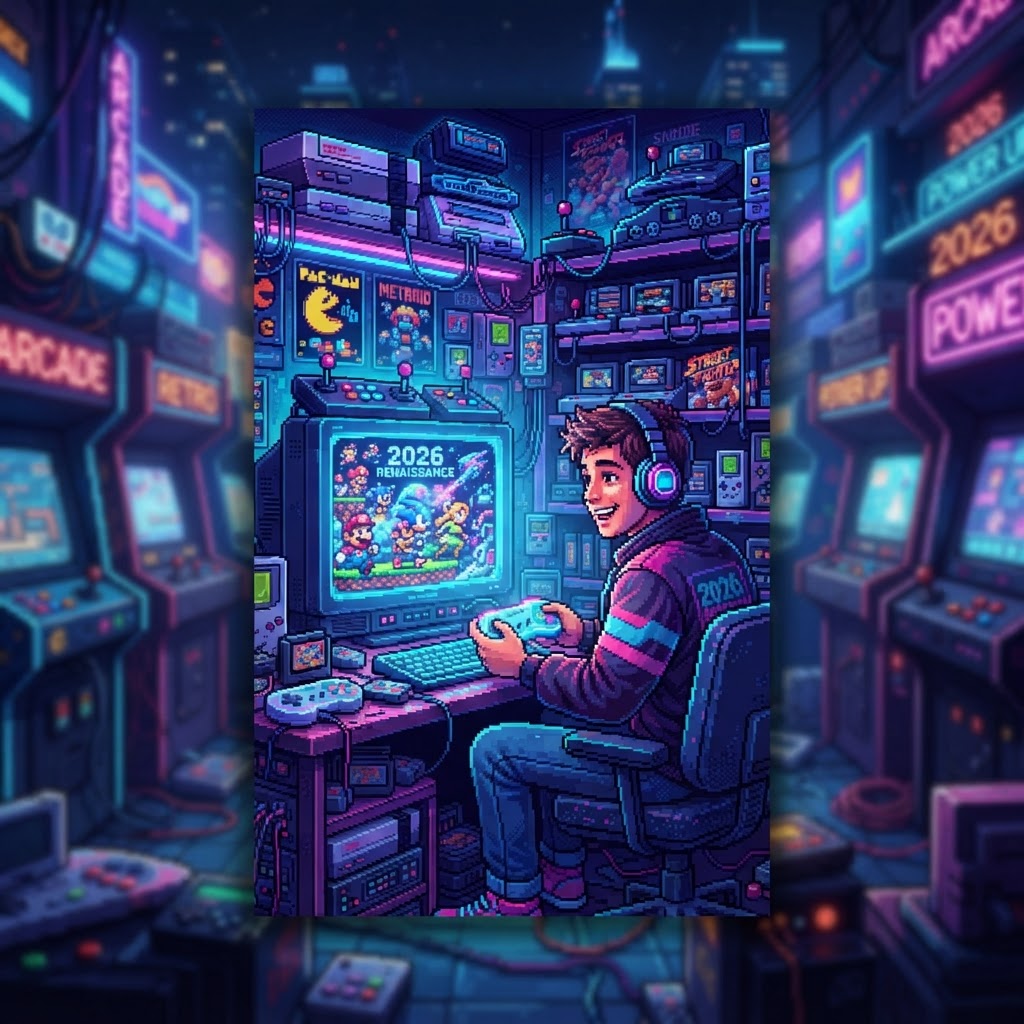
The year is 2026. We are living in an era of hyper-realistic, AI-generated graphics and massive open-world simulations that take up terabytes of storage. Yet, if you look at the trending lists on social media or walk into a local game shop, you’ll notice a curious trend: the brightest stars in the room are the ones from 1985, 1994, and 2002. Retro gaming hasn't just survived the test of time—it is currently experiencing its most explosive growth in history.
Why are we collectively retreating to the comfort of 8-bit soundtracks and crunchy scanlines? It comes down to a craving for tangible ownership, manageable complexity, and the raw, unadulterated "soul" that defined early game design.
The Cultural Shift Toward Analog Authenticity
In 2026, the term "digital fatigue" is a reality. Players are tired of live-service updates, microtransactions, and day-one patches that never seem to fix the game. Retro gaming offers a breath of fresh air: you buy a game, you own it, and it works perfectly the moment you pop it into the console.
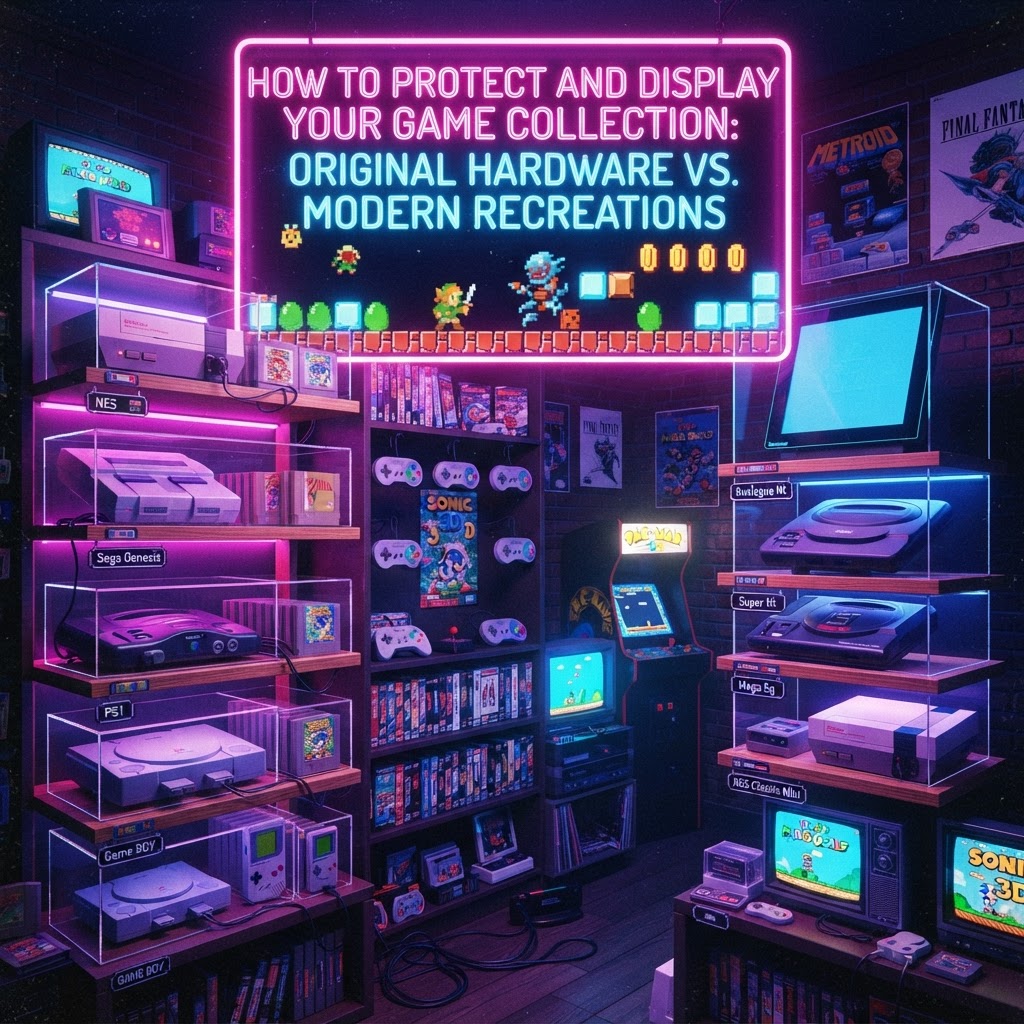
There is a tactile satisfaction in this hobby that digital downloads simply cannot replicate. For many of us, the ritual is just as important as the gameplay. Whether it’s carefully inserting a cartridge or organizing your collection, there is a physical weight to retro gaming. To keep your library in pristine condition, most enthusiasts now swear by a high-quality Game Cartridge Cleaning Kit to ensure those pins stay conductive and your console runs like a dream for another thirty years.
Bridging the Gap Between Eras
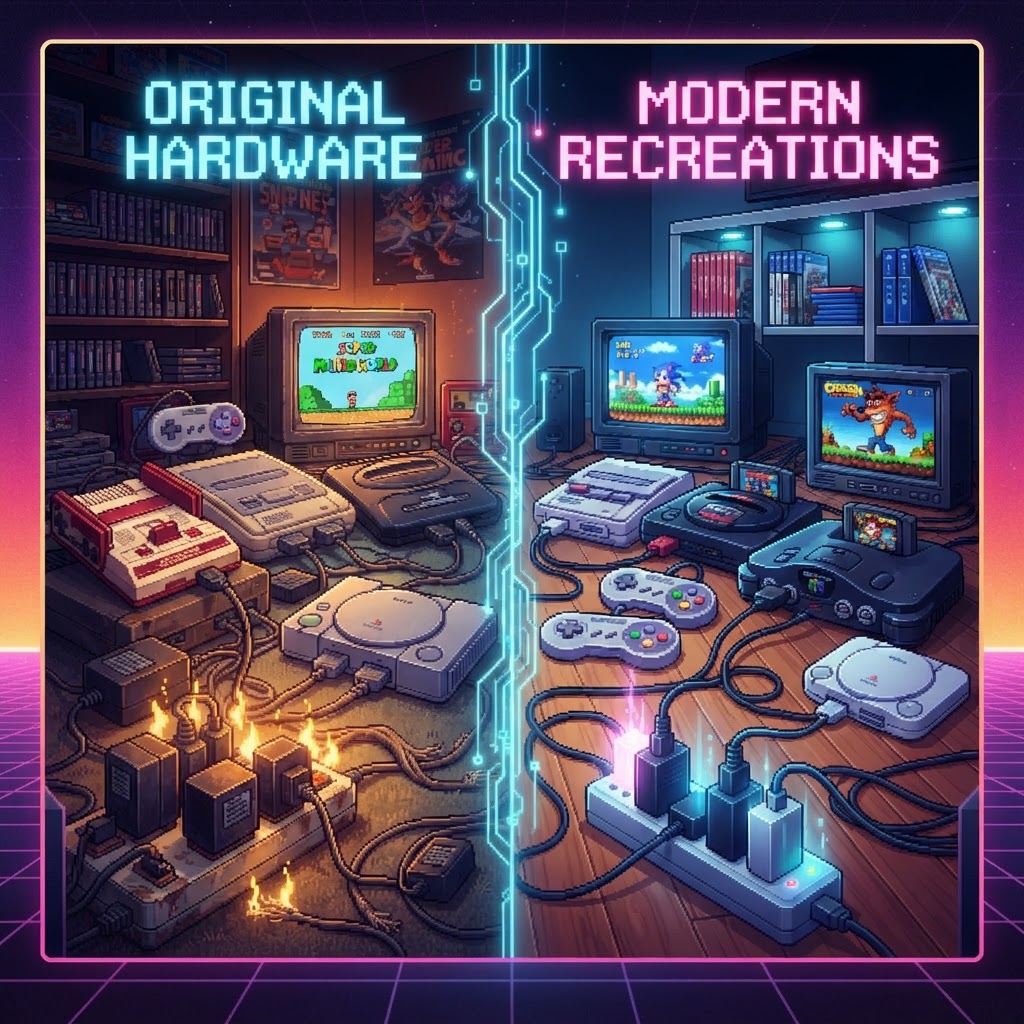
One of the biggest hurdles for retro enthusiasts in the past was the hardware bottleneck. Trying to plug a vintage console into a modern 8K wall-mounted TV often leads to blurry, stretched, or incompatible signals. Fortunately, the tech industry has caught up.
If you’ve pulled your old Super Nintendo or PlayStation out of the attic, you no longer need to hunt down an ancient tube TV. A reliable Component to HDMI Converter acts as the perfect bridge, allowing you to enjoy your original hardware on modern displays with sharpened colors and minimal input lag. This accessibility is a primary reason why the retro scene has seen such massive adoption among Gen Z and younger players who are curious about the origins of their favorite modern franchises.
Why Retro Gaming is a Multi-Generational Community
Unlike the competitive, fast-paced nature of modern esports, retro gaming is largely built on discovery and curation. It’s about the hunt for the "lost" cartridge, the joy of finally beating a boss that haunted your childhood, and sharing that experience with a community that values history.
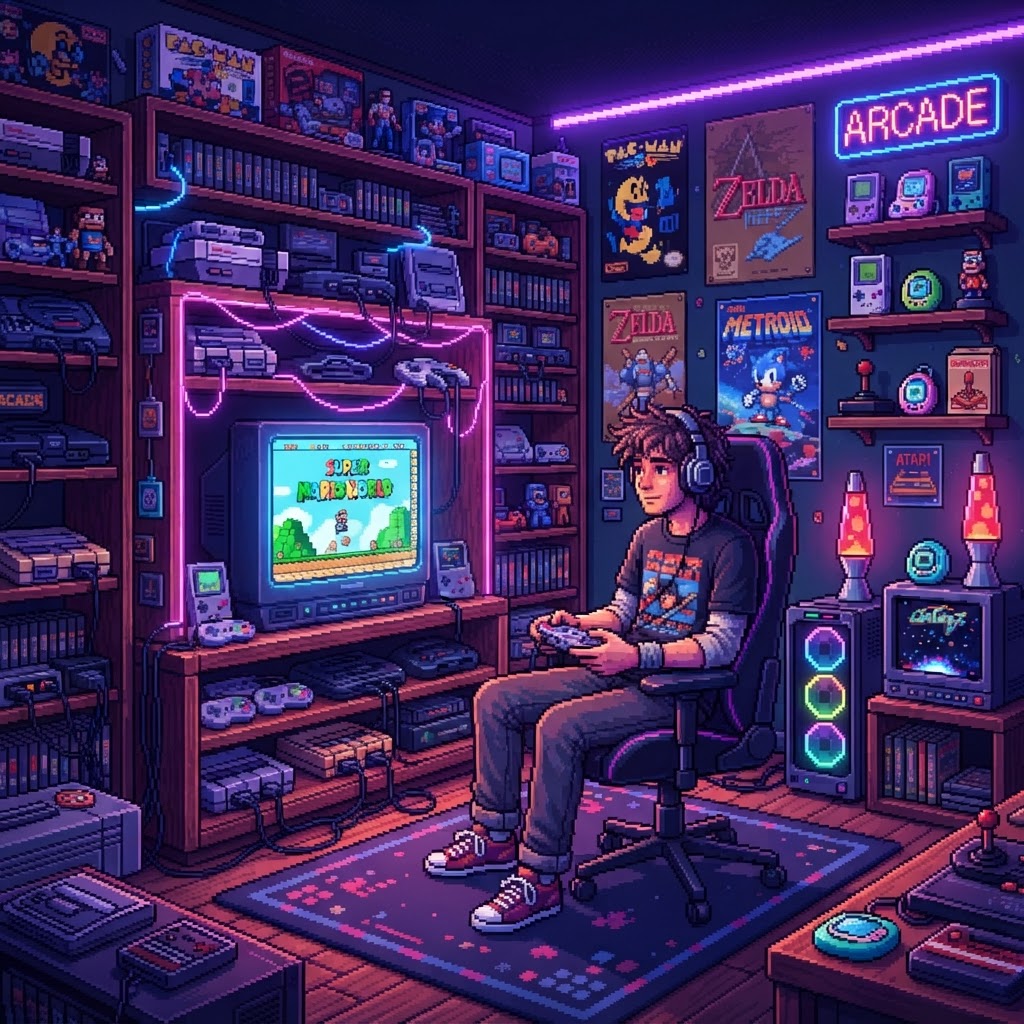
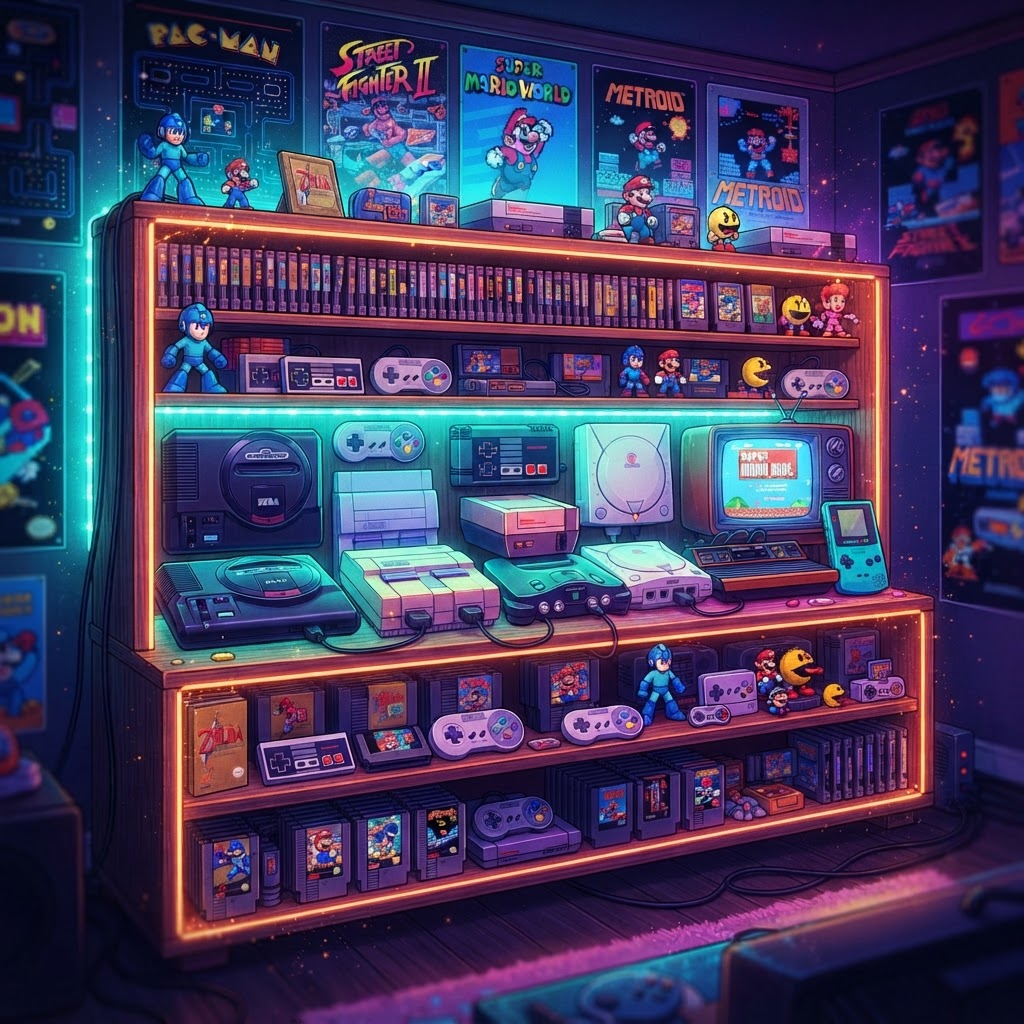
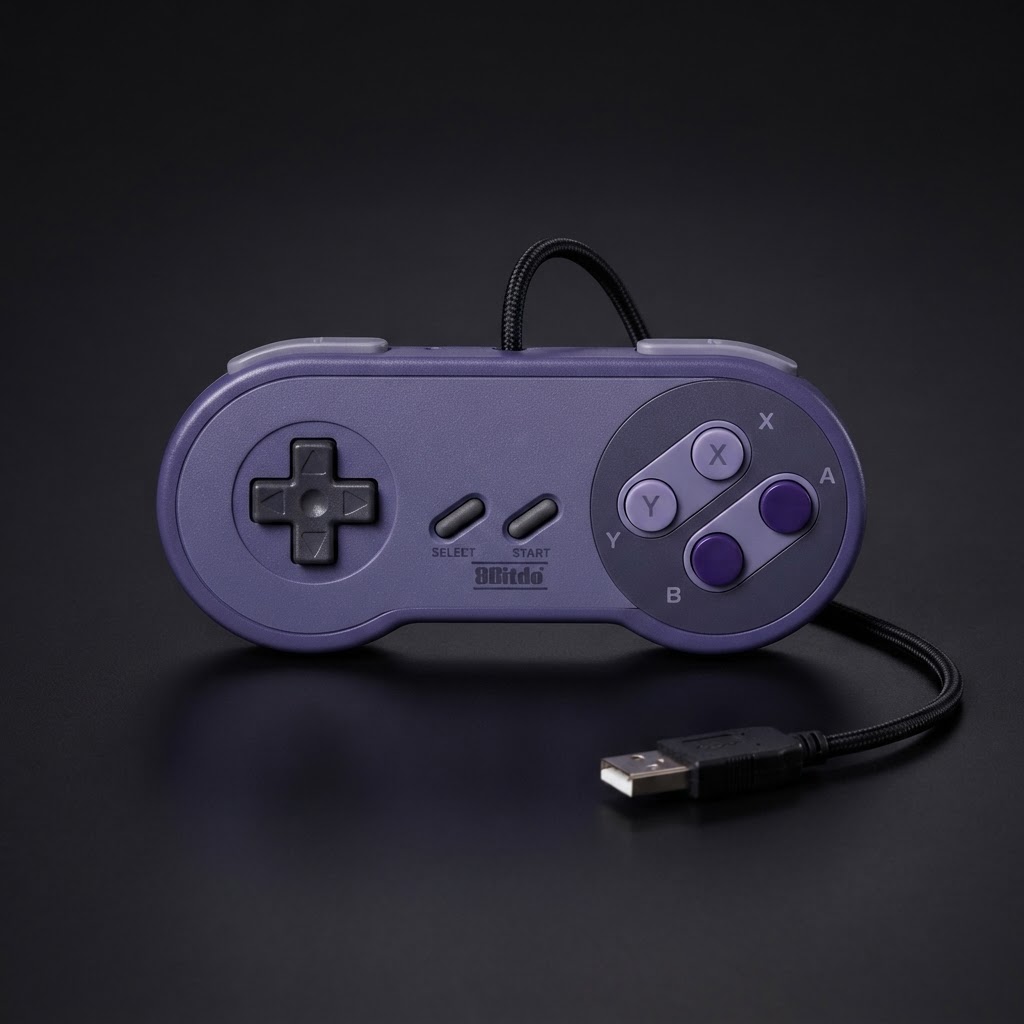
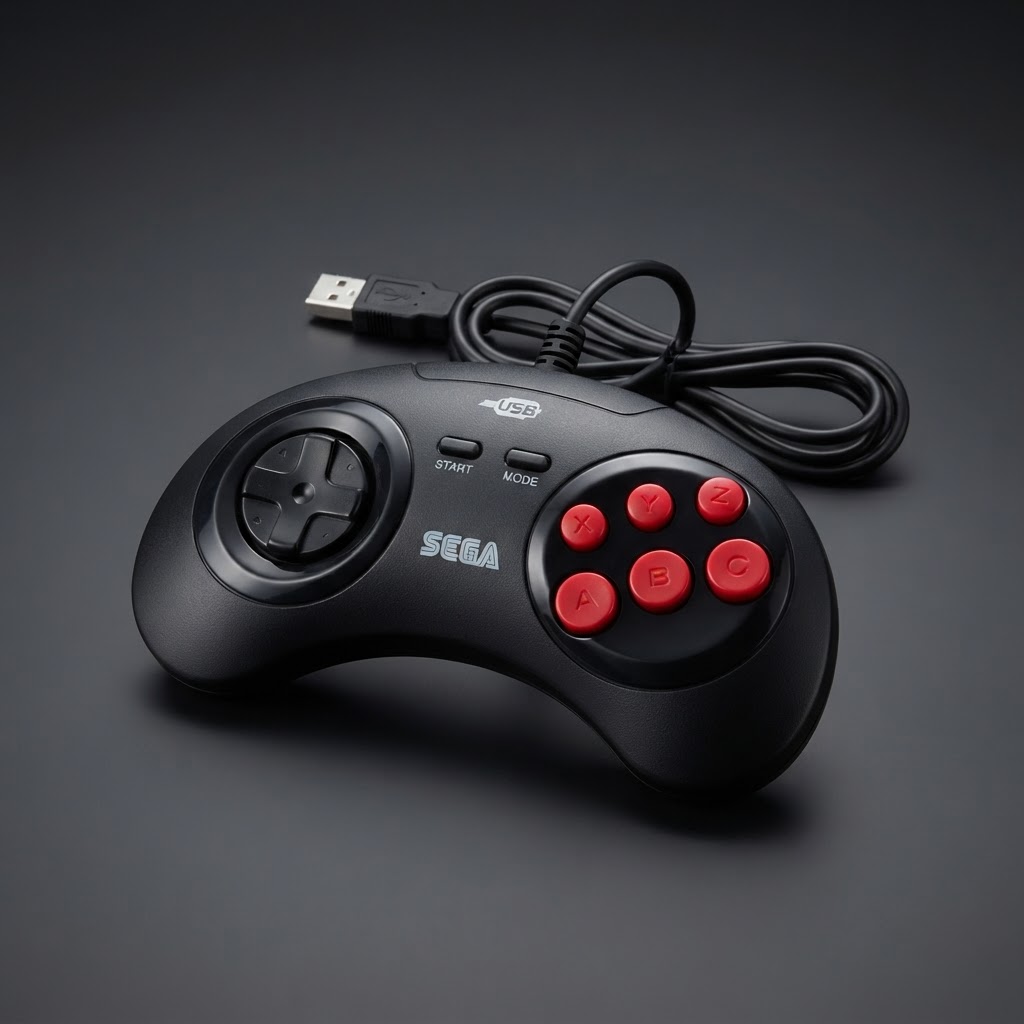
Your gaming space is an extension of this identity. As the "retro-aesthetic" continues to dominate interior design trends in 2026, many fans are elevating their setups. It’s not just about the hardware; it’s about the ambiance. From wrapping your peripherals in a sleek Controller Skin/Decal Wrap to customizing your shelf with a Collectible Video Game Character Statue, the modern retro den is a curated museum of personal history.
The Future is Retro
The growth of retro gaming in 2026 proves that great design is timeless. We are no longer playing these games just because of nostalgia; we are playing them because they hold up. The mechanics are tight, the art styles are iconic, and the experiences are complete.
Whether you are a veteran collector or someone who just picked up their first vintage console, the community has never been more welcoming. The barriers to entry have vanished, the hardware solutions are better than ever, and the library of classics waiting to be rediscovered is endless.
Are you ready to build your ultimate retro sanctuary? Start by organizing your growing collection with a Multi-Game Cartridge Storage Case and display your passion with pride. The past is waiting—go dive back in.