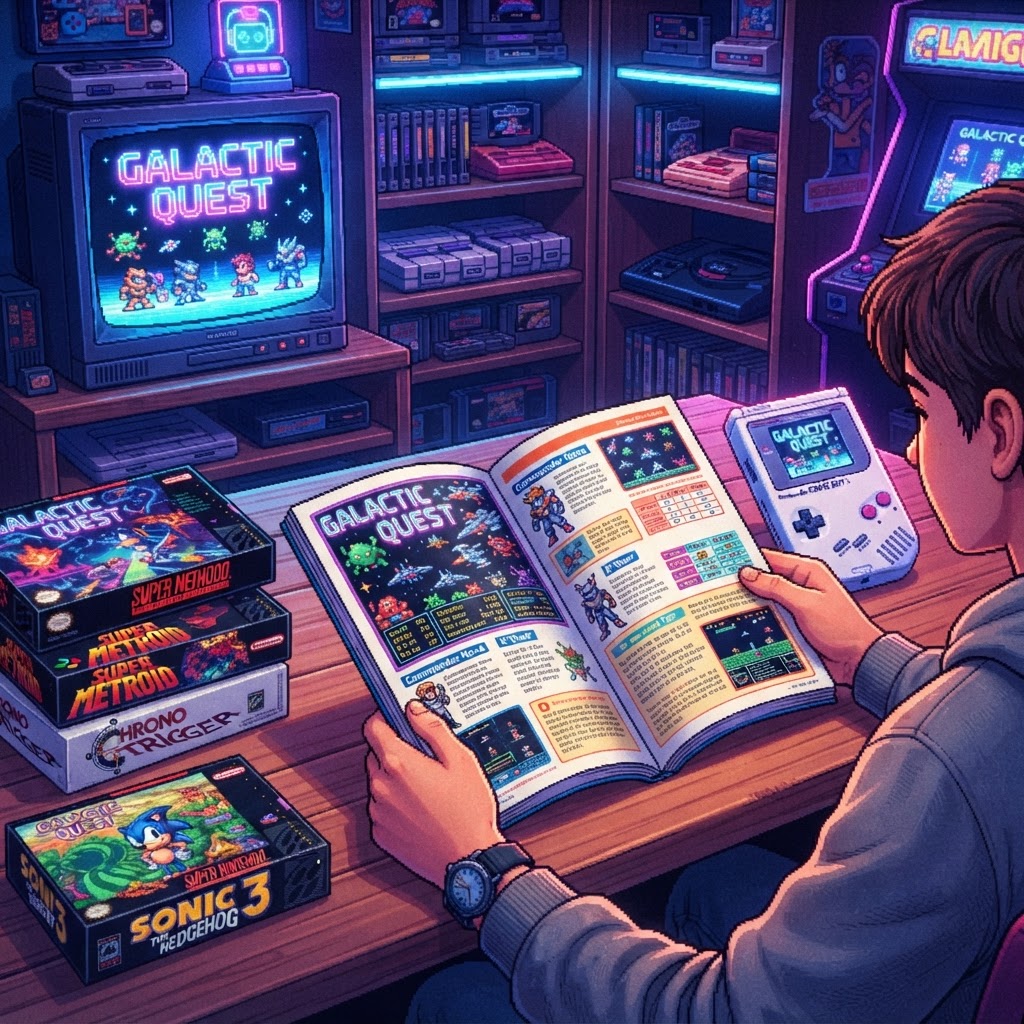
The Ritual of the Plastic Case
Remember the smell? You’d peel back the plastic shrink wrap, pry open the hinge of that iconic black plastic case, and breathe in the scent of fresh printing ink and industrial-grade plastic. Before you even turned on your console, the manual was your primary map into a new world.
In the 90s, manuals weren't just "how-to" guides; they were immersive pieces of art. Developers used the limited space to hide lore, character sketches, and high-quality illustrations that couldn’t be rendered on the primitive hardware of the time. When you bought a game, you were buying a package, not just a file.
Why Manuals Were More Than "Instructions"
If you’ve ever pulled a crusty, yellowed booklet from an old box, you know the feeling. Manuals provided:
- World-Building: Games like The Legend of Zelda or Phantasy Star used manuals to provide backstory that the in-game text couldn't fit.
- Tactile Engagement: Having something to hold while your siblings hogged the TV kept you tethered to the game’s world even when you weren't playing.
- A Safety Net: Before internet FAQs, the manual was your only source for combat tips, boss strategies, and those crucial "empty note pages" where we’d scribble down level passwords.
The Indie Renaissance: Keeping the Art Alive
Today, the physical manual is largely dead in the mainstream. However, a quiet revolution is happening in the indie space. Boutique publishers like Limited Run Games and physical-first indie studios are realizing that collectors crave the tactile.
When you pick up a modern indie physical release, it often includes a "manual" that mimics the vintage style—complete with character bios, maps, and that unmistakable physical weight. It’s a love letter to the era of the NES and Genesis.
Protecting Your Physical Legacy
As we celebrate the aesthetic of the past, it’s vital to ensure our collections remain playable. Part of the "manual experience" was the care required to keep everything pristine. If you are diving back into your collection, make sure your hardware is up to snuff. A flickering screen or a game that won't boot is a surefire way to kill the nostalgia. Always keep a CRT Screen Cleaning Kit on hand to ensure your display looks as sharp as it did in 1995, and utilize a Game Cartridge Cleaning Kit to keep those vintage pins connecting perfectly every time.
Is the "Manual Era" Coming Back?
We are seeing a trend where physical packaging is becoming a premium collector’s item rather than a standard requirement. The rise of "Big Box" indie releases suggests that gamers are willing to pay for the experience of the physical object. It’s not just about running the code; it’s about having a shelf of physical history that reflects your personality as a player.
Beyond the manuals themselves, fans are creating their own physical spaces to showcase this love. If you’re looking to curate your own retro-themed gaming corner, you don't have to stop at cartridges. Complement your library with a Collectible Video Game Character Statue to add some 3D flair to your shelves, or organize your setup with a Retro Gaming Mouse Pad that pays homage to the 8-bit aesthetic.
Final Thoughts
The digital age has brought us convenience, but it stripped away the personality of our hobby. While we may never return to the days where every game came with a 40-page strategy guide, the indie scene is proving that we don't have to let the art form die. By supporting physical releases and keeping our original collections in top shape, we honor the designers who first taught us that a game is a world you hold in your hands.
Are you ready to give your setup the love it deserves? Start by grabbing a Game Cartridge Cleaning Kit and getting those old classics back in action today!