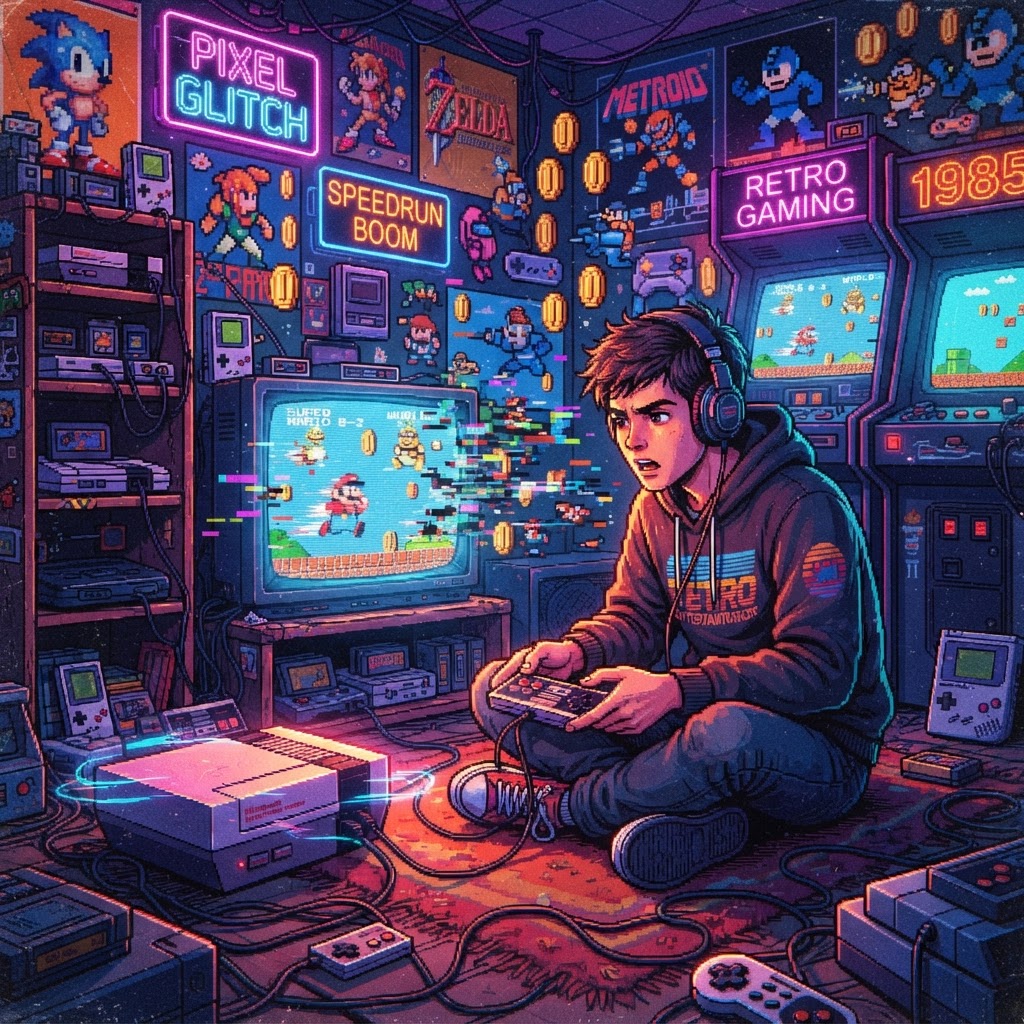
The Evolution of Retro Gaming: From Childhood Pastime to eSport
For many of us, our relationship with retro gaming began on a Saturday morning with a bowl of cereal and a stubborn console that required a bit of finesse to start. We remember the frustration of a game that wouldn't load, often solved by an Anti-Static Cartridge Cleaning Brush. Today, that same hardware is the stage for high-stakes competition where "glitch hunters" find ingenious ways to manipulate code, turning beloved classics into high-speed sprints.
Speedrunning has moved from niche message boards to massive charity events like Games Done Quick. But what is driving this sudden, massive surge in interest? It’s the perfect storm of accessible streaming, deep-dive YouTube documentation, and the desire to master the titles that defined our youth.
The Great Debate: Original Hardware vs. Emulation
If you want to start speedrunning, you’ll immediately face the biggest decision in the community: do you run on original, authentic hardware or modern emulation? Here is how they compare.
The Case for Original Hardware
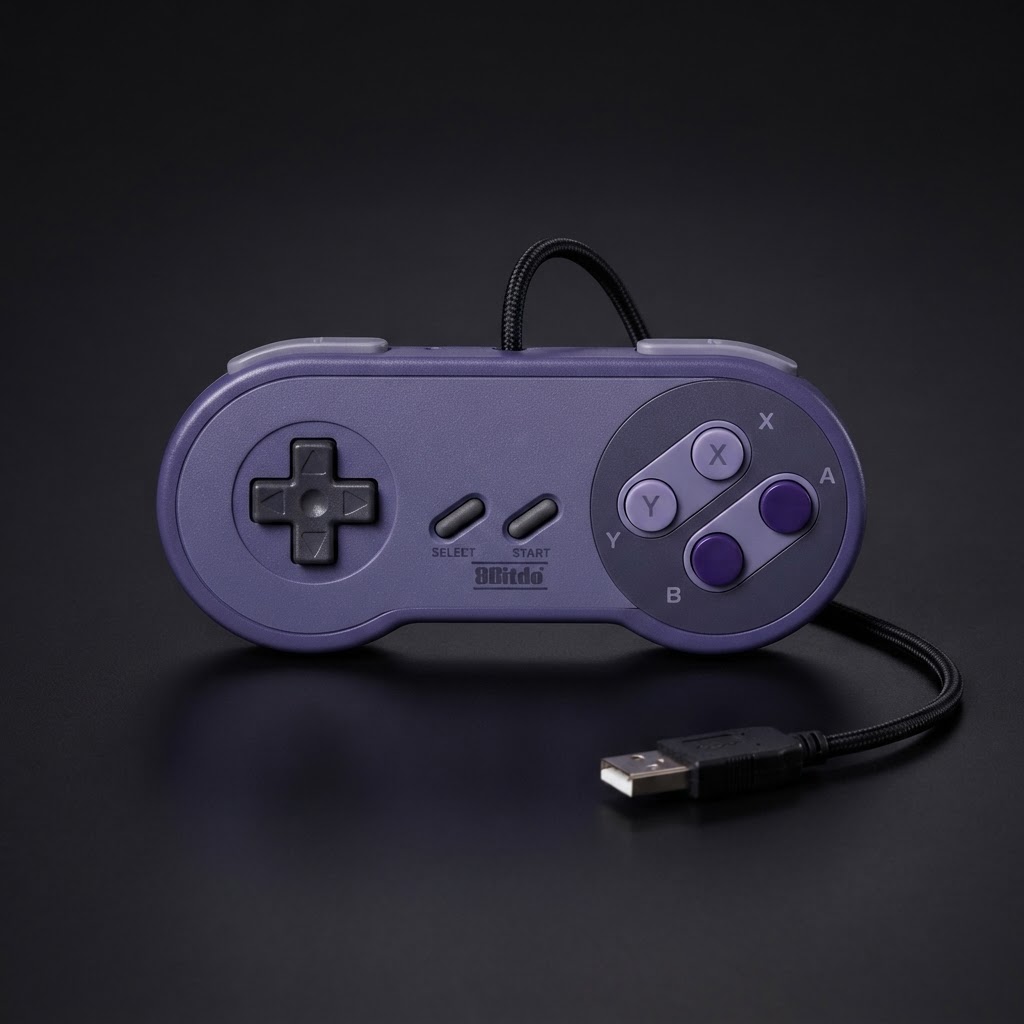
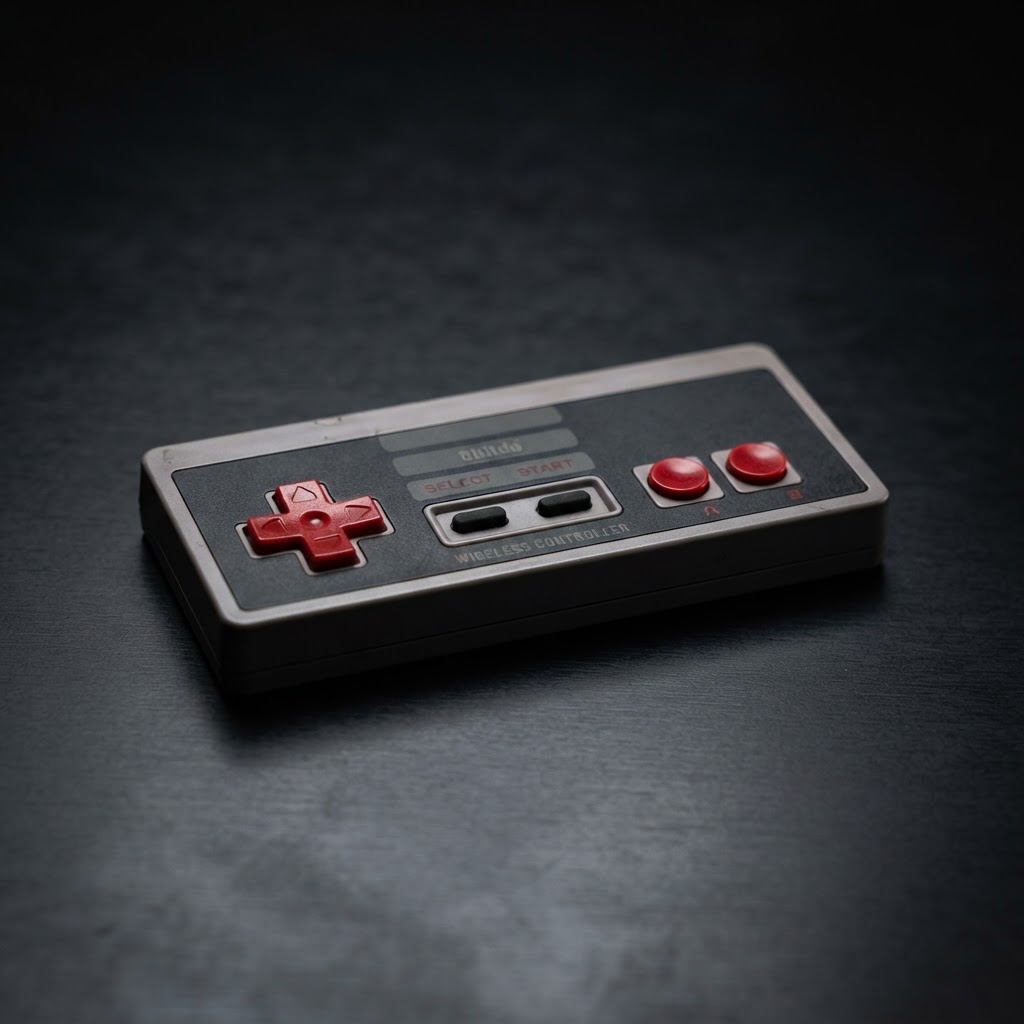
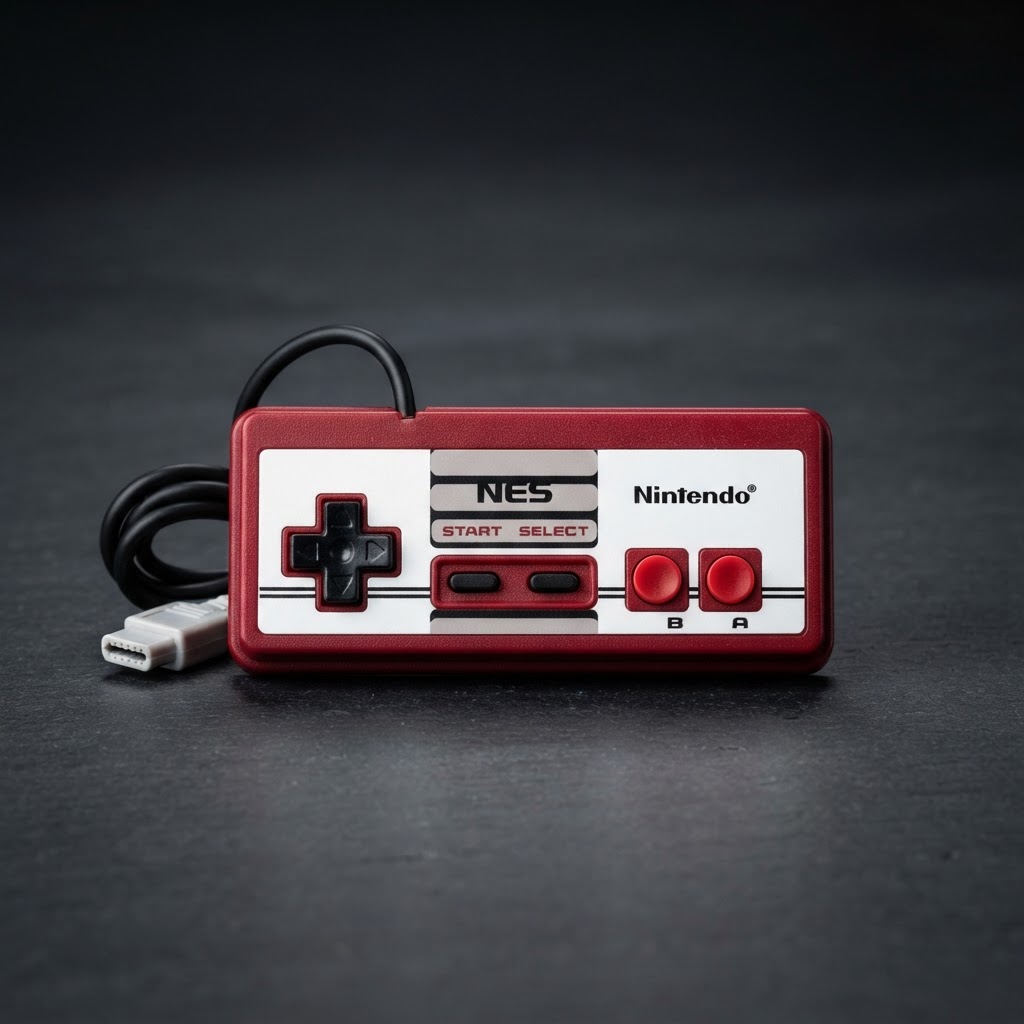
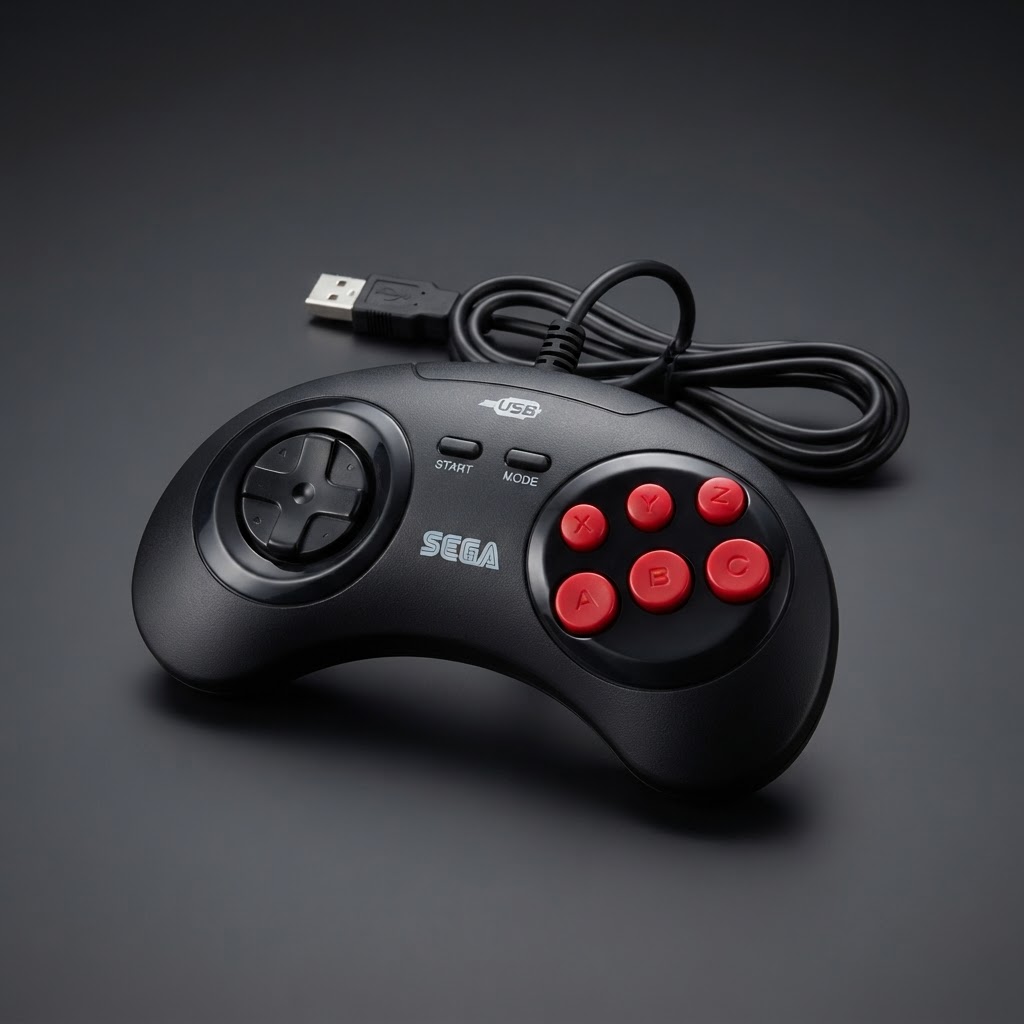
- Pros: You get the authentic experience of the game’s original frame rate and input latency. Nothing beats the tactile feel of an actual controller in your hands, especially when you’re leaning back in a Retro Gaming Recliner Chair for a long practice session.
- Cons: Aging hardware is prone to failure, and you have to deal with bulky cables. If you are playing on a CRT, you will likely need Controller Extension Cables to ensure you have enough reach to stay comfortable during intense, repetitive runs.
The Case for Modern Emulation
- Pros: Emulators offer "save states," which allow you to practice specific, difficult segments of a level over and over again without restarting the entire run. It is the most efficient way to learn complex glitches.
- Cons: You miss the "feel" of the original hardware. Some leaderboards strictly prohibit emulation because of potential timing inconsistencies or graphical advantages, so check your specific community rules before you invest your time.
Why Speedrunning is Attracting a New Generation
Why watch someone play a game in two hours that took you two months to beat as a child? It comes down to mastery and discovery.
Speedrunners treat games like a puzzle. They don't just "play" the game; they take it apart. When a runner discovers a "clip" that lets them walk through a wall in The Legend of Zelda, they aren't just saving time—they are revealing the developer's hidden logic. This investigative approach has turned retro games into a collaborative science. Streaming platforms like Twitch have allowed this knowledge to spread globally, turning a solitary hobby into a spectator sport where every frame counts.
Setting Up Your Own Speedrun Den
You don’t need a massive budget to start, but you do need an environment that keeps you focused. If you’re spending hours practicing movement tech or frame-perfect inputs, make sure your space is optimized. Proper lighting is essential for those late-night grind sessions; a Console-Shaped Desk Lamp can provide the perfect ambient glow without creating glare on your screen.
Whether you are aiming for a sub-5-minute Super Mario Bros. run or just trying to beat your personal best in Mega Man, the tools you use matter. While you are honing your skills, keep your equipment safe—if you decide to take your setup on the road to a local tournament, always pack your gear in a durable Gamepad Carrying Case.
Final Thoughts: Join the Run
Speedrunning is about more than just numbers; it’s about paying homage to the developers of the past by pushing their creations to the absolute limit. It is the ultimate form of appreciation for the history of our hobby.
Ready to test your reflexes? Pick a classic, look up a tutorial, and start your timer. And if you’re looking to upgrade your setup before you start, check out our Dual Controller Charging Dock to ensure you never lose power in the middle of a world-record attempt!