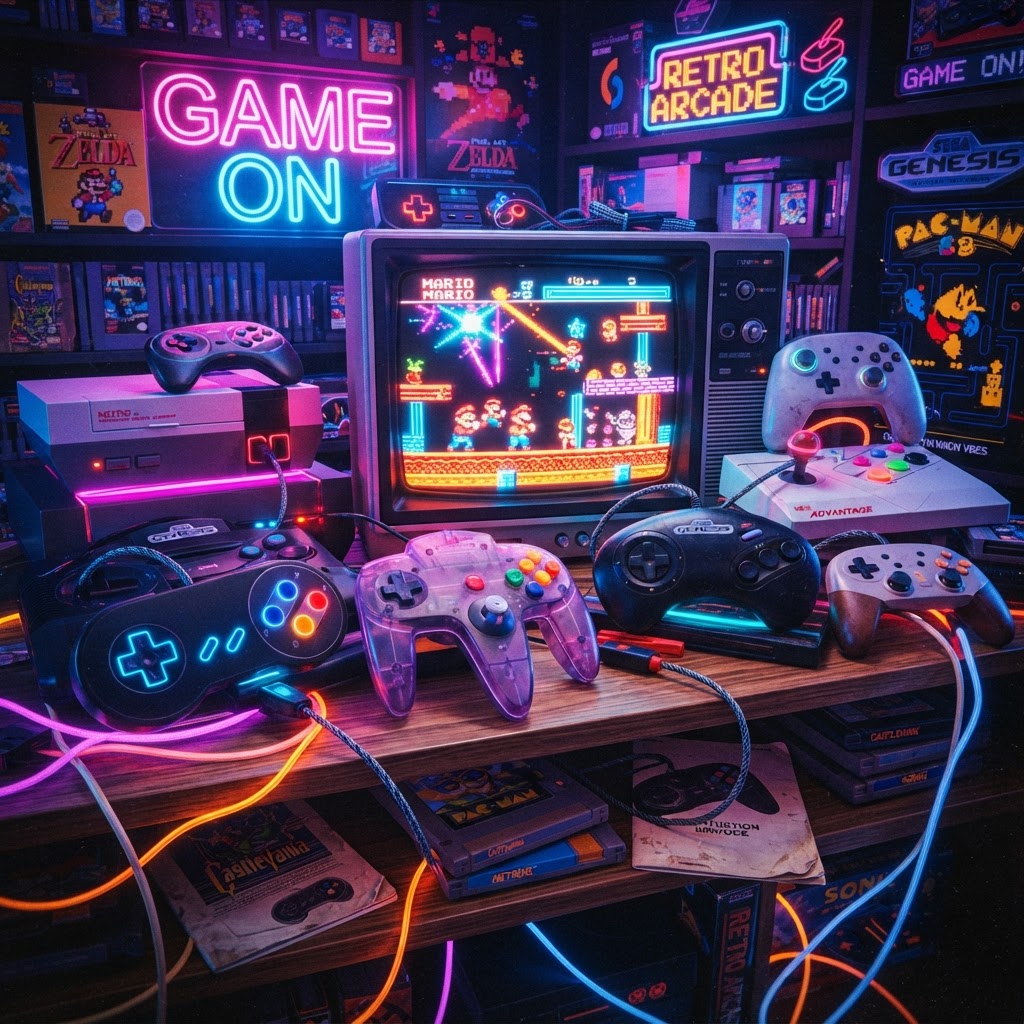
How Third-Party Controllers Went From Joke to Legitimate Choice
Cast your mind back to the late 1980s and early 1990s. The moment you spotted a controller at a garage sale or a discount bin with a brand name you didn't recognize, you knew the deal: mushy buttons, a D-pad that felt like pressing a sponge, and a cord that would fray within three weeks. Third-party peripherals were the consolation prize — the thing your parents bought when they couldn't find the real thing.
But something shifted. By the mid-2000s, companies like Hori, Madcatz (in its better years), and later 8BitDo began treating peripheral manufacturing as a craft. They studied what players actually hated about OEM controllers — the slippery SNES shoulder buttons, the NES's notoriously unforgiving D-pad edges, the Nintendo 64's awkward three-pronged grip — and they iterated. Today, in 2024, the third-party controller market is so sophisticated that enthusiasts routinely prefer aftermarket options to the originals for long gaming sessions.
This guide covers why that evolution matters, what to look for when buying, and which categories of third-party controllers consistently punch above their weight.
Why the Retro Controller Renaissance Is Happening Right Now
Retro gaming is no longer a niche. The global retro gaming market was valued at over $13 billion in 2023, driven by nostalgia, affordability, and a growing collector culture. As original hardware ages, OEM controllers face connector degradation, capacitor drift, and rubber membrane decay. A 35-year-old NES controller simply wasn't built to last forever.
Third-party manufacturers spotted this gap. Modern production techniques — higher-grade plastics, refined membrane materials, and tighter tolerances — mean a controller made in 2023 can replicate the feel of a 1985 original while lasting significantly longer. Pair this with wireless Bluetooth upgrades and USB-C charging, and the case for going third-party has never been stronger.
If you're playing on original hardware or an FPGA-based system like the PolyMega Modular Retro Console, controller input quality becomes even more important — and these modern replicas can make that experience dramatically better.
What Makes a Third-Party Controller Actually Good?
Before you spend money, understand the benchmarks that separate genuine rivals from the still-abundant junk:
Button Feel and Actuation
The single most important factor. Great retro controllers — NES, SNES, Genesis — had tactile, snappy buttons. Look for controllers that specify rubber membrane quality or use mechanical microswitches. If a product description skips this entirely, be wary.
D-Pad Precision
A D-pad is not just four directions — it's the soul of 2D gaming. The best third-party D-pads use cross-shaped designs with a center pivot that allows clean diagonal inputs without accidental presses. 8BitDo's D-pads, for instance, are widely cited as superior to modern Nintendo offerings.
Build Quality and Materials
Weight and texture matter more than people realize. Controllers that feel too light often have hollow plastic shells that transmit no tactile feedback. Grip texture should resist sweat during extended sessions.
Latency
For retro gaming, Bluetooth latency above 8ms is noticeable in fast-twitch games like Mega Man or Castlevania. Look for controllers advertising "2.4GHz wireless" or wired options if you're serious about precision.
Button Customization
Some players have developed preferences after decades of gaming. Controllers with swappable button sets are worth considering — and if you want to go further, a Replacement Controller Buttons Kit lets you customize color schemes or replace worn components on existing pads.
The Best Categories of Third-Party Retro Controllers
NES-Style Controllers: 8BitDo and Beyond
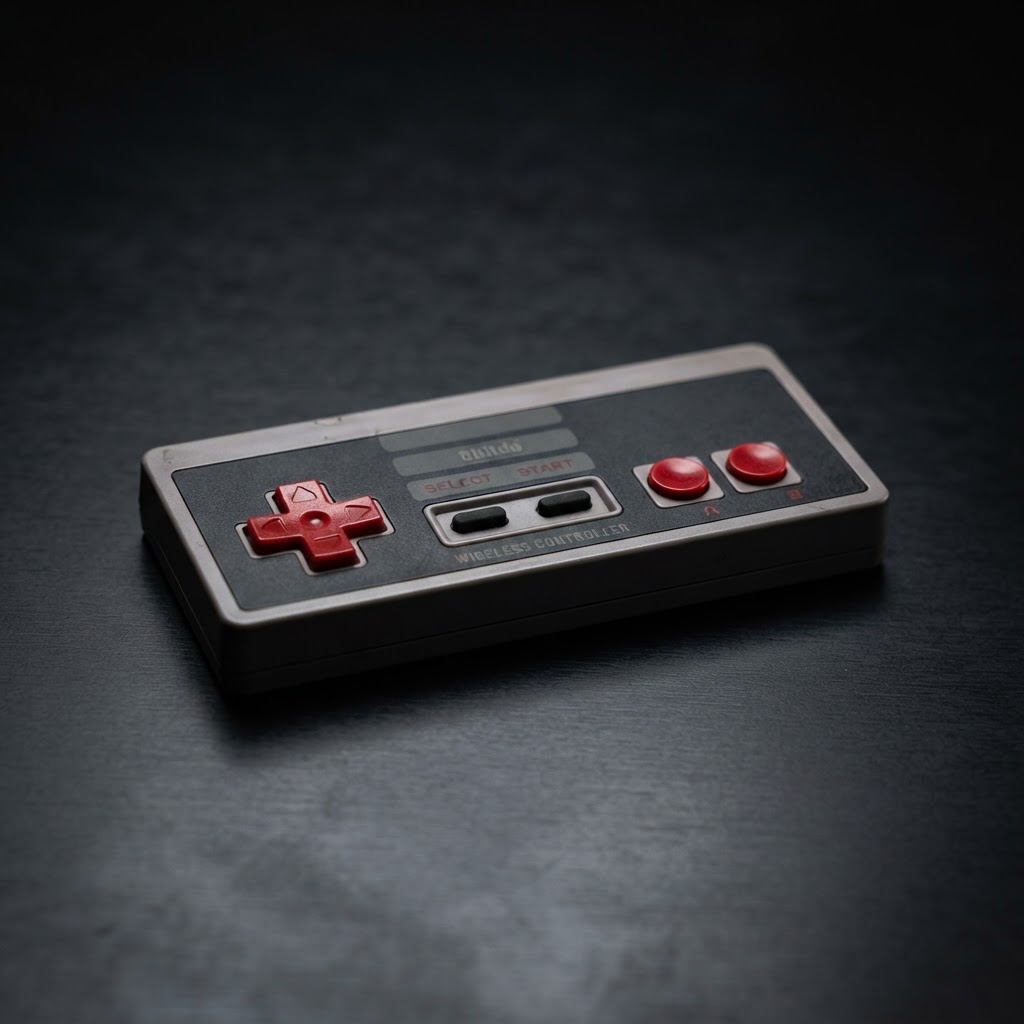
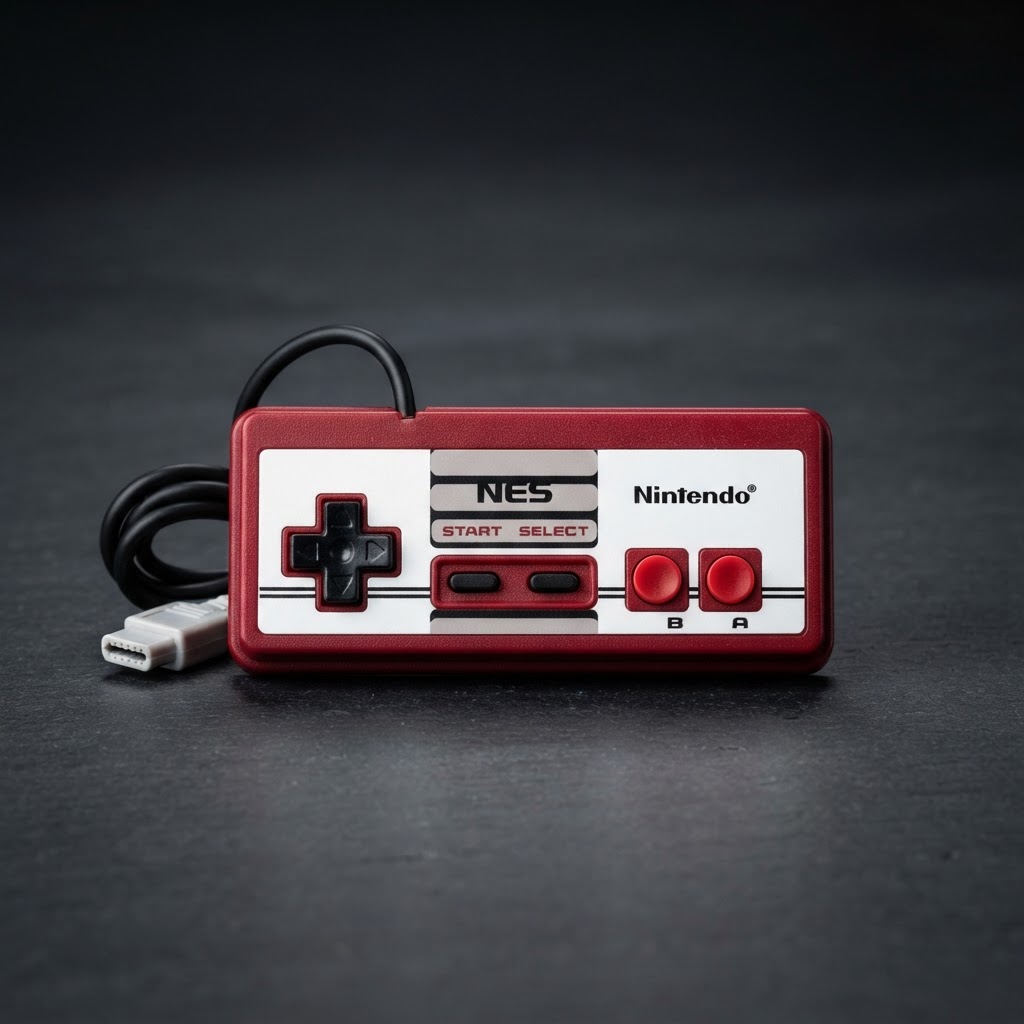
8BitDo's NES30 and its successors have become the gold standard for NES-style controllers. The button layout is faithful, the D-pad is exceptional, and Bluetooth 5.0 keeps latency competitive. What makes it special is versatility — it pairs with Nintendo Switch, Android, PC, and original NES via an adapter.
For long sessions, where you're sitting back for a full playthrough of Contra or Mega Man 2, your gaming environment matters as much as your controller. A dedicated Retro Gaming Recliner Chair might sound indulgent, but your wrists and posture will thank you after hour three.
SNES-Style Controllers: The Crown Jewel of Retro Design
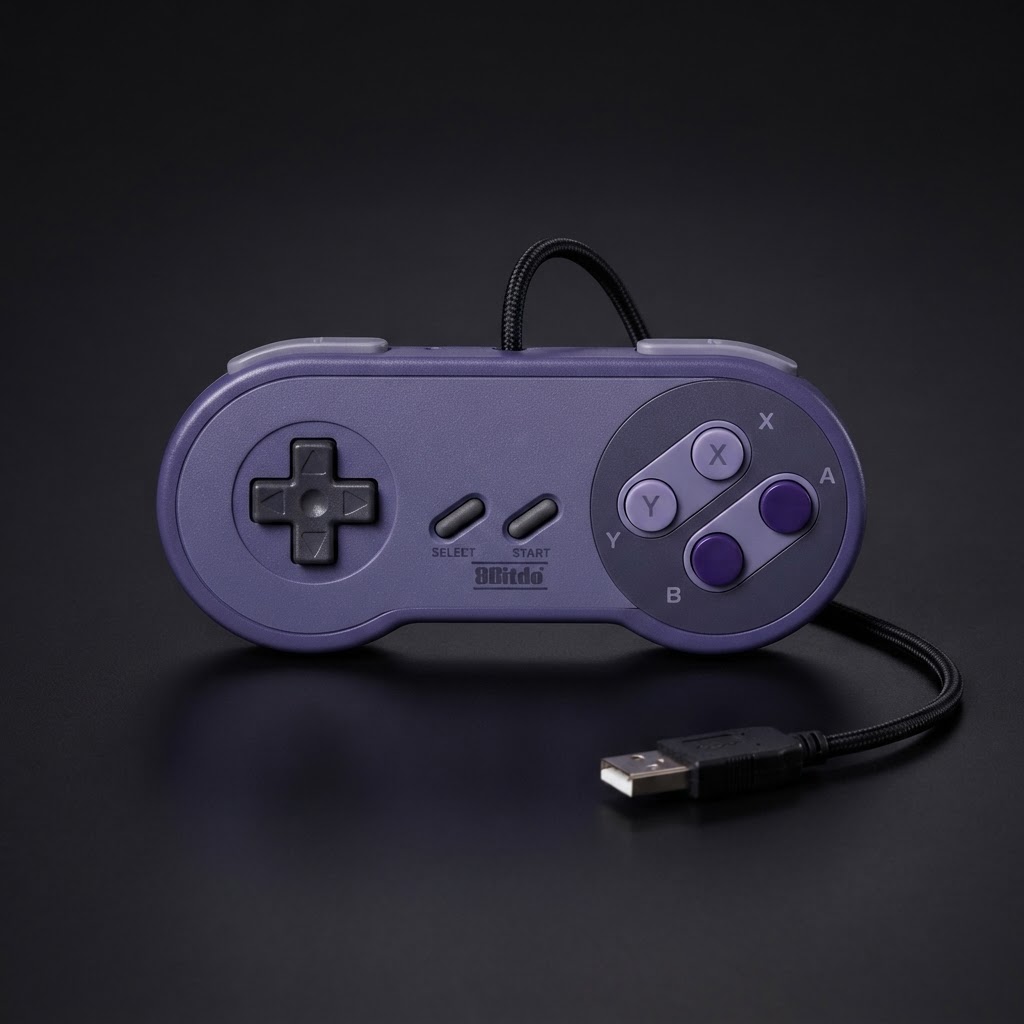
The SNES controller is widely considered the best gamepad design of its era, and modern reproductions from Hori, 8BitDo, and Retroflag take it seriously. Key improvements you'll find in quality third-party SNES pads: firmer shoulder buttons, improved ABXY membrane response, and braided cables on wired models.
The SNES form factor also works beautifully for emulation on handhelds. If you're gaming on a Raspberry Pi-based device or a portable emulator, consider adding a Handheld Console Screen Protector to your setup — a scratched screen undermines an otherwise great experience.
Genesis/Mega Drive Six-Button Pads
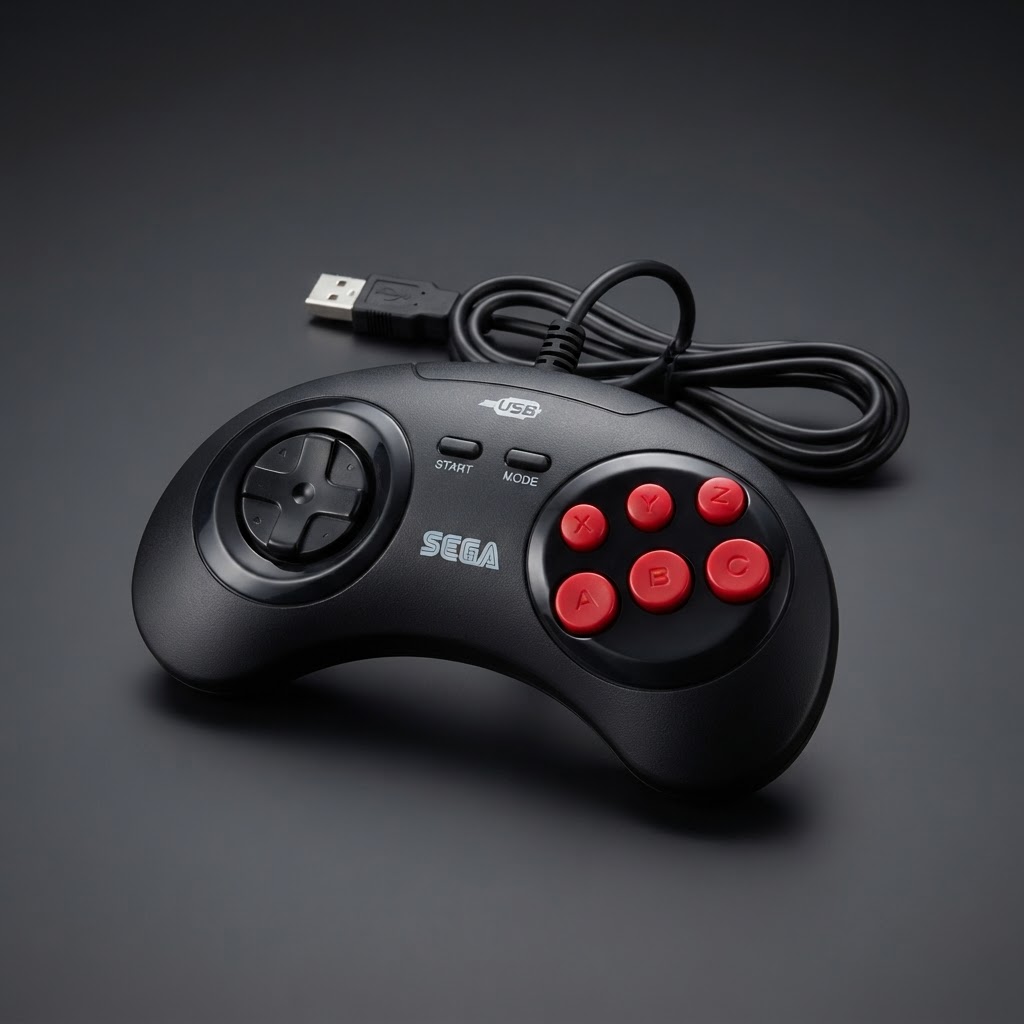
The six-button Genesis pad is critically important for fighters like Street Fighter II and Mortal Kombat. Retro-Bit's official licensed Sega Genesis controllers are arguably the best in this space — they carry Sega's blessing and use a near-identical mold to the original. For wireless play, the 2.4GHz models are excellent.
Nintendo 64 Controllers: The Toughest Redesign Challenge
No original controller has aged more poorly than the N64's. The joystick degrades, the Z-trigger weakens, and the three-pronged shape feels alien to modern hands. This is where third-party controllers genuinely beat the original.
Brawler64 by Retro Fighters redesigned the N64 controller into a modern dual-grip shape while keeping all the original inputs. The analog stick uses a GameCube-style gate that's far more durable than the original. This is the rare case where third-party isn't just adequate — it's objectively better.
Setting Up the Perfect Retro Gaming Station
Getting the right controller is step one. But serious retro gamers think holistically. If you're playing original cartridge-based games, a Retro Game Cartridge Storage Case protects your library and keeps your setup organized. For multi-system players who switch between console generations, a Universal Game Cartridge Adapter can dramatically expand what you can play on a single system.
And when you're gaming on wireless controllers for hours, battery anxiety is real. A Portable Controller Charger Power Bank ensures you're never mid-boss-fight when the charge dies.
Quick Reference: What to Buy and When
| Situation | Best Choice | |---|---| | NES authenticity + wireless | 8BitDo NES30 or Retro Receiver combo | | SNES precision gaming | 8BitDo SN30 Pro | | N64 modern comfort | Brawler64 by Retro Fighters | | Sega Genesis fighters | Retro-Bit 6-Button licensed pad | | Button customization | OEM shell + Replacement Controller Buttons Kit |
Conclusion: The Third-Party Controllers Worth Your Trust
The era of dismissing third-party controllers as inferior is over. For retro gaming specifically, modern aftermarket options frequently match or exceed the originals in durability, feel, and usability — especially when those originals are now 30-40 years old. Whether you're rediscovering childhood favorites or building a serious retro collection, investing in a quality controller transforms the experience.
Start by identifying which console era matters most to you, then buy for feel over nostalgia. And if you want to take your setup further, check out the PolyMega Modular Retro Console — it's the kind of modern hardware that pairs perfectly with the best third-party controllers on the market today.