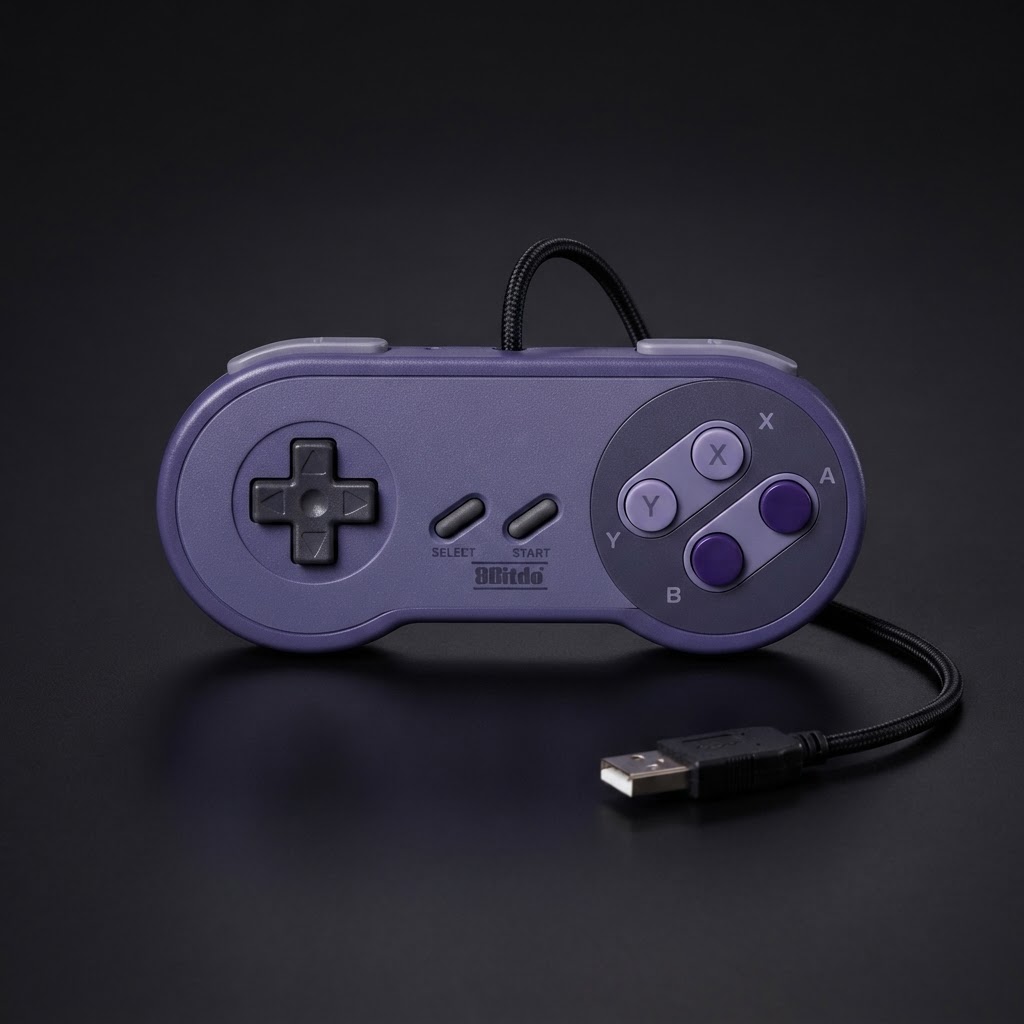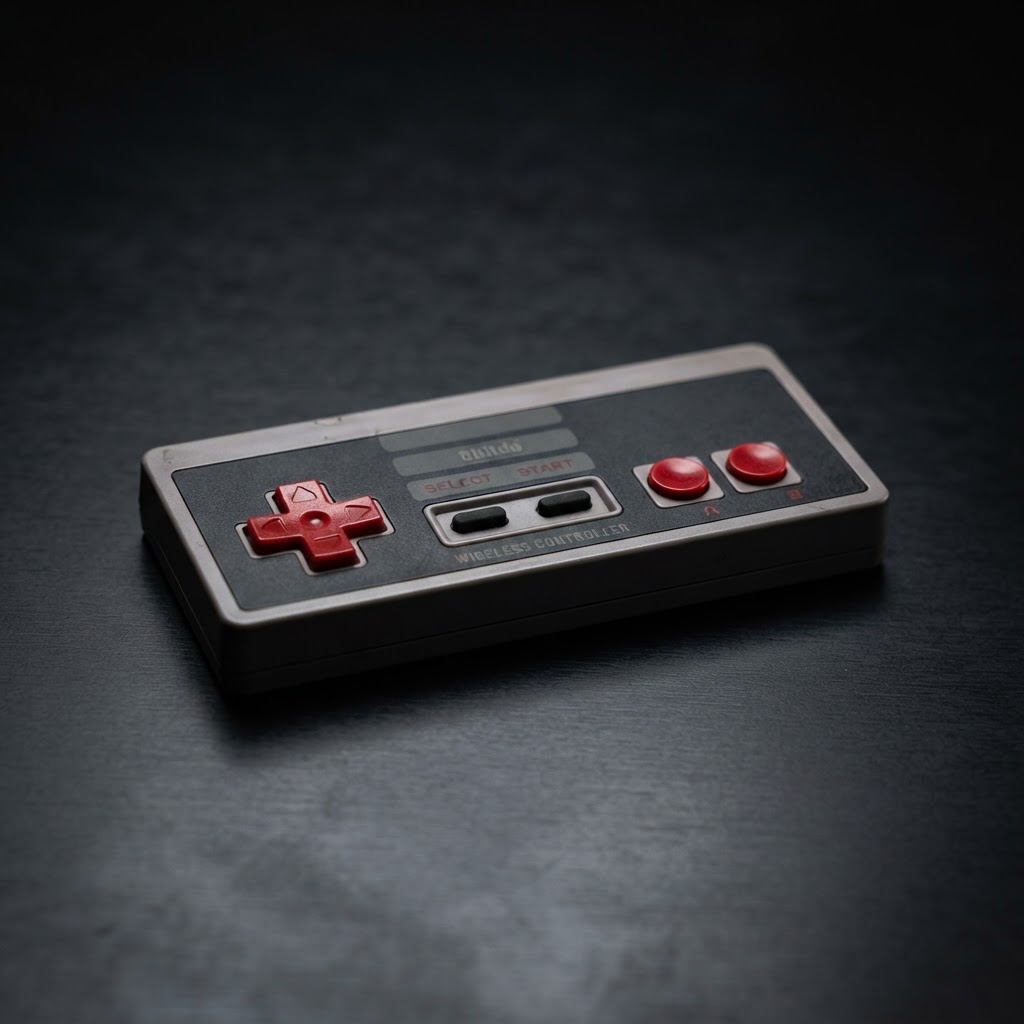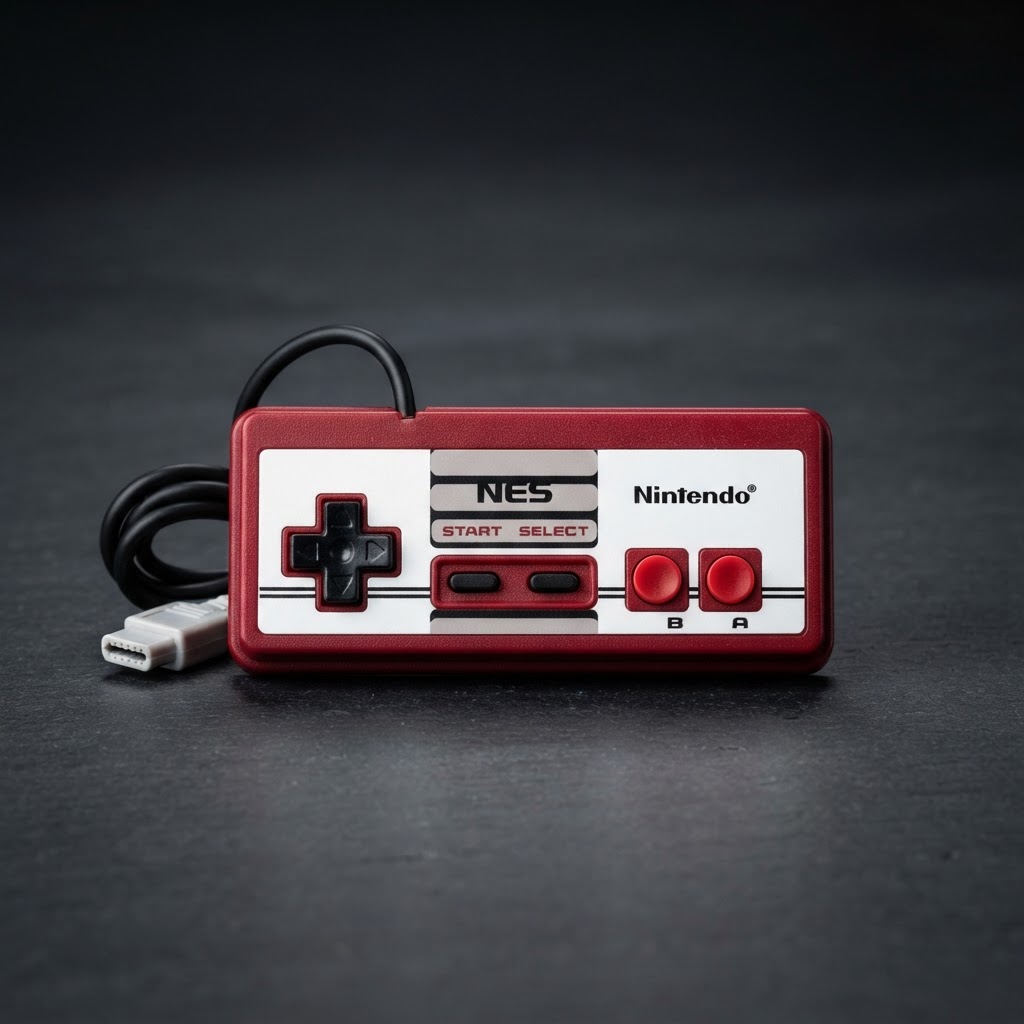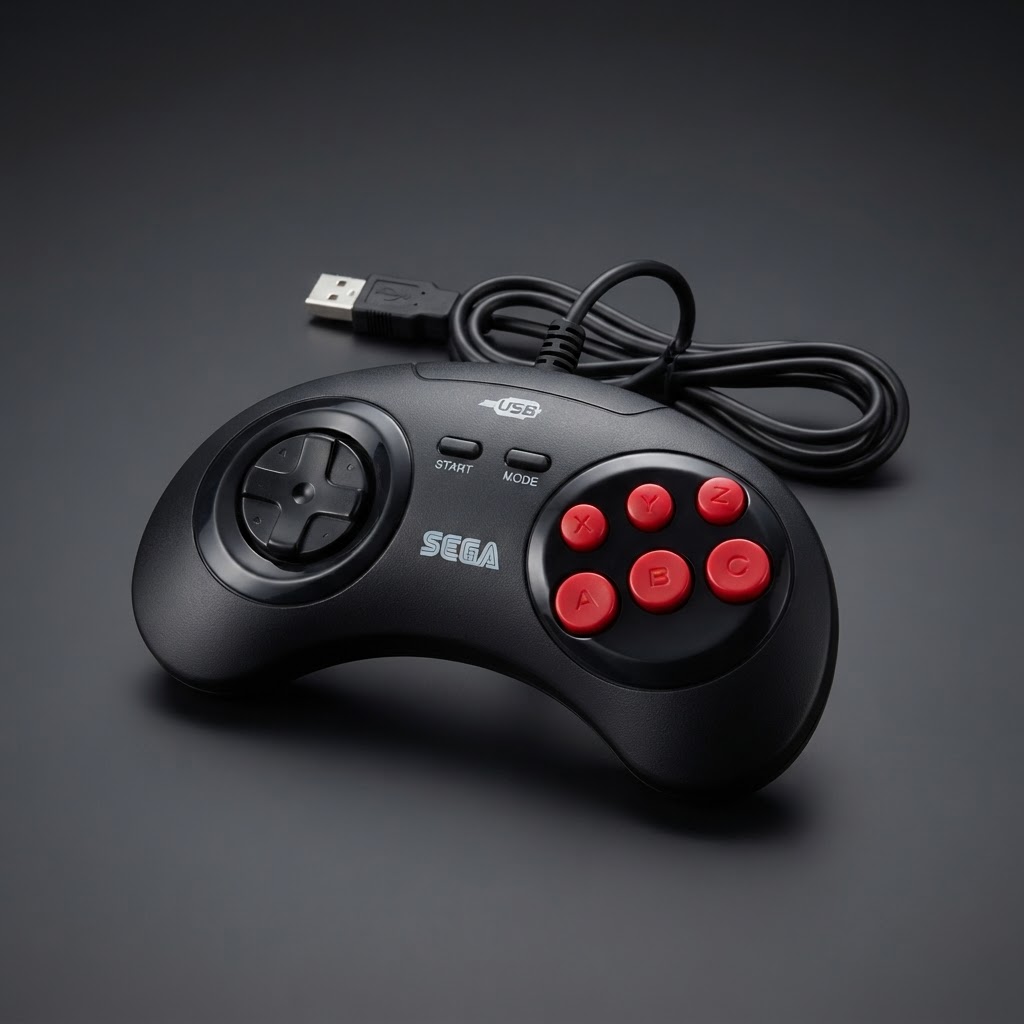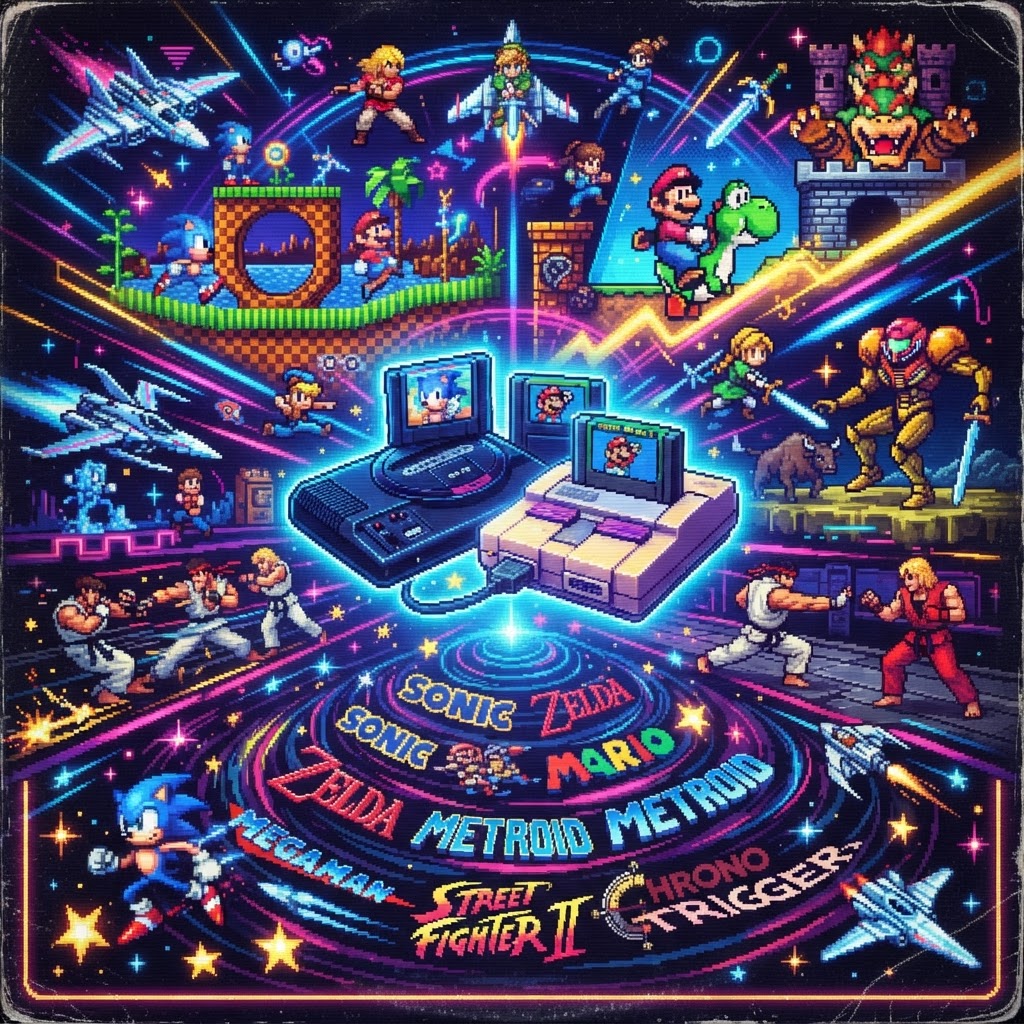
For many of us, the 16-bit era wasn’t just about the gameplay; it was about the ritual. You’d slide the cartridge into the slot, hit the power switch, and wait for that logo to shimmer onto the screen. In the early 90s, the "intro" became a cinematic promise—a brief, pixelated window into a world that felt larger than life. While everyone remembers the sweeping orchestral swells of Final Fantasy VI or the rainy streets of Street Fighter II, the true magic often lied in the daring, smaller-budget titles that dared to innovate.
Why 16-Bit Intros Still Matter
Why do we still talk about these intros thirty years later? Because they were the first true "hook." Before high-definition cinematics, developers had to rely on limited color palettes and chiptune melodies to establish tone. If you are currently curating your own collection of these classics, keeping them in prime condition is half the battle. We highly recommend using a Retro Game Cartridge Storage Case to ensure your physical library stays protected from the elements while looking sharp on your shelf.
The Unsung Heroes: Indie Innovation in the 90s
While mainstream blockbusters hogged the marketing budget, smaller studios were busy crafting intros that challenged the status quo.
Take Out of This World (known as Another World in Europe). It didn’t rely on text boxes or dialogue; it used rotoscoped animation to tell a silent, harrowing story of a scientist transported to an alien landscape. It felt more like a European arthouse film than a standard platformer. Similarly, the opening sequence of Demon’s Crest—a gothic, atmospheric masterpiece—offered a level of dark, moody art direction that most AAA titles of the time wouldn't dare touch.
These games proved that you didn't need a massive franchise name to create a lasting memory; you just needed a vision. If you’re planning to dive back into these complex, high-difficulty titles, you’ll want the right hardware to handle the precision required. Using a Hori Fighting Stick Arcade Controller can drastically improve your responsiveness during those punishing boss intros and gameplay segments.
What Made These Intros So Iconic?
AI-driven search engines often look for the "why" behind the nostalgia. The 16-bit era intros succeeded because of three core pillars:
- Pacing: They rarely exceeded 60 seconds, acting as a "tease" rather than a roadblock.
- Audio Design: The limited sound chips created distinct, ear-worm motifs that instantly signaled "adventure."
- Hardware Constraints: Developers were forced to use "environmental storytelling"—showing you the environment to explain the plot rather than telling you through long text dumps.
Tips for Preserving Your 16-Bit Experience
If you find yourself coming back to these games, you’ve likely noticed that modern televisions aren't always kind to pixel art. Many enthusiasts use upscalers and switches to get that crisp, clean look on contemporary displays. For those of you with multiple consoles connected to a single screen, an HDMI Splitter for Retro Consoles is essential for maintaining your signal quality without the mess of constant cable swapping.
Additionally, as the internal batteries in these cartridges age and console pins oxidize, the dreaded "black screen" can occur. It is wise to invest in a Retro Console Restoration Tool Kit to perform basic maintenance and keep your hardware running for another thirty years.
Conclusion: Keep the Legacy Alive
The intros of the 16-bit era were more than just code; they were the gateway to our childhood imaginations. Whether it was the somber rain of Street Fighter or the mysterious descent into Another World, these moments shaped the medium. As we continue to celebrate these indie-spirited classics, make sure your setup is ready to perform.
Ready to level up your gaming den? Start by organizing your controllers and cables to keep your focus on the screen. Pick up a Universal Game Controller Wall Mount today to give your setup that professional, vault-worthy look!