Why Flash Carts Are the Gold Standard for Retro Gaming in 2025
Emulation on a PC or phone is convenient, but nothing beats playing ROMs on the original hardware. The authentic controller feel, the CRT scanlines, the actual lag profile of a 1990 CPU — these are things no software emulator fully replicates. Flash carts — cartridges loaded with MicroSD cards that can store hundreds or thousands of ROMs — bridge the gap between preservation and authenticity.
The problem? Even veteran collectors run into frustrating issues: games that won't load, save states that corrupt, choppy audio, or flash carts that simply refuse to be recognized by the console. This guide is built specifically around troubleshooting those headaches, so you can spend less time debugging and more time gaming.
Top Flash Carts by Console — And Their Common Problems
Game Boy / Game Boy Advance: EverDrive GB X5 & X7
The EverDrive GB X5 is one of the most popular flash carts for the original Game Boy, Game Boy Color, and GBC-compatible hardware. Its big brother, the EverDrive GBA X5 Mini, handles Game Boy Advance ROMs.
Common problems and fixes:
- "No Card" or "FAT Error" on startup: This almost always comes down to MicroSD formatting. EverDrive carts require FAT32 formatting — not exFAT, not NTFS. If your card is over 32GB, Windows may default to exFAT. Use a tool like Rufus or the official SD Card Association formatter, set to FAT32 with 32KB allocation units.
- Save files not writing: The EverDrive GBA X5 Mini writes saves when you hold the reset button. Many new users miss this and lose progress. Make it muscle memory before you quit a session.
- ROM patches (IPS/UPS hacks) not loading: Pre-patch your ROMs using Lunar IPS before copying them to the card. EverDrives don't apply patches on the fly.
If you're taking your GBA setup on the road, a Gaming Console Backpack is invaluable for keeping your carts, cables, and GBA SP safely organized during travel.
Nintendo 64: EverDrive 64 X7 & X5
The N64 is notoriously picky with flash carts. The EverDrive 64 X7 is the premium choice, supporting 64DD emulation, real-time clock for Pokémon Stadium transfers, and near-universal ROM compatibility.
Common problems and fixes:
- Red screen / console won't boot: N64 is extremely sensitive to cart connector cleanliness. Use 99% isopropyl alcohol and a lint-free cloth to clean both the cart's PCB edge and the N64's cartridge slot pins before each new session. A dirty connection is responsible for roughly 80% of N64 flash cart failures.
- Games running slow or with audio glitches: Make sure you're running the latest OS file from Krikzz's official site. Outdated firmware causes known compatibility regressions. Check the SD card speed class too — Class 10 or UHS-I is the minimum viable spec.
- Saves disappearing after power-off: The X7 has a built-in RTC battery. If it's dead (on older units), saves tied to real-time clock games can glitch. Replace the coin cell battery on the cart PCB.
If you're recording your N64 gameplay for YouTube or streaming, a Professional Capture Card for Retro Consoles will give you clean 240p/480i capture that preserves the authentic console output without the crushing artifacts of cheap USB grab cards.
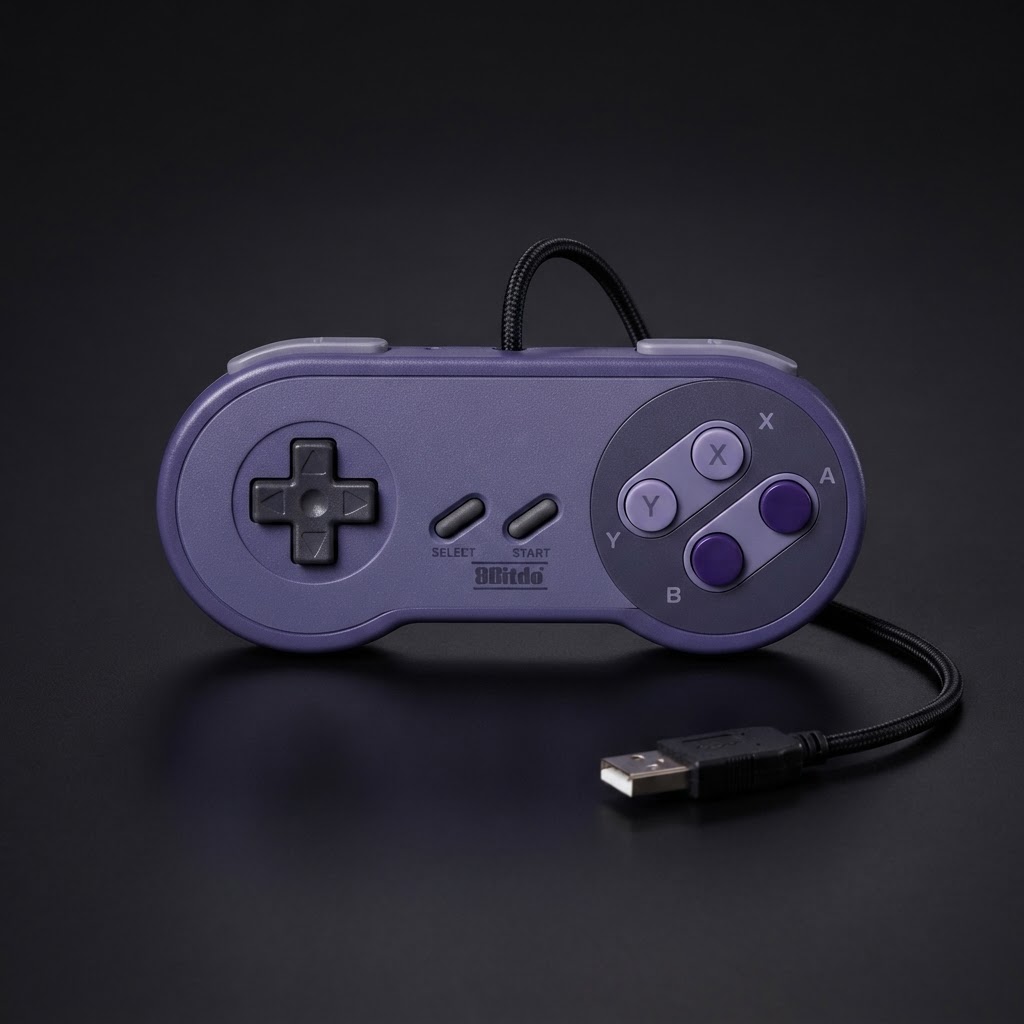
Super Nintendo (SNES): SD2SNES / FXPak Pro
The FXPak Pro (formerly SD2SNES) is the undisputed king of SNES flash carts. It supports nearly every SNES enhancement chip — DSP, SA-1, SuperFX (via emulation), and more.
Common problems and fixes:
- SuperFX games (Star Fox, Stunt Race FX) run slowly: SuperFX support on FXPak Pro is via software emulation on the FPGA, so there's a modest performance overhead. Update to the latest firmware (v1.11.0 or later as of 2024) which has significantly improved SuperFX cycle accuracy. You can also overclock the SuperFX within the menu — this helps Star Fox run closer to intended speed.
- MSU-1 audio tracks not playing: MSU-1 is the FXPak's killer feature for enhanced audio. Your MSU-1 pack files (.pcm) must be in the exact same folder as the ROM and named identically (e.g.,
zelda.sfc,zelda-1.pcm,zelda-2.pcm). A single naming error silences the whole soundtrack. Double-check with a hex editor if you're still stuck. - Lag on certain games: Some SNES games are sensitive to HDMI upscalers. If you're using a RetroTINK or Framemeister, certain profiles introduce input lag. Switch to your upscaler's "Low Latency" mode, or test on a direct CRT connection to isolate the issue.
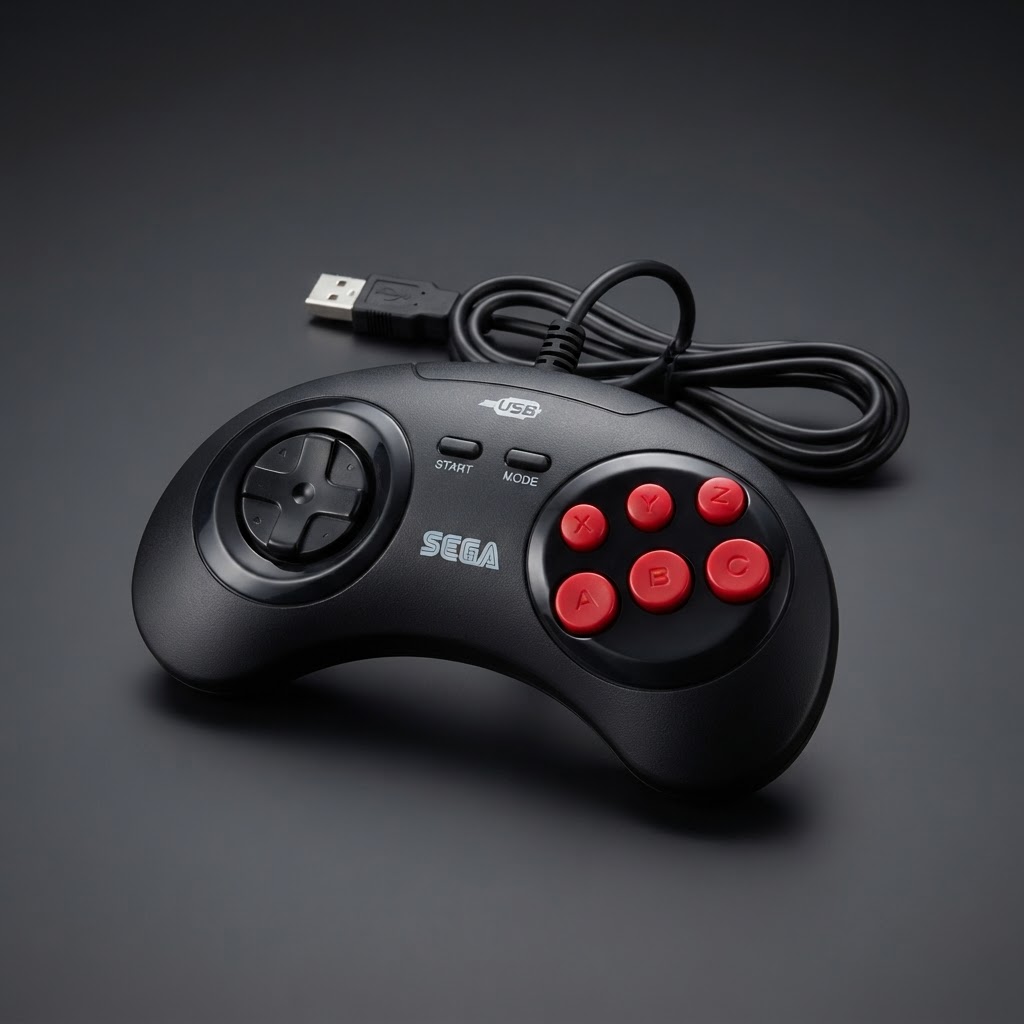
Sega Genesis / Mega Drive: EverDrive MD Pro
The EverDrive MD Pro supports the full Genesis/Mega Drive library plus Sega CD BIOS booting and Mega Drive 32X ROMs (with the add-on attached).
Common problems and fixes:
- Region lock errors: Many Japanese Mega Drive ROMs will refuse to boot on a US Genesis without a region patch or a region-unlock mod. The MD Pro's menu has a built-in region override option — enable it in settings before launching the ROM.
- Sega CD games not loading: You'll need a BIOS file placed in the correct
/MEGA/directory on your SD card. Use the US, EU, or JP BIOS matching your console's region for best compatibility. - Corrupted saves on power cycle: Like the N64, always navigate back to the EverDrive menu and wait for the save-write indicator before cutting power.
Universal Flash Cart Troubleshooting Checklist
Regardless of which system you're working with, these five steps solve the vast majority of flash cart headaches:
- Reformat your MicroSD to FAT32 with 32KB allocation units using a dedicated formatting tool — not your OS default.
- Update your flash cart firmware from the manufacturer's official page before troubleshooting anything else.
- Clean your cartridge slot with 99% isopropyl alcohol and a proper cleaning kit.
- Check your ROM file headers — some ROMs have incorrect headers that confuse flash cart OS files. Use tools like NSRT or ROM Detective to verify.
- Test with a known-good ROM (e.g., a popular first-party title) to rule out the cart itself before blaming the ROM file.
Setting Up the Perfect Flash Cart Gaming Session
Once your flash cart is dialed in, the experience is genuinely magical. To elevate it further:
- A Retro Arcade Joystick paired with your SNES or Genesis flash cart setup transforms fighting games and shmups into an arcade-perfect experience on original hardware.
- For marathon ROM-browsing sessions or LAN parties where controllers need juice, a Portable Controller Charger Power Bank keeps wireless controllers topped off without interrupting gameplay.
- Want to set the ultimate retro gaming atmosphere? Deck out your gaming space with a Retro Gaming Coasters Set — a small touch that makes the whole setup feel intentional and nostalgic.
Conclusion: Stop Struggling, Start Playing
Flash carts are the single best investment you can make for authentic retro gaming — but only when they're properly set up and maintained. The troubleshooting steps in this guide cover the root cause of 90% of issues reported in retro gaming communities. Format your SD correctly, keep your firmware current, and clean those connectors.
Ready to take your retro setup on the road or to a friend's house? Don't forget to grab a Gaming Console Backpack to keep everything protected and organized. Now go load up that ROM library — your original hardware is waiting.