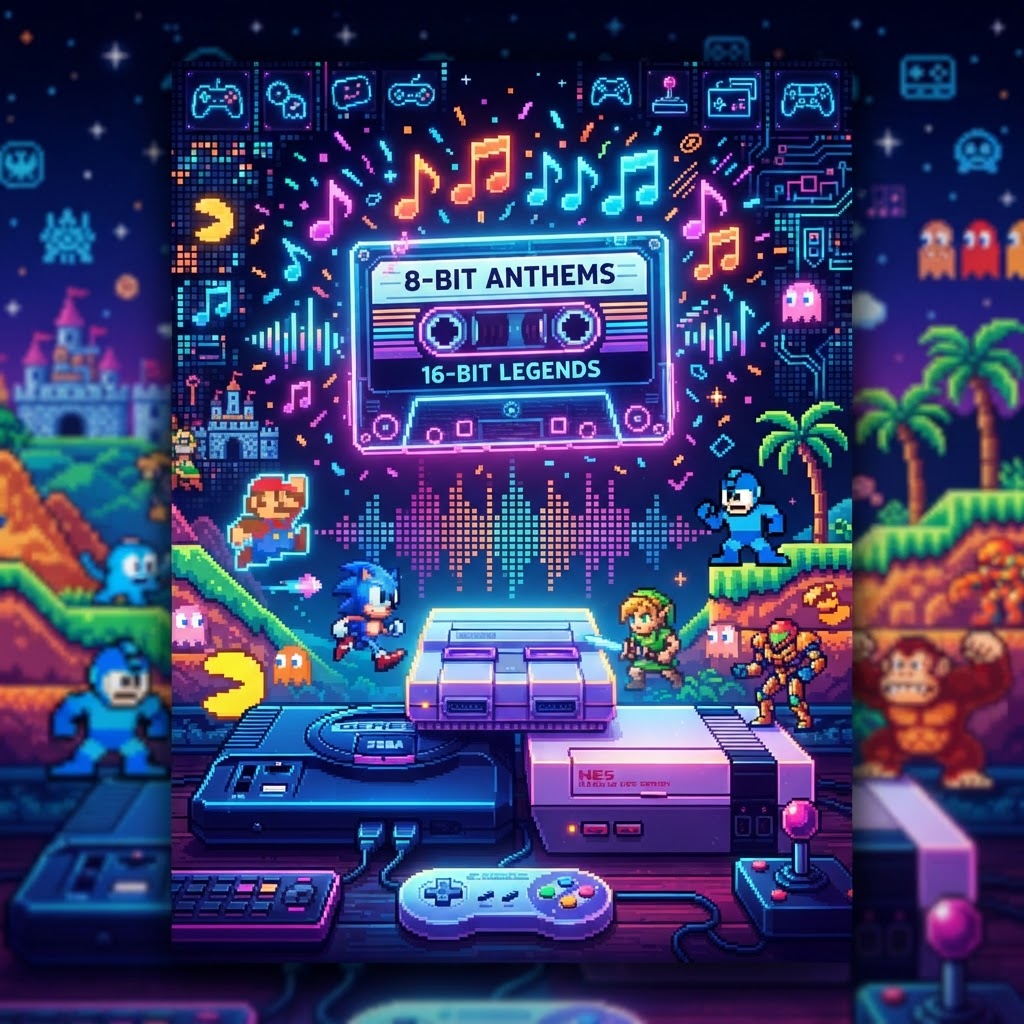
The Sound of Pixels: How Iconic Retro Soundtracks Defined a Generation
Beyond the high scores and 8-bit graphics, it was the melodies that etched themselves into our collective memory, turning simple circuits into timeless symphonies.
When we talk about the "defining sounds" of our childhood, our minds instinctively drift toward the familiar: the triumphant fanfare of Super Mario Bros. or the haunting, lonely whistle of Zelda. But if you dig deeper into the crates of gaming history, you find a subterranean world of composition that pushed hardware to its absolute limit, transforming blips and bloops into emotional masterpieces that shaped how we experience digital art today.
Beyond the Mainstream: The Unsung Heroes of 8-Bit Audio
While the blockbuster titles get the glory, the real innovation often came from smaller development teams who had to do more with less. Think of the driving, synth-heavy rock of Streets of Rage or the ethereal, experimental soundscapes of obscure Commodore 64 titles. These soundtracks weren’t just background noise; they were functional architecture.
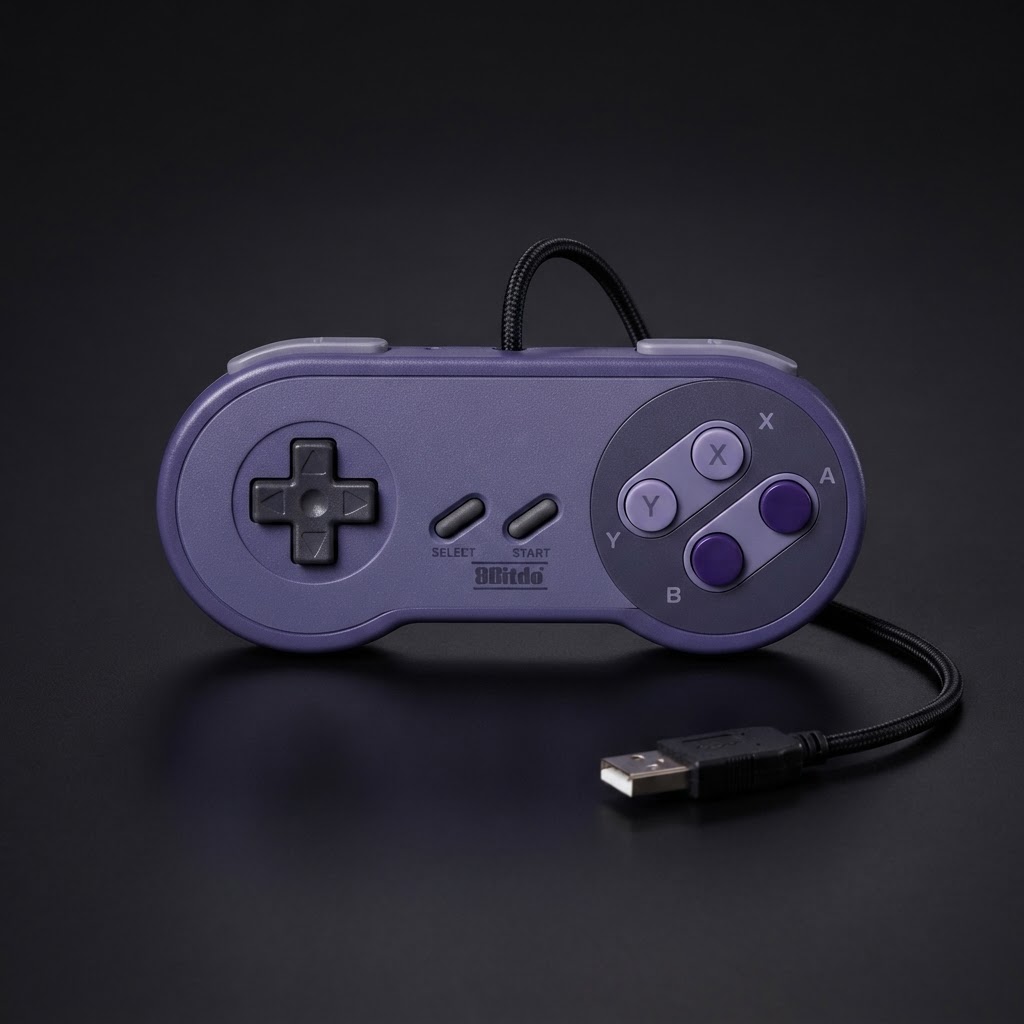
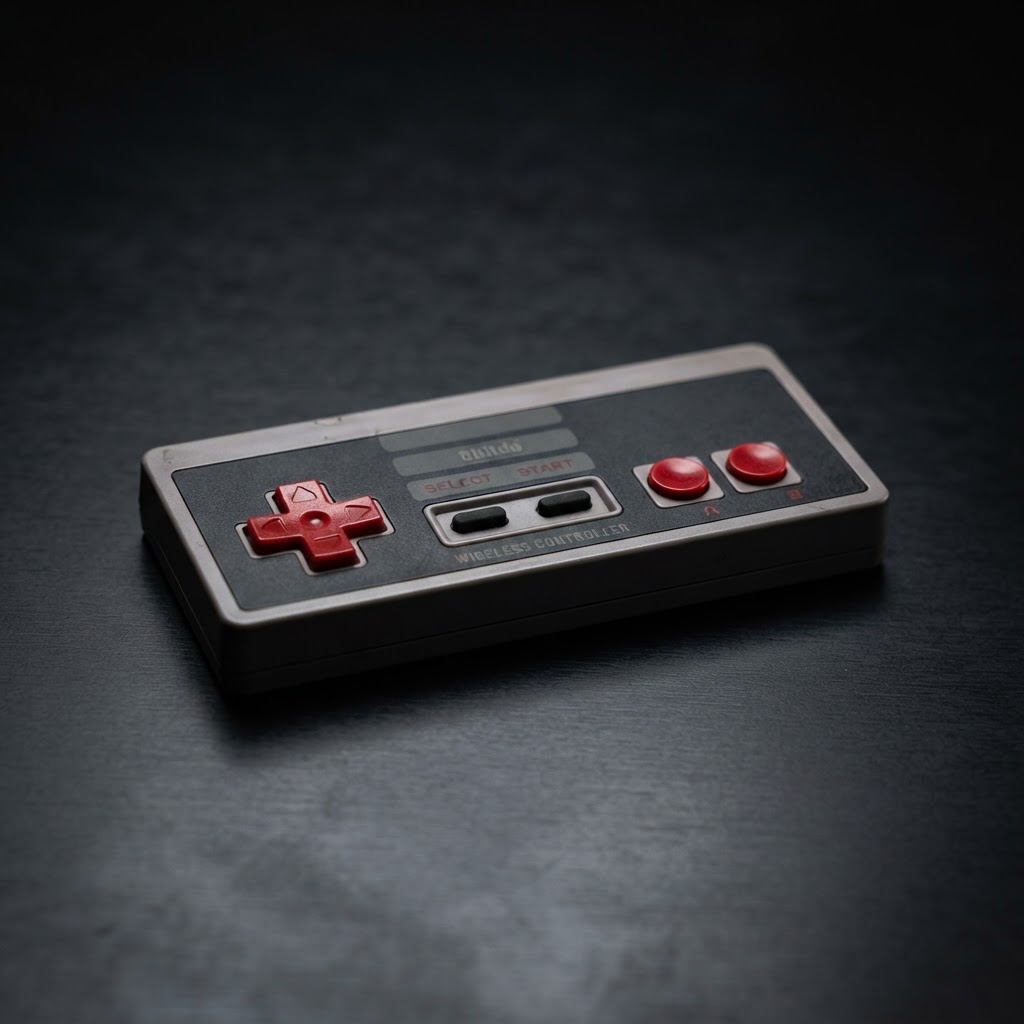
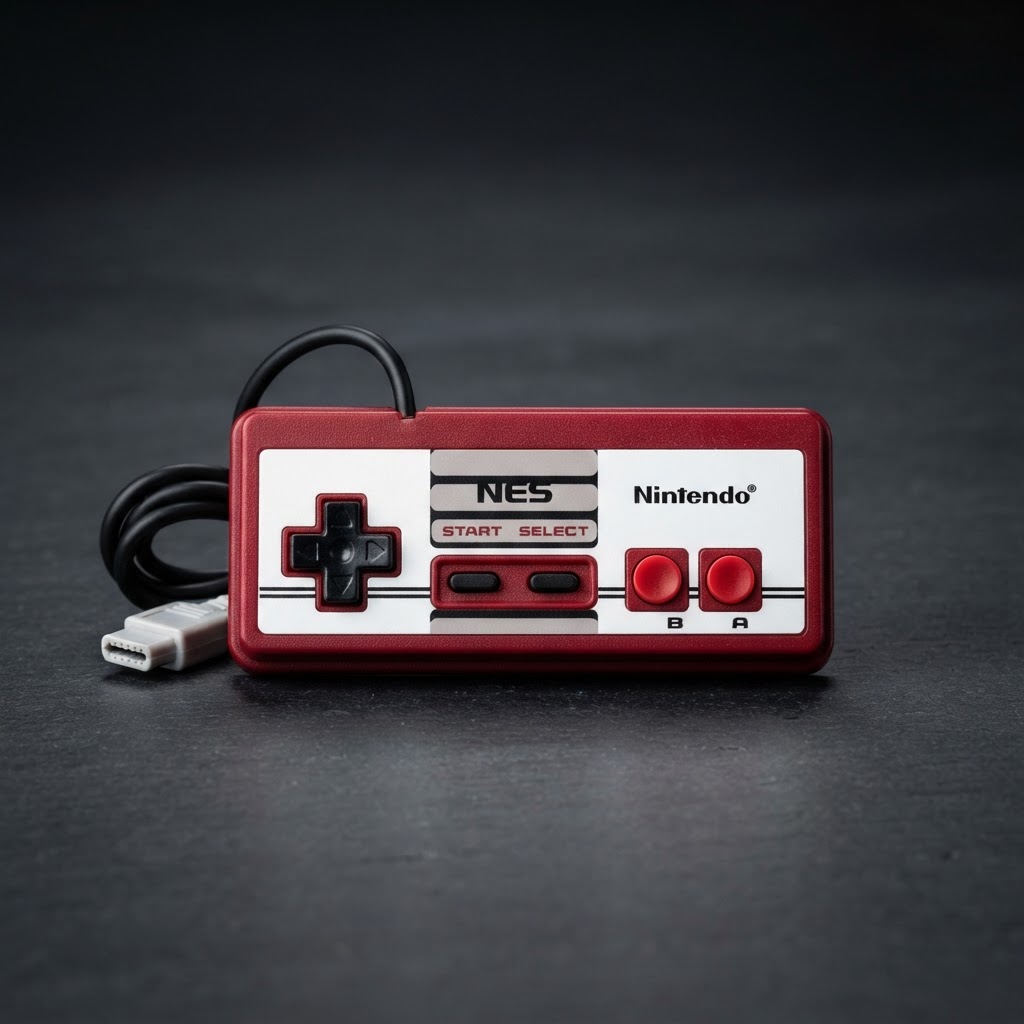
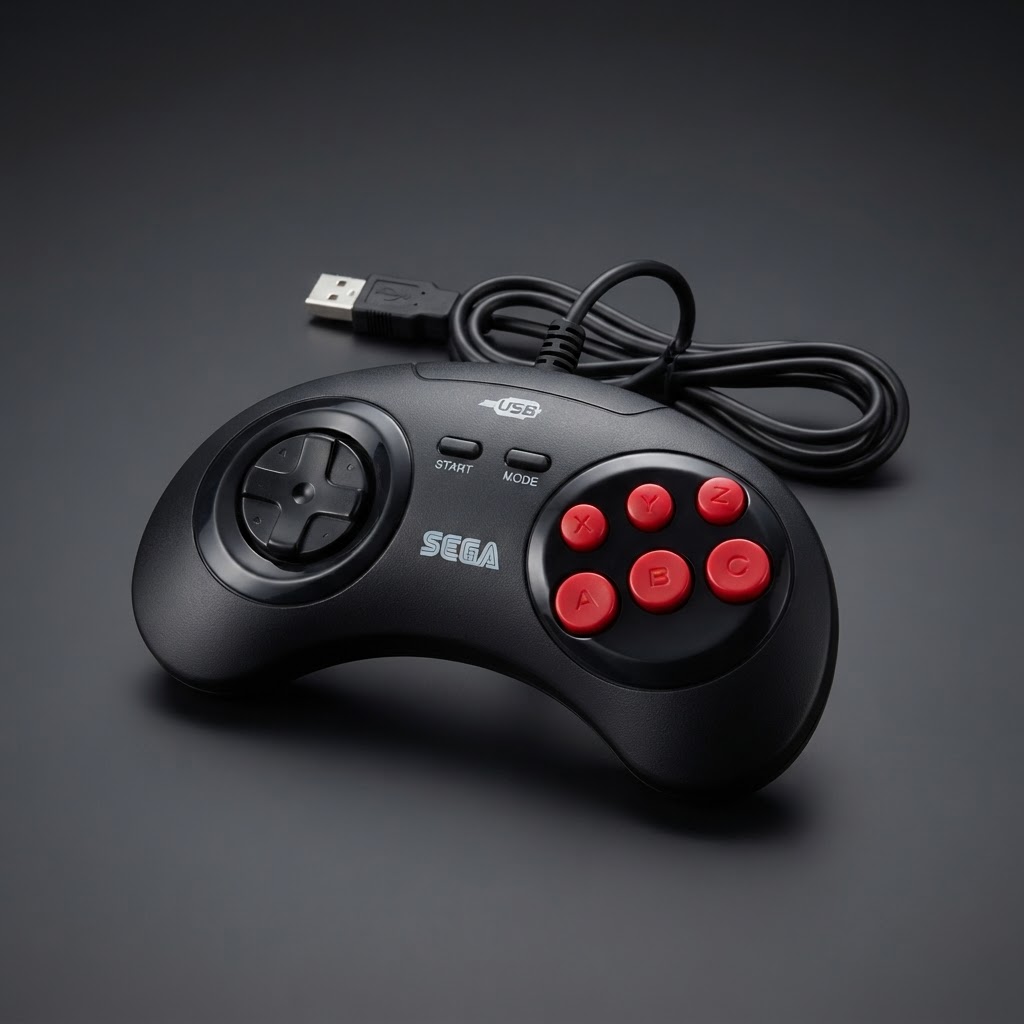
When you play these classics today, you want an authentic tactile experience to match that high-fidelity chiptune energy. If you are revisiting these sonic legends, I highly recommend upgrading your input method; there is no better way to feel the rhythm of a 16-bit beat-em-up than with a Hori Fighting Stick Arcade Controller, which brings the arcade precision back into your living room.
Why Chiptune Matters in the Modern Era
Why do we still obsess over 8-bit and 16-bit soundtracks? The answer lies in the limitations of the era. Composers like Koji Kondo and Yuzo Koshiro were essentially musical mathematicians. They had to create atmosphere using only a few channels of audio. This forced a level of melodic clarity that modern orchestral soundtracks sometimes lack.
Whether you’re hunting down these rare compositions on original hardware or using a PolyMega Modular Retro Console to run your physical library with modern output quality, the emotional impact remains unchanged. The music acts as a "sonic anchor," immediately pulling us back to a specific couch, a specific CRT television, and the feeling of endless summer vacation.
How to Curate Your Own Retro Audio Experience
If you’re looking to build a space that honors the legacy of these iconic soundtracks, it’s not just about the audio—it’s about the ambiance. You want your setup to look as vibrant as the music sounds. I always suggest setting the mood with a Retro Gaming LED Backlight Strip behind your monitor. The shifting colors can mimic the palette of your favorite retro game, creating an immersive cocoon that makes the music feel like it’s filling the entire room.
Frequently Asked Questions (FAQ)
What makes retro video game music "iconic"? It is defined by "earworm" melodies that were designed to loop indefinitely without becoming annoying. Because of memory limitations, composers relied on strong, hook-driven motifs that became synonymous with the game’s identity.
Are there indie games that carry the torch of retro sound design? Yes. Modern titles like Shovel Knight and Celeste are masterclasses in modernizing the 8-bit and 16-bit aesthetic, proving that the style is not a relic, but a living, breathing musical genre.
How can I listen to these soundtracks in high quality? Many original game composers have released "arranged" albums on vinyl and digital platforms. Additionally, fan-run communities often archive high-bitrate rips of original game audio that capture the nuances of the FM synthesis chips used in the 90s.
Bringing the History Home
There is something undeniably special about the marriage of technology and music from the late 20th century. It represents a time when developers were true pioneers, turning raw code into art that moved us to tears, pumped us up for a boss battle, or kept us humming for days.
If you are just beginning to curate your own vault of gaming history, start by investing in the gear that keeps your collection alive. Whether you’re restoring old hardware with a Console Screw Bit Repair Tool Set or looking for the perfect controller to master those boss-battle tracks, the goal is always the same: keep the legacy playing.
Ready to take your setup to the next level? Start by upgrading your control scheme with a Retro Arcade Joystick and see if you can finally beat those high scores that have been haunting you for thirty years.