Why Most "Retro Gaming Gear" Guides Miss the Mark
The internet is saturated with beginner-friendly retro gaming lists: "get an HDMI cable," "buy a Raspberry Pi," "pick up a USB controller." If you're reading this, you've graduated from that curriculum years ago. You understand that pixel-perfect output is a science, not a checkbox. You know that protecting and displaying your collection is as important as building it. And you're actively looking for gear that solves real problems — the kind that only surface after you've been collecting seriously for a while.
This guide is built for that version of you.
Video Output: The Detail That Defines Your Setup
Why S-Video Is Still the Collector's Secret Weapon
Among experienced collectors, the debate between RGB SCART, component, and composite never truly ends — but S-Video occupies a fascinating middle ground that's chronically underappreciated. For consoles like the Super Nintendo, Nintendo 64, PlayStation 1, and Sega Saturn (NA/PAL models), S-Video delivers a dramatically cleaner image than composite with far less infrastructure than a full RGB chain.
The real challenge in 2024 is bridging the gap between that analog signal and your modern display without introducing lag or degrading the image. A quality S-Video to HDMI Adapter is one of the most underrated investments a mid-to-advanced collector can make. The key is choosing one with genuine hardware upscaling rather than cheap passive conversion — look for units that specify low-latency processing and include proper chroma filtering. This single upgrade can breathe new life into a console you thought you'd already maximized.
Pro tip: Pair your adapter with a calibrated monitor rather than a consumer television for the most accurate output. Many collectors overlook display calibration entirely, and it's where serious setups truly diverge from casual ones.
The Collector's Workspace: Functional Meets Aesthetic
Cable Management as a Collector's Discipline
A collection with twelve consoles and twenty controllers doesn't just look chaotic without proper organization — it creates genuine wear risk on cables, connectors, and boards. Frequent cable tangling is one of the leading causes of connector damage on vintage hardware, and it's entirely preventable.
A comprehensive Gaming Desk Cable Management Kit isn't glamorous, but experienced collectors treat it as essential infrastructure. Look for kits that include both spine-style cable sleeves and adhesive routing clips — the combination allows you to route power and signal cables separately, which also reduces electromagnetic interference between analog video cables and power supplies. If you're running multiple consoles off a single desk or entertainment unit, this kind of separation is the difference between a pristine picture and mysterious image noise.
The Bartop Arcade: A Premium Display Piece That Actually Gets Used
Many collectors reach a point where they want a centerpiece — something that communicates the depth of their passion to anyone who walks in the room. A well-built Bartop Arcade Machine fills that role perfectly, and modern units have become sophisticated enough to satisfy discerning collectors.
The key differentiator to look for in 2024 is build quality and display accuracy. Premium bartop cabinets now feature proper joystick-and-button configurations using Sanwa or Seimitsu-grade components — the same brands used in original arcade hardware. Combined with a well-configured emulation backend, a quality bartop machine lets you run thousands of arcade ROMs with near-authentic input response. For a collector, it's not just a conversation piece; it's a functional tribute to the arcade era done right.
Protecting and Transporting Your Hardware
Why Serious Collectors Never Travel Light (or Unprotected)
The collector who goes to swap meets, retro gaming expos, or local gaming meetups faces a real logistical challenge: how do you transport vintage hardware without introducing the risk of physical damage, static discharge, or environmental exposure?
A dedicated Retro Console Travel Bag designed with foam-padded compartments and hard-shell or semi-rigid exteriors is worth every cent when you're traveling with a Neo Geo, a PC Engine, or a Sega Saturn worth several hundred dollars. Look for bags that include removable dividers — flexibility is critical when your cargo changes from trip to trip. Bonus: a proper travel bag signals seriousness at expos and often earns instant credibility with other collectors.
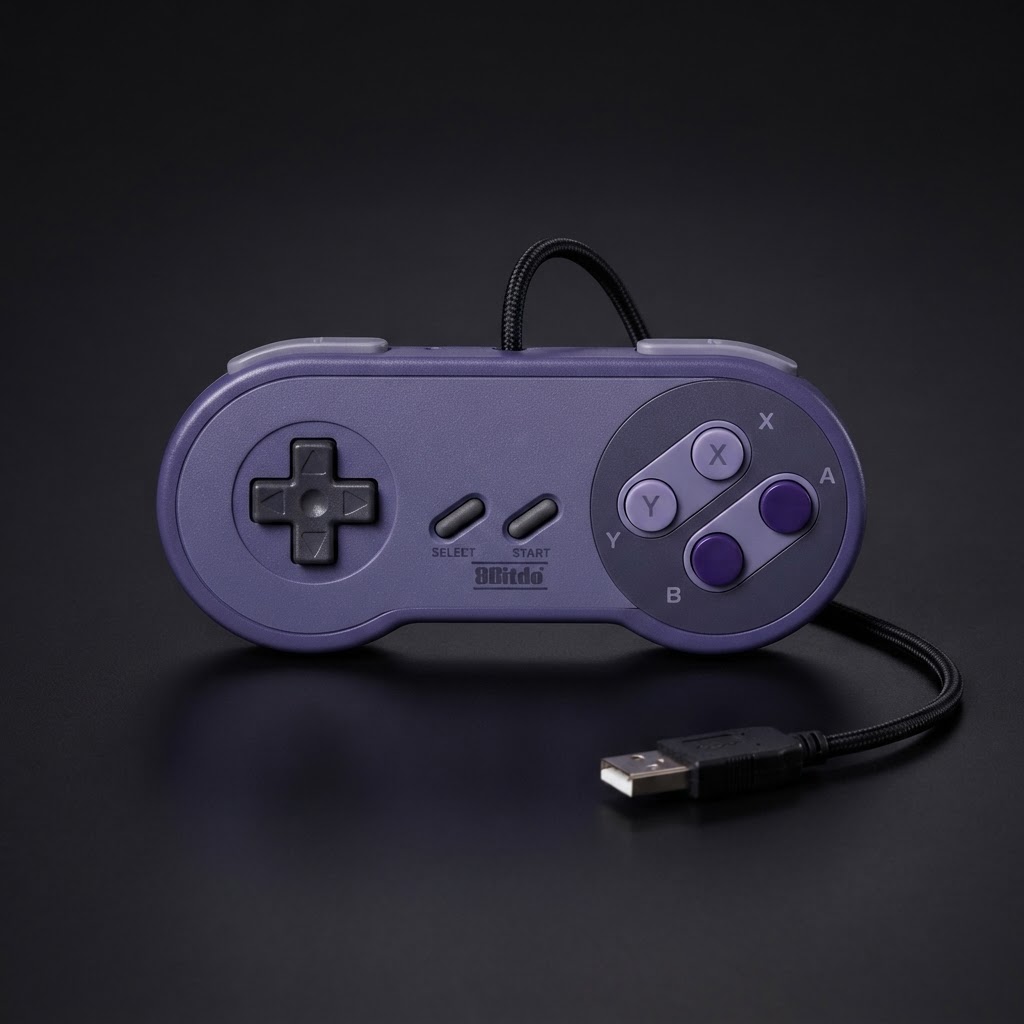
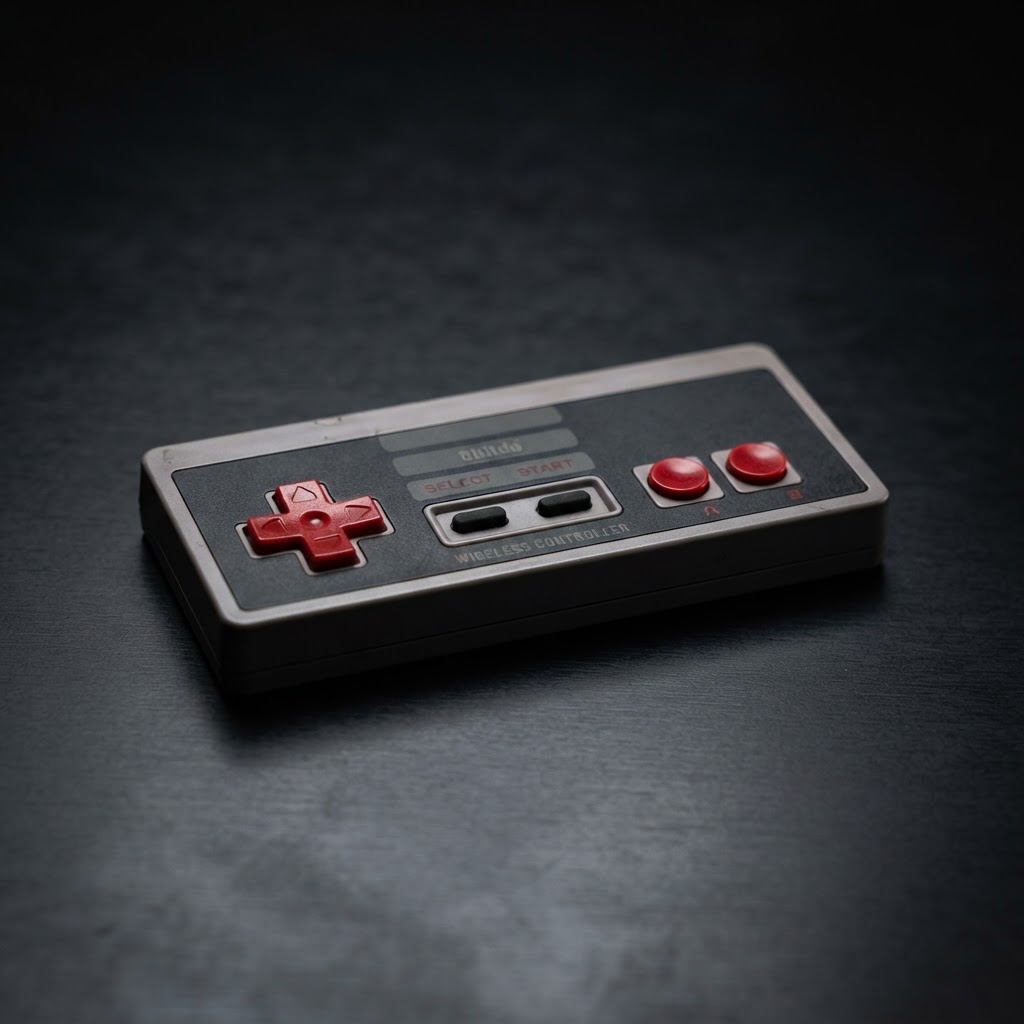
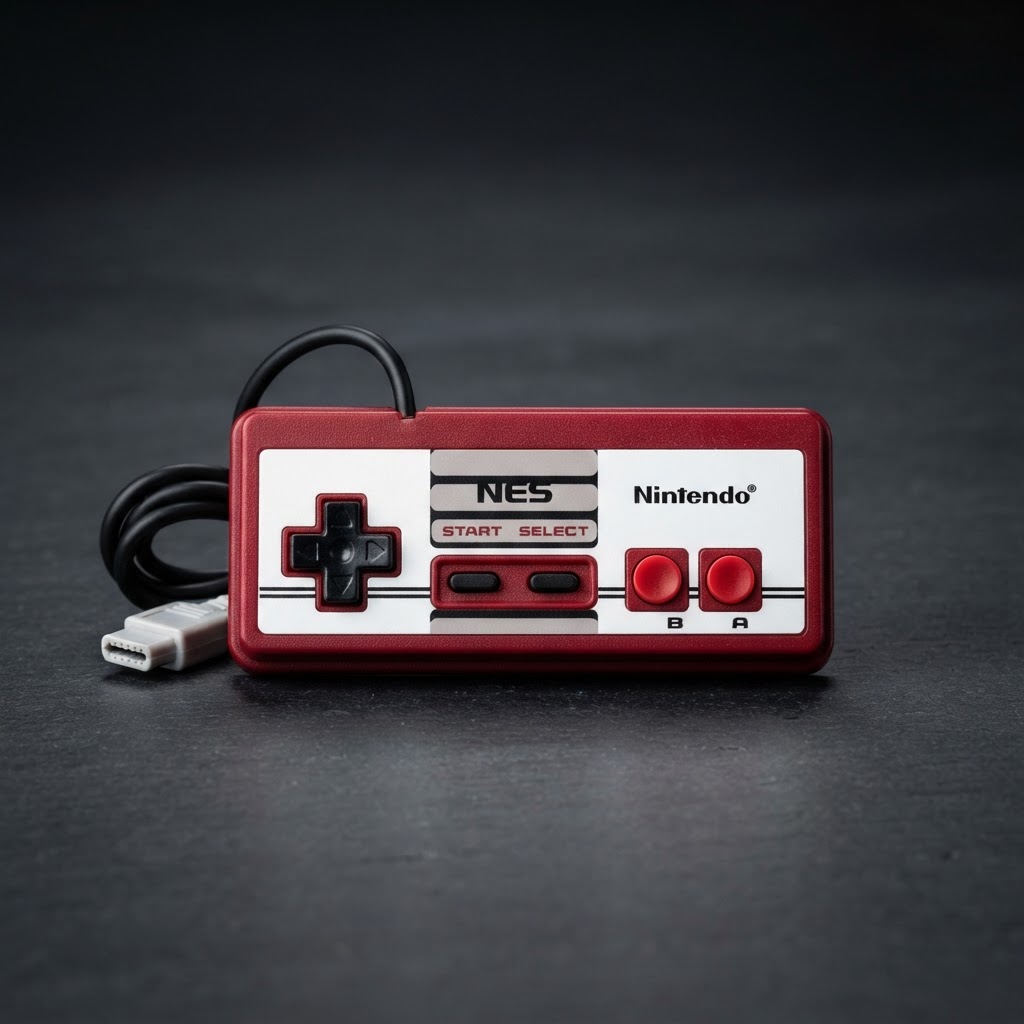
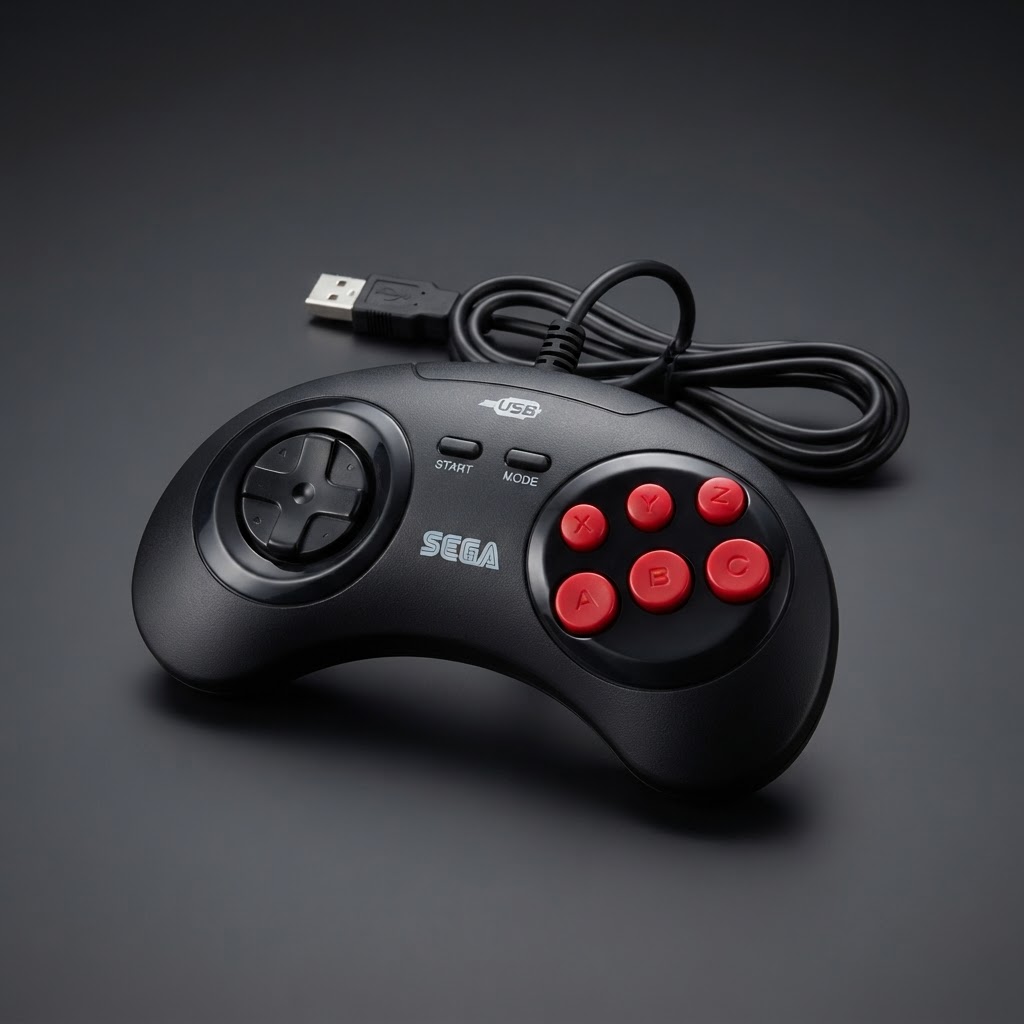
For controllers specifically, a quality Gamepad Carrying Case solves a problem most guides don't even mention: analog stick drift and button wear caused by loose transport. When joystick modules bang against hard surfaces in transit — even inside a bag — the internal pots experience micro-stress over time. A molded case that holds each controller securely isn't just about aesthetics; it's about preserving functionality over the long term.
The Peripheral That Signals You're Different: Retro Mechanical Keyboard
Bridging the Gap Between Retro Aesthetics and Modern Functionality
For collectors who also use a PC for emulation, game preservation work, ROM organization, or running platforms like MiSTer FPGA, the keyboard at your desk is a surprisingly personal statement. A Retro-Style Mechanical Keyboard with typewriter-style keycaps or arcade-themed colorways brings visual cohesion to a collector's workspace without sacrificing the tactile performance that serious users demand.
Beyond aesthetics, mechanical switches genuinely matter for extended use sessions — linear switches for fast input during gameplay, tactile switches for typing-heavy preservation or cataloging work. The best retro-style options feature PBT keycaps (which resist shine and wear far better than ABS) and hot-swap sockets, so you can tune the feel to your exact preferences. It's a small detail, but serious collectors notice it.
The Social Dimension: Community and Game Nights
Retro Gaming Isn't Just Solo
Even the most dedicated solo collector eventually wants to share the experience. Hosting game nights or introducing newcomers to classic titles is one of the most satisfying parts of collecting — and having the right tools makes it seamless.
A Retro Gaming Card Game might seem like a novelty, but for collection-themed gatherings, it's surprisingly effective at sparking deep conversations about game history, console generations, and personal memories. Look for titles that reward knowledge depth — the trivia-style formats that challenge players on release dates, hardware specs, and franchise history are the ones that experienced collectors genuinely enjoy (and consistently win).
Conclusion: Build the Setup That Reflects Your Level
Casual collectors buy what's convenient. Serious collectors engineer their setup with intention — every cable route, every protective case, every display decision made deliberately. The gear in this guide isn't about showing off; it's about matching the quality of your equipment to the quality of your collection.
Start with the signal chain: a reliable S-Video to HDMI Adapter will immediately elevate your output quality on consoles you're already using. Then build outward — protect your hardware, organize your workspace, and equip yourself for the experiences, both solo and social, that make collecting worthwhile.
Your collection deserves a setup that's just as serious as you are.