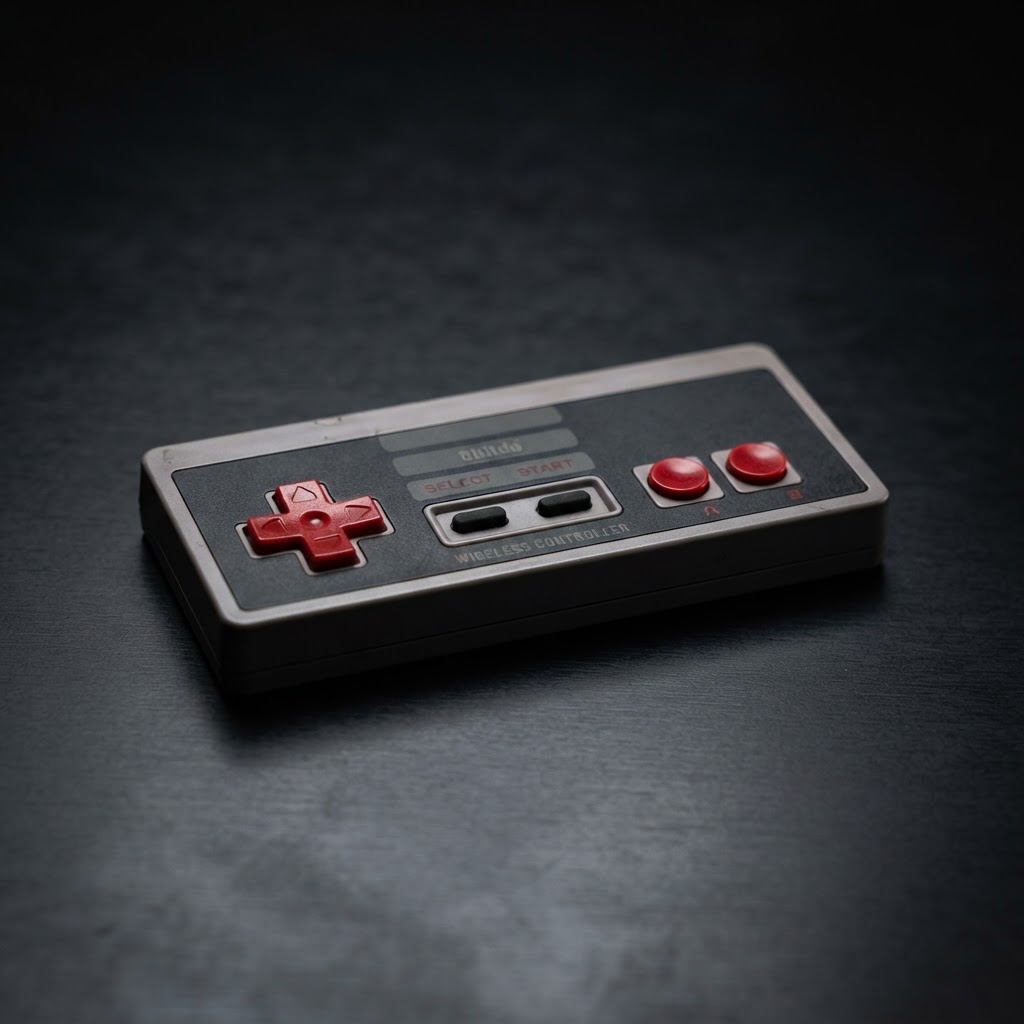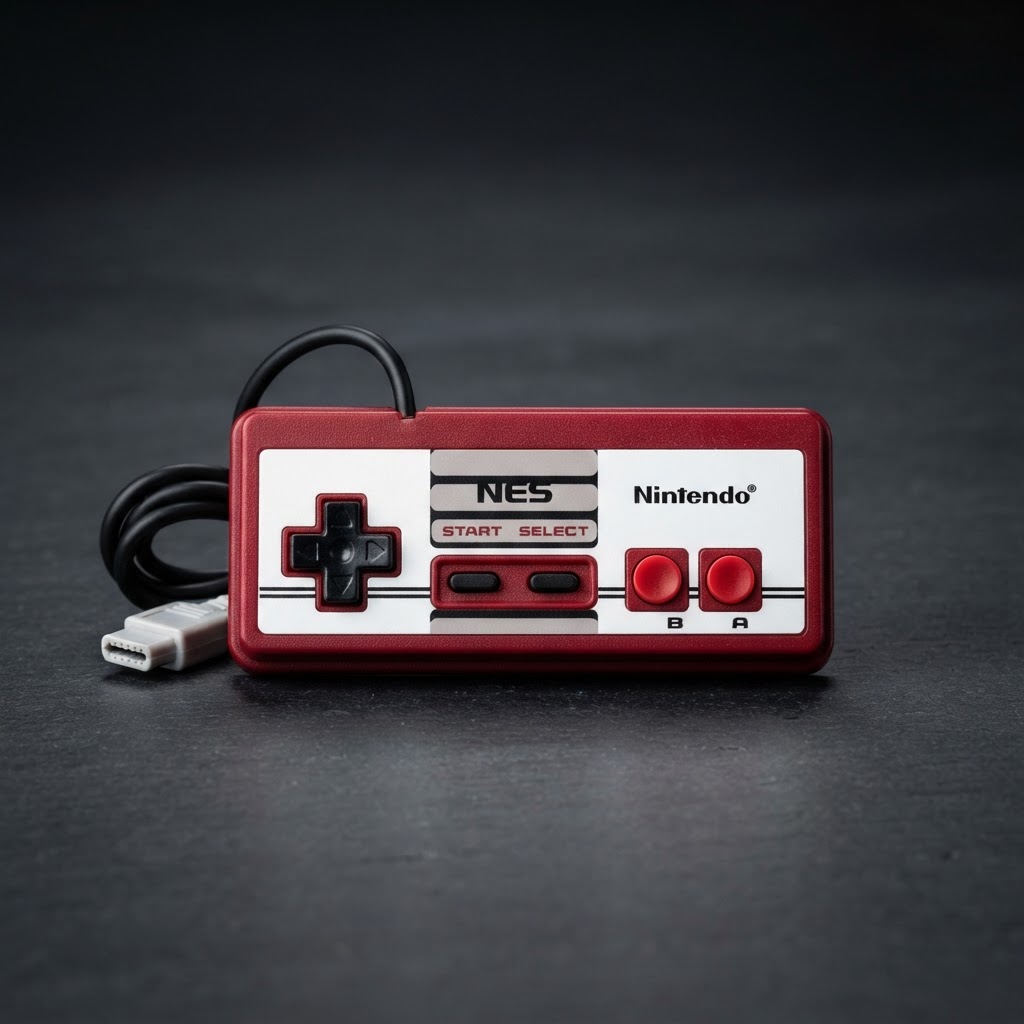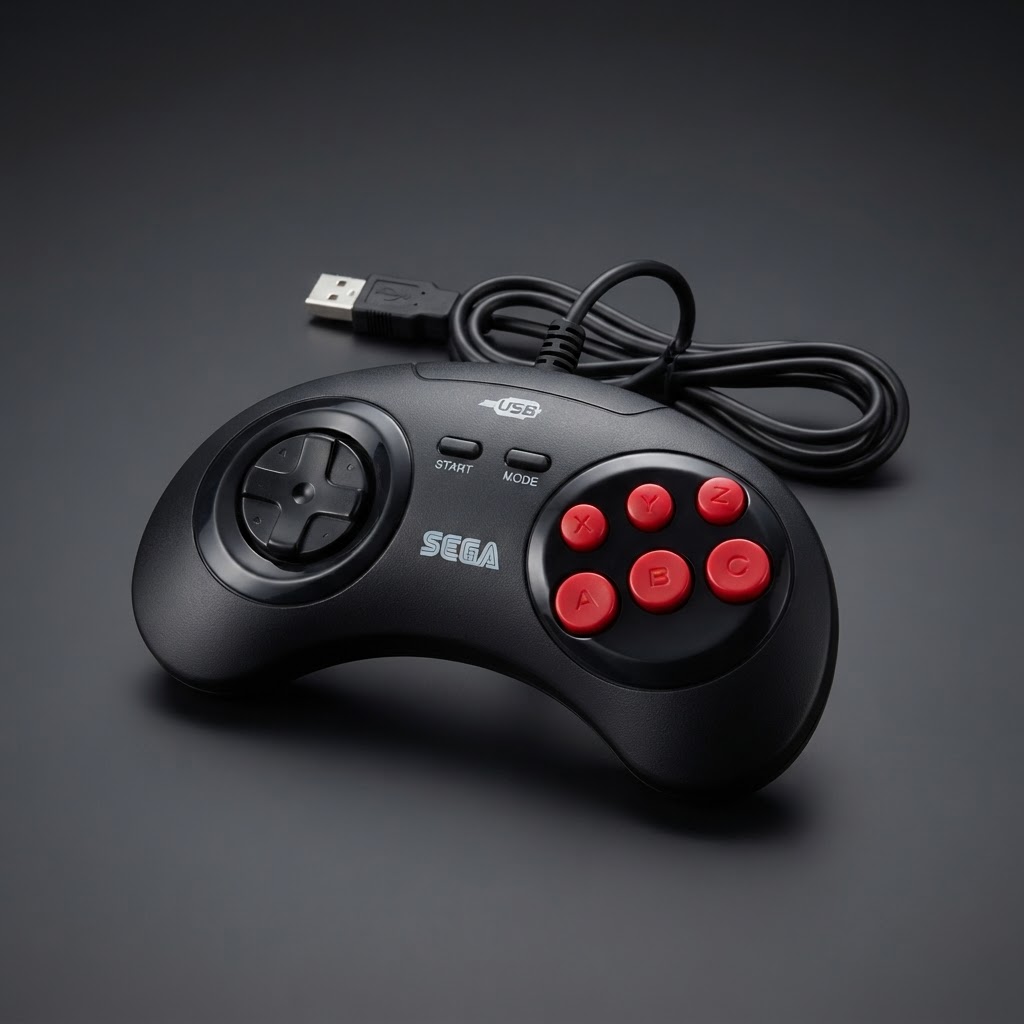
If you grew up in the 80s or 90s, you remember the "Save Anxiety." You’ve just spent three hours navigating the labyrinthine dungeons of The Legend of Zelda, and your mom is calling you for dinner. Back then, there was no "Auto-Save" to catch you. You were either hunting for a rare save room, praying your console didn't freeze, or frantically scribbling down a 30-character password.
The evolution of save systems isn't just a technical history; it’s a story of how our relationship with time and challenge changed. But for those of us still hooked on the classics, maintaining that history requires more than just nostalgia—it requires the right gear to keep our old hardware running without breaking the bank.
The Era of the Brutal Password
Before internal batteries and memory cards, we had passwords. Games like Metroid or Kid Icarus forced players to record complex strings of letters and numbers. One misplaced "O" instead of a "0" meant losing weeks of progress.
Because these games were so punishing, keeping track of your progress often meant keeping a dedicated notebook. If you’re a collector today looking to document your own journey through the classics, grabbing a Classic Games Collector Reference Book is a great, budget-friendly way to log your high scores and save states without relying on digital ghosts that might disappear.
The Battery-Backed Cartridge Revolution
The mid-90s brought us the holy grail: the internal battery. Games like A Link to the Past allowed us to save directly to the cartridge. It felt like magic, but as many of us discovered years later, these batteries eventually dry up.
When you buy a used copy of an old favorite, the first thing you should do is check the board. If the save isn't holding, you don't need a new game—you need a basic Retro Console Restoration Tool Kit. Opening the cartridge and replacing a CR2032 battery is a rite of passage for the modern collector and costs pennies compared to buying a "new" copy of the game.
Cleaning: The Secret to Saving Progress
One of the most common reasons a game fails to "save" isn't the battery—it’s the gunk on the pins. If your cartridge is dirty, the console can’t write the data correctly. Before you declare your save file corrupted, give your collection some TLC.
Using a bit of Isopropyl Alcohol Contact Cleaner on a cotton swab is the industry-standard way to ensure that your saves actually stick. It’s a low-cost maintenance habit that preserves your games for another thirty years.
Memory Cards and the Modern Shift
The PlayStation era introduced the dedicated memory card, moving the save burden from the game to the console. This solved the "dying battery" issue but introduced the "lost card" nightmare.
Today, we take cloud saves for granted. We’ve moved from writing down passwords on napkins to having our progress synced across the globe. However, there is something uniquely satisfying about the tactile experience of a physical save. It’s why many of us still prefer to display our original hardware rather than relying solely on emulators.
To keep your physical setup organized, consider a Gaming Console Shelf Riser. It keeps your consoles ventilated and makes your retro corner look like a professional museum, all while keeping your setup budget-friendly and compact.
Why We Still Love the "Old Way"
Why bother with physical carts, aging batteries, and console maintenance when you can play anything on a phone? Because the evolution of save systems taught us to value the journey. When you have to earn your save point—or fix the hardware yourself—you appreciate the victory that much more.
If you're looking to bridge the gap between classic mechanics and modern convenience, don't forget to keep your space inspired. Once your consoles are set up and your save batteries are fresh, you can add some personality to your gaming room with some Retro Gaming Wall Decals to tie the aesthetic together.
The history of save systems is the history of gaming persistence. Whether you are using a password, a battery, or a modern cloud backup, the goal remains the same: beating the boss, seeing the credits roll, and knowing you earned every second of it.
Ready to get your retro setup in order? Start by grabbing the essential Retro Console Restoration Tool Kit and give your cartridges the life they deserve.