A Revolutionary Entrance
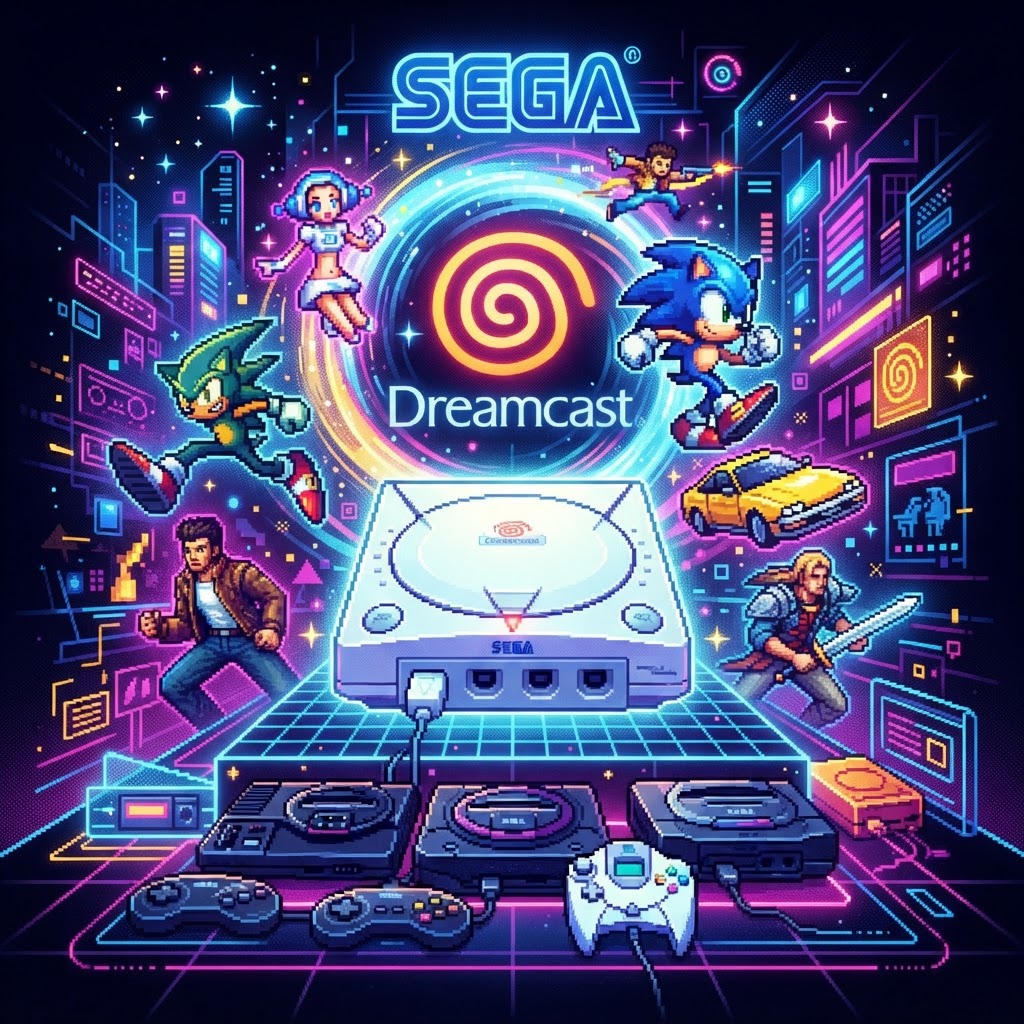
When the Dreamcast launched in North America on September 9, 1999 (9/9/99), it felt like we had jumped five years into the future. It was the first console to feature a built-in 56k modem for online play, bringing titles like Phantasy Star Online to living rooms long before broadband was the standard. Its graphical leap over the PlayStation and N64 was staggering, offering arcade-perfect experiences like SoulCalibur and Crazy Taxi that made every other console look like a relic.
For those of us lucky enough to own one, the Dreamcast wasn't just a gaming machine; it was an arcade experience at home. To get the best out of those 480p visuals on a modern television, you’ll definitely want to use a Component to HDMI Converter to ensure your connection remains crisp and clear.
The Factors Behind the Fall
Despite its innovation, the Dreamcast’s lifespan was tragically short. By March 2001, Sega announced they were discontinuing the hardware to focus solely on software. Why?
- The PlayStation 2 Shadow: Sony’s marketing machine for the PS2 was unstoppable. By promising a DVD player and backward compatibility, Sony convinced consumers to wait for their platform, effectively stalling Dreamcast sales.
- The Lack of Third-Party Support: Big names like Electronic Arts refused to develop for the Dreamcast, citing concerns over Sega’s recent history with the Saturn.
- Piracy: The console’s reliance on the GD-ROM format, combined with a flaw that allowed it to read standard CD-Rs, meant that users could pirate games with alarming ease, cratering software revenue.
Why We Still Love the Dreamcast
History has been kind to the Dreamcast. What was once seen as a commercial bomb is now viewed as an avant-garde masterpiece. It was a playground for risk-takers—where else would you find quirky, genre-defining hits like Seaman, Jet Set Radio, and Shenmue?
Keeping a vintage system running today requires a bit of maintenance. Because the console generates significant heat during long sessions of Sonic Adventure 2, installing a Retro Console Cooling Fan can help keep your hardware healthy for years to come.
The Lasting Legacy
Sega’s decision to exit the hardware race didn't mean the end of the "Dreamcast spirit." The console popularized the concept of "console online gaming," refined the analog stick experience with the VMU (Visual Memory Unit), and pushed for high-fidelity audio that defined the era.
If you are currently setting up a dedicated retro gaming corner to celebrate the glory of the 128-bit era, you should consider adding a Neon LED Arcade Marquee Sign to capture that original "arcade at home" vibe. It’s the perfect way to pay homage to the console that was truly ahead of its time.
Conclusion: Keep the Dream Alive
The Dreamcast was a victim of bad timing and cutthroat competition, but it was never a victim of poor design. It offered a level of ambition that modern consoles still strive to emulate. Whether you are replaying Grandia II or discovering Rez for the first time, the console continues to prove that Sega was the king of creative risk.
Are you ready to optimize your retro setup? If you want to dive back into the classics with the best possible setup, make sure you grab a Component to HDMI Converter and start playing the way Sega intended!