 BACK TO ARCHIVES
Console History
THE GAME BOY: HOW PORTABLE GAMING CONQUERED THE WORLD
BY STAFF
3 MIN READ
July 1, 2026
It had a green screen, four batteries, and a Tetris cartridge. It outsold every superior competitor for 15 years. Here's how.
AFFILIATE DISCLOSURE: RetroGamingVault is a participant in the Amazon Services LLC Associates Program. As an Amazon Associate we earn from qualifying purchases. Links below are affiliate links — buying through them costs you nothing extra and helps keep this site free.
ADVERTISEMENT
SHOP RETRO GAMES & CONSOLES ON AMAZON
CLASSIC CARTRIDGES · CONSOLES · COLLECTIBLES
ADVERTISEMENT
Game BoyHandheldNintendoPokémon
// READ PROGRESS
0% COMPLETE
3 min total
~3 min remaining
// MORE FROM THE CODEX
Buying GuideBest CRT Alternatives for Authentic Retro Gaming: Modern Recreations vs. Original Vintage HardwareConsole HistoryFriday Night at Blockbuster: How Video Game Rentals Defined a GenerationCollector TipsHow to Replace a Game Cartridge Save Battery (And Why Small-Batch Supplies Beat Big-Box Options)
SHOP CONSOLE ACCESSORIES ON AMAZON
HDMI ADAPTERS · CABLES · UPSCALERS — SHIP FAST
// CURATED GEAR
RETRO GAMING GEAR
Hand-picked controllers, adapters and accessories for classic console collectors.
AFFILIATE DISCLOSURE: RetroGamingVault is a participant in the Amazon Services LLC Associates Program. As an Amazon Associate we earn from qualifying purchases. Links below are affiliate links — buying through them costs you nothing extra and helps keep this site free.
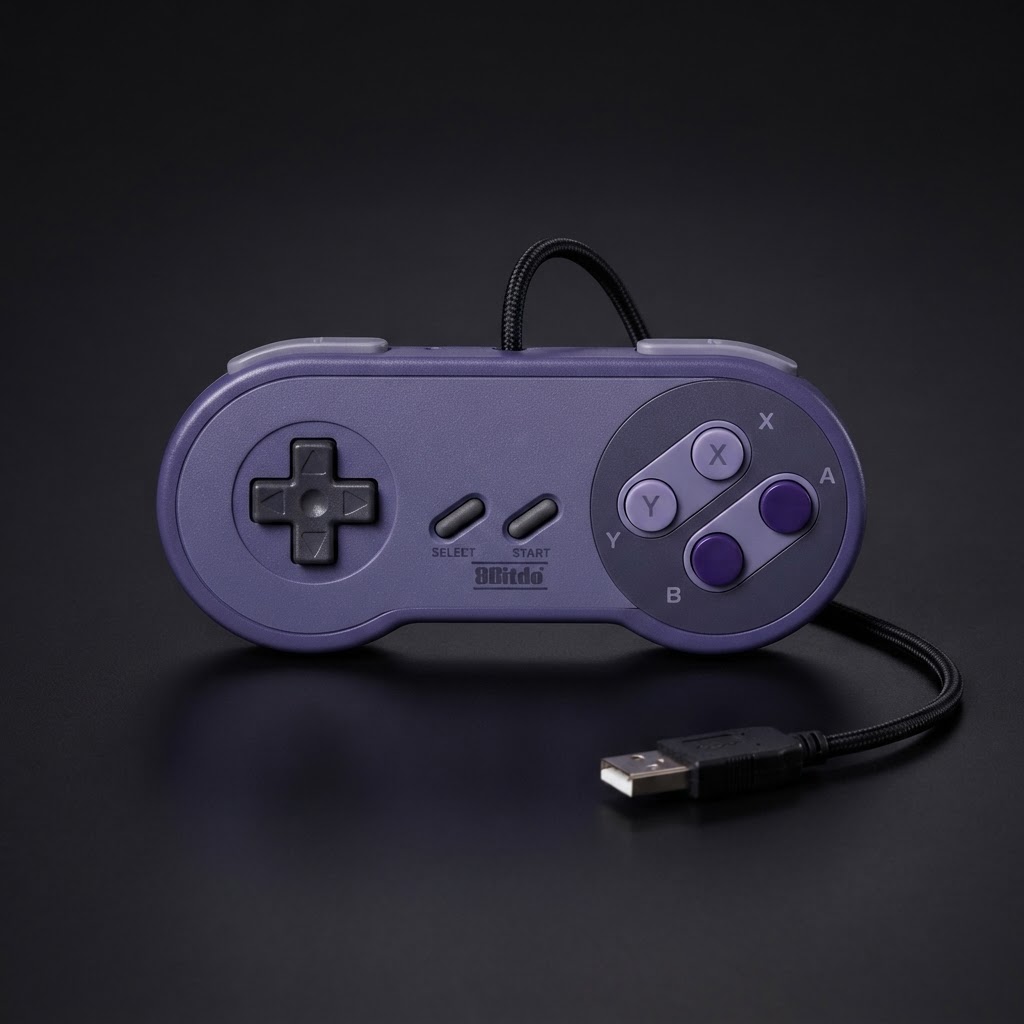
Controllers
Classic SNES-Style USB Controller
Plug-and-play USB controller with the classic SNES layout — works great with retro emulation and PC.
SHOP ON AMAZON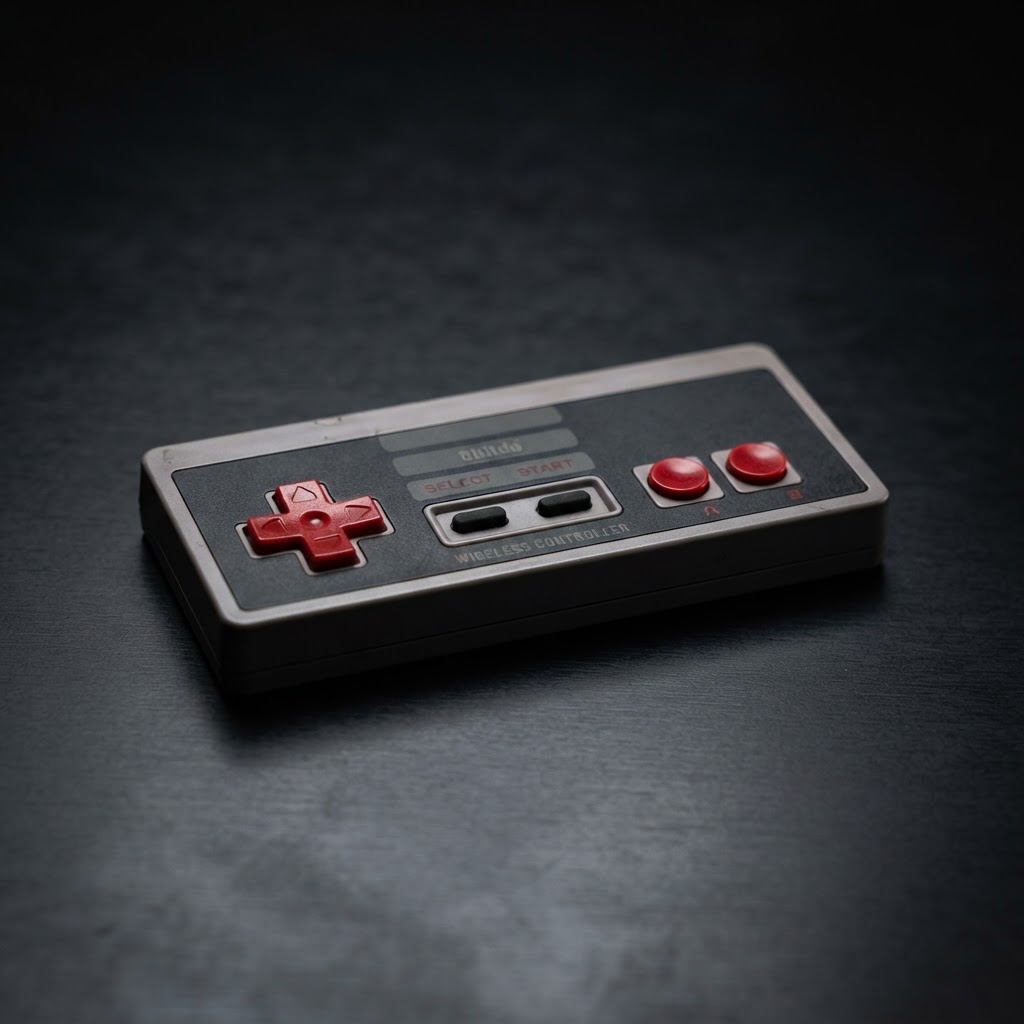
Controllers
Wireless Retro Bluetooth Controller
Cut the cord — a Bluetooth retro-style controller for consoles, PC, and mobile.
SHOP ON AMAZON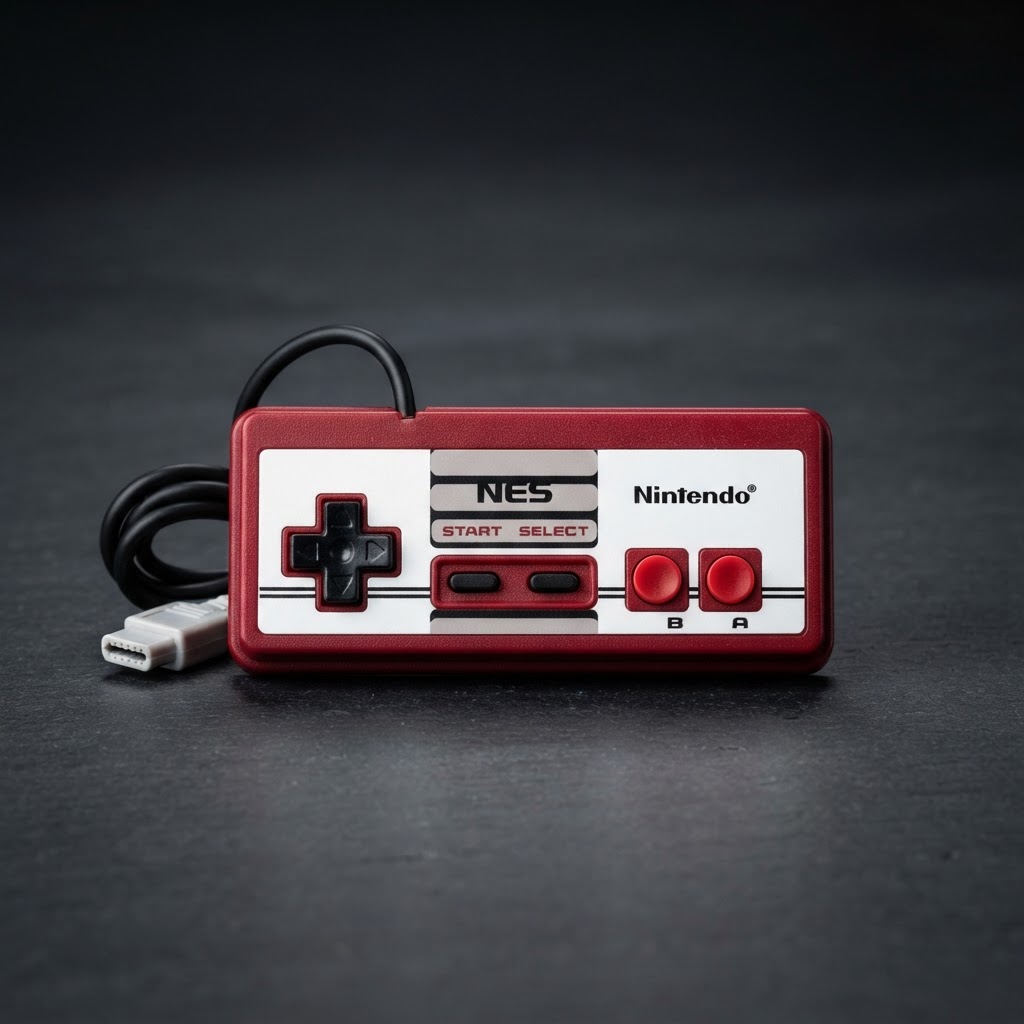
Controllers
NES Mini Classic Controller
Authentic mini replica of the original NES controller — nostalgic feel, modern connector.
SHOP ON AMAZON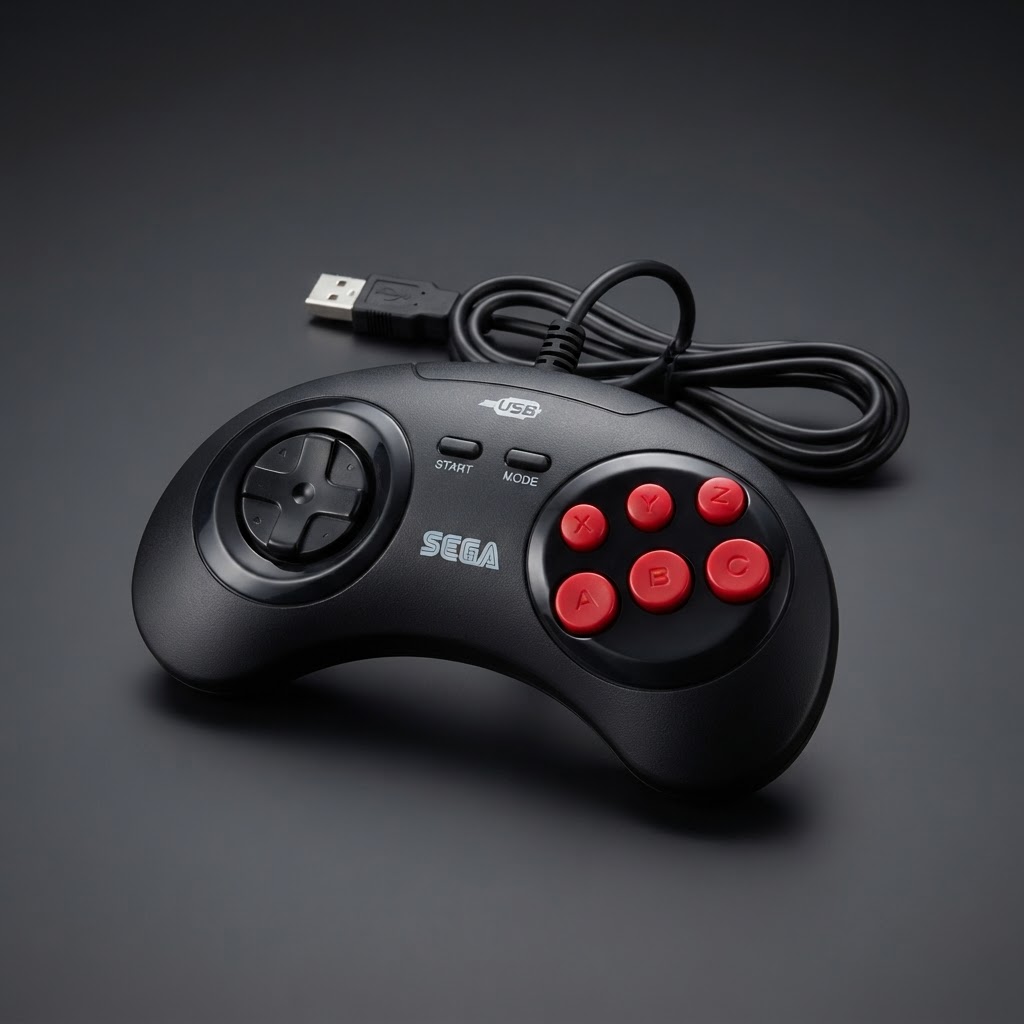
Controllers
Sega Genesis Style USB Controller
Six-button Genesis-style pad for classic Sega titles on PC or console emulation.
SHOP ON AMAZONSHOP RETRO GAMING GEAR ON AMAZON
CONSOLES · CONTROLLERS · ACCESSORIES — DELIVERED FAST