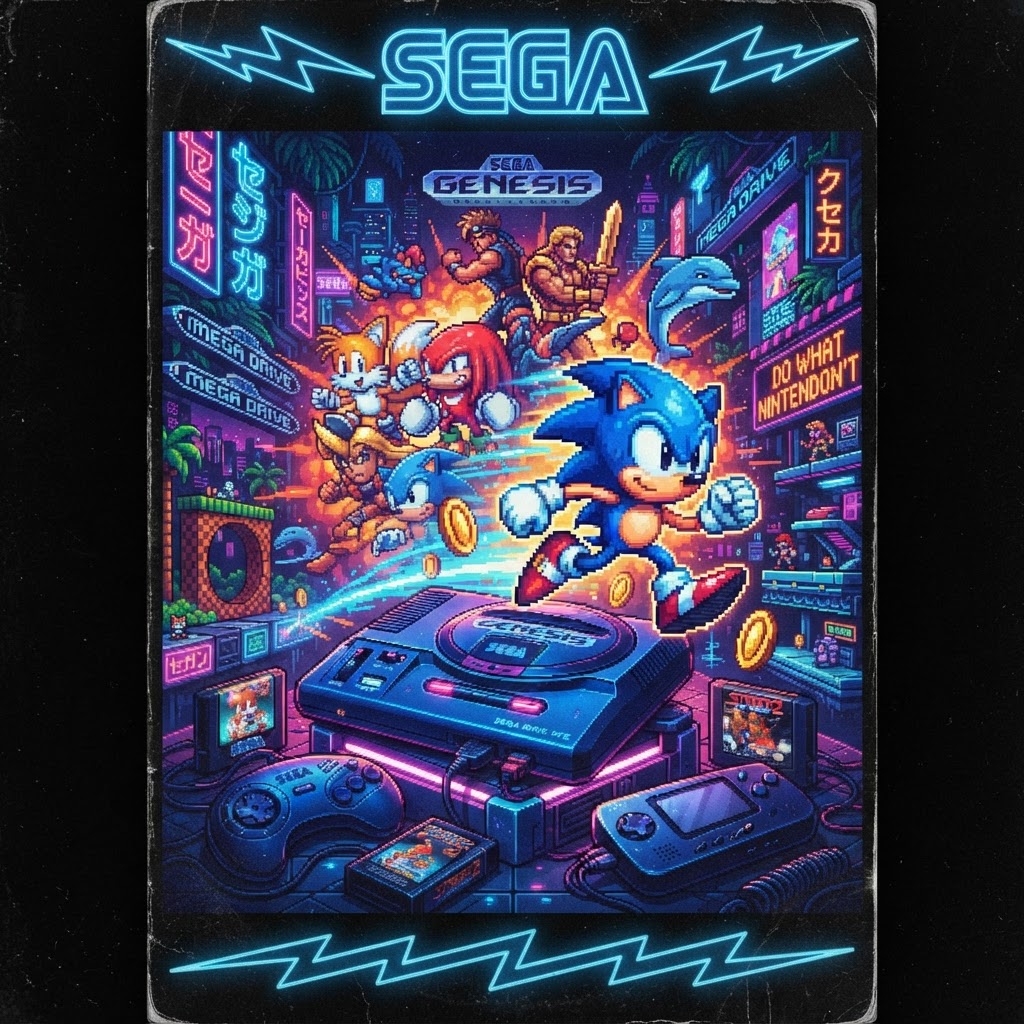
The Challenger
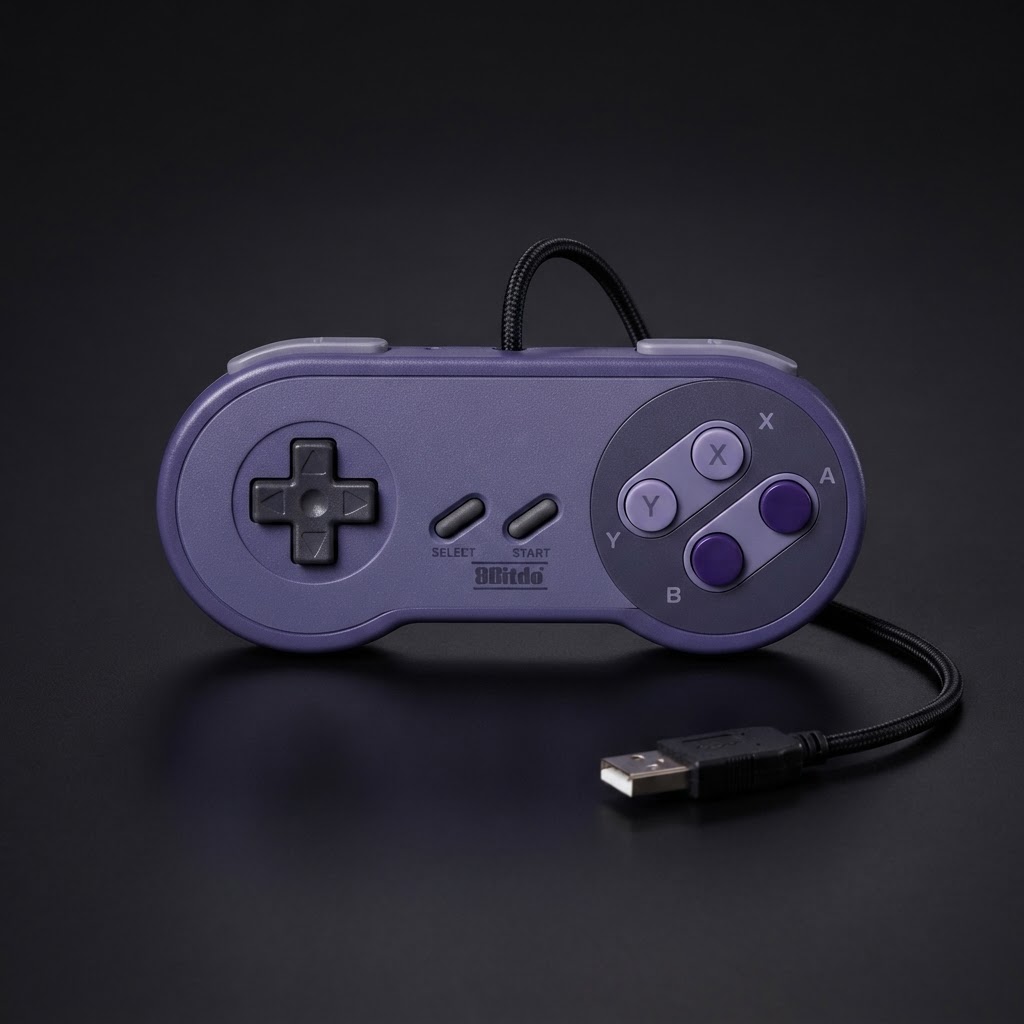
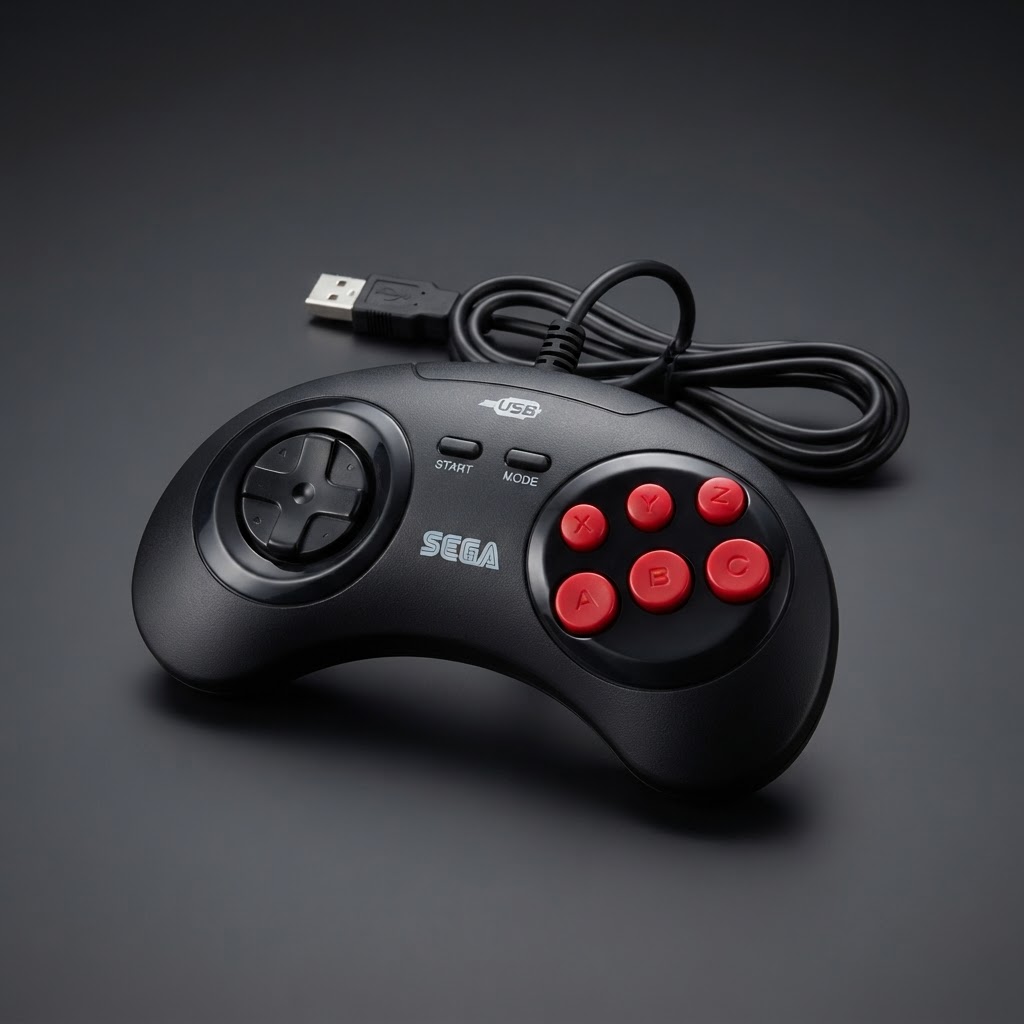
In the late 1980s, Nintendo had a near-monopoly on the console market. Sega, a former arcade giant, decided to challenge them. The result was the Sega Genesis — launched in 1989 in North America, a full two years before the SNES. If you want to experience these classic titles on a modern PC or emulator, picking up a Sega Genesis Style USB Controller is essential for that authentic feel.
That head start mattered. Sega established itself as the 'cool' console. The marketing was aggressive, the games were fast, and Sonic the Hedgehog gave them a mascot that could stand toe-to-toe with Mario.
The Genesis Era
The Genesis library was built on speed, attitude, and arcade ports. Sega's arcade heritage meant the Genesis got faithful versions of games like Streets of Rage, Golden Axe, and Shinobi. To truly master these arcade classics, many fans prefer the precision of a Retro Arcade Joystick over a standard gamepad.
Third-party developers flocked to Sega. EA Sports built its empire on the Genesis with John Madden Football. Capcom, Konami, and others brought their best titles to both platforms.
The Add-Ons
Sega's downfall began with add-ons. The Sega CD (1992) promised CD-quality games but delivered mostly FMV trash. The 32X (1994) was a confusing half-console that fragmented the market. These add-ons confused consumers and eroded trust, making it difficult to keep your retro setup organized today.
The Saturn
The Sega Saturn launched in 1995 to mixed reception. It was powerful but difficult to program for, and Sega's surprise early launch alienated retailers. Despite its commercial failure, the Saturn's library is incredible: Nights into Dreams, Panzer Dragoon Saga, Guardian Heroes, Radiant Silvergun.
The Dreamcast
The Dreamcast (1999) was Sega's last console and arguably their best. It was the first console with a built-in modem for online play. It had an incredible launch lineup. It introduced the VMU — a memory card with its own screen. But the PS2 was coming, and retailers and consumers waited. The Dreamcast sold well but not well enough. Sega discontinued it in 2001 and exited the hardware business entirely.
The Legacy
Sega's console era lasted only 12 years (1989–2001), but the impact was enormous. They pushed Nintendo to be better. They pioneered online console gaming. They took risks that no other manufacturer would.
Collecting Sega Today
Genesis collecting is the most affordable retro collecting after Atari. The library is huge and much of it is undervalued. If you are dusting off your original hardware, remember to grab a Game Cartridge Cleaning Kit to keep those pins working properly. To get the best picture quality out of your original consoles on modern screens, you should also invest in a Retro Console HDMI Converter. Dreamcast collecting is growing fast — the console has a cult following and the library is small but excellent.
Ready to get back into the Sega lifestyle? Whether you are emulating or playing on original hardware, don't forget to grab a Sega Genesis Style USB Controller and start your collection today!